Neo-Romantic Landscape · 1944
Ardrossan (Stephenas Bone'As, 1944)
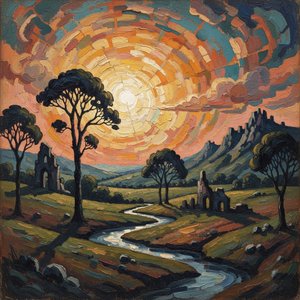
Stephenas Bone'As (1904–1958) sukūrė Ardrossan. Šis kūrinys datuojamas 1944 m. Šis kūrinys priklaulo Neo-Romantic Landscape kieruliui. Pagaminta naudojant Oil On Canvas. Eksponatas saugomas Walker Art Gallery Liverpulis, Jungtinė Karalystė. Dimensijos – 51 × 61 cm.
- 1944
- Oil On Canvas
- 51 × 61 cm
- Walker Art Gallery, Liverpulis

 Peržiūrėti realaus dydžio版

 Rankinio darbo aliejinės imitacijos paveikslas
 Pasidalinti
 Dalintis
 Informacinė l lapelė


 Atsisiųsti
 Panašūs eksponatai
 Rentgeno spindulių nuotrauka
 Automatinė diorama
 问答

 Statistika
Ardrossan, trumpai
- Pavadinimas
- Ardrossan
- Autorius
- Stephenas Bone'As (1904–1958)
- Dizainere/is gimęs
- Chiswick, Jungtinė Karalystė
- Data
- 1944
- Mediumas
- Oil On Canvas
- Matmenys
- 51 × 61 cm
- Kur galima pamatyti
- Walker Art Gallery, Liverpulis, Jungtinė Karalystė
- Judėjimas
- Neo-Romantic Landscape
- Tema
- coastal townscape, monochrome, harbor, shipbuilding, nostalgia, 1940s
Ką vaizduoja Ardrossan?
A Moment Frozen in Time: The Essence of Ardrossan
Stephen Bone’s Ardrossan isn't merely a depiction of a coastal town; it’s a carefully constructed evocation of memory, atmosphere, and the quiet dignity of a bygone era. Painted in 1944, during the tumultuous years of World War II, the canvas captures a specific moment – a fleeting glimpse of a bustling harbor scene rendered with a deliberate restraint that speaks volumes about the artist's sensibility. The painting immediately draws the viewer into its monochrome world, a carefully calibrated palette of grays and blacks that feels both familiar and profoundly melancholic. It’s a visual poem to the resilience of place and the enduring power of observation.
- Historical Context: Bone's work during this period is deeply intertwined with his role as an Admiralty war artist, documenting naval activities and coastal defenses. This experience undoubtedly informed his approach to capturing the essence of Ardrossan – a town vital to maritime trade and strategically positioned along the Firth of Clyde.
- The Artist’s Vision: Bone was known for his ability to distill complex landscapes into their most essential elements, prioritizing mood and atmosphere over photographic realism. He sought not just to represent Ardrossan, but to convey a feeling – a sense of timelessness and quiet contemplation.
The Language of Line and Tone
Bone’s masterful use of line is immediately striking. Strong, confident strokes delineate the buildings lining the waterfront, creating a sense of solidity and permanence despite the cloudy sky above. These lines aren't rigid or geometric; they possess a subtle fluidity, suggesting movement and life within the town. The boats in the harbor are rendered with varying degrees of detail, their forms subtly suggested through carefully placed lines, contributing to the overall depth and spatial awareness of the composition. Crucially, the artist employs a sophisticated understanding of tonal variation – light and shadow are used not just for visual interest but also to create a palpable sense of atmosphere. The darker tones in the foreground anchor the scene, while the lighter shades receding into the distance evoke a feeling of atmospheric perspective, drawing the eye deeper into the image.
The painting’s monochromatic palette is particularly effective in conveying a mood of nostalgia and understated drama. It's reminiscent of vintage photographs, lending the work an almost documentary quality while simultaneously elevating it to the realm of art.Symbolism and Emotional Resonance
Beyond its technical merits, Ardrossan is rich in symbolic resonance. The cloudy sky, a dominant feature of the composition, can be interpreted as a metaphor for uncertainty and hardship – reflecting the anxieties of wartime Britain. The harbor itself, with its bustling activity, represents both connection and isolation, highlighting the town’s role as a vital link between land and sea. The presence of the boats suggests trade, industry, and perhaps even a longing for distant horizons. There's an underlying sense of quiet dignity in the scene, a suggestion that life continues despite the challenges of the time.
The painting’s emotional impact is profoundly subtle yet undeniably powerful – it invites contemplation and evokes a feeling of wistful remembrance.A Window into the Past: Technical Details
Painted in oil on canvas, Ardrossan demonstrates Bone's mastery of layering and blending techniques. The visible brushstrokes add texture and depth to the scene, creating a sense of immediacy and authenticity. The careful attention to detail – from the reflections shimmering on the water to the subtle variations in tone – speaks to the artist’s meticulous approach. The dimensions of 51 x 61 cm suggest a scale that is intimate yet expansive, allowing for both detailed observation and a broader appreciation of the scene.
Kuriame muziejuje eksponuojamas karya Ardrossan?
Walker Art Gallery
Liverpulis, Jungtinė Karalystė
Viktorijos era šventovė: amžinasis Walker Art Gallery žavesys Įsikūrę gyvybingame Liverpulio širdyje, Walker Art Gallery stoji kaip majestoniškas meninės vizijos neblėstančios galios įsidėmėjimas. Ši grandioziška viktoriškoji institucija yra kur kas daugiau nei tik drobtų ir akmens saugykla; tai įtraukianti kelionė per laiko koridorius. Evan James Hall architektūrinis prachtumas rengia lankytoją giliam susitikimui su grožiu, kur visą oro erdvę tarsi užpildo Renesanso meistrų aidiniai, romantiškas priešrapielitinių svajonių šnabždesys ir drąsūs, transformuojantys britų modernizmo traukai.


Ardrossan dididraudžios kokybės vaizdai

Protected by copyright: these files are for personal reference, not a licence to republish.
Stephenas Bone'As, Ardrossan (1944), Walker Art Gallery.
Atsakimai į klausimus apie Ardrossan
Kur šiandien galima pamatyti kūrinį „Ardrossan“ – Stephenas Bone'As?
Originalus „Ardrossan“ – Stephenas Bone'As saugomas Walker Art Gallery, Liverpulis, Jungtinė Karalystė. Kopija leidžia šį kūrinį eksponuoti namuose.
Kuriem metais buvo sukurta „Ardrossan“ – Stephenas Bone'As?
„Ardrossan“ – Stephenas Bone'As kūrybos metai – 1944.
Kokia technika panaudota kūriniui „Ardrossan"]?
Stephenas Bone'As kūriniui „Ardrossan“ panaudojo Oil On Canvas techniką. Ši technika apibrėžė originalaus kūrinio medžiaginę prigimtį.
Kokie yra „Ardrossan“ – Stephenas Bone'As realūs matmenys?
Originalaus dydžio kūrinys „Ardrossan“ yra 51 x 61 cm. Originalūs matmenys padeda lengviau išsirinkti tinkamą reprodukcijos dydį.
Kas yra „Ardrossan“?
„Ardrossan“ – Stephenas Bone'As temos apima coastal townscape, monochrome, harbor, shipbuilding, nostalgia, 1940s, british landscape. Kartu jie apibendrina šio kūrinio tematiką.
Ar „Ardrossan“ yra viešosios teisės kūrinys?
Autorių teisių statusas kūriniui „Ardrossan“ – Stephenas Bone'As: kūrinys priklauso vis dar saugoma autorineje teisėje. Tai nulemia, ar galima laisvai reprodukciuoti šį vaizdą.
Kas yra „Ardrossan“ kūrybos autorius?
„Ardrossan“ kūrybinį darbą sukūrė Stephenas Bone'As. Šioje puslapio informacijoje aprašomas Stephenas Bone'As originalus kūrinys.
Kokiam stiliui priklauso „Ardrossan“?
„Ardrossan“ – Stephenas Bone'As priklauso Neo-Romantic Landscape stiliui. Ši dailės kryptis suteikia kūriniui stilistinį kontekstą.
Kokio Stephenas Bone'As kūrybos laikotarpio priklauso „Ardrossan“?
„Ardrossan“ atspindi Stephenas Bone'As kūrybinį laikotarpį Mid-Career Period.
Apie šį menininką, Stephenas Bone'As

1904–1958, Jungtinė Karalystė
Stephenas Bone'As
Stephen Bone: Gyvenimas ir menas Pradiniai metai ir išsilavinimas Gimė: Čizvikas, Jungtinė Karalystė (1904 m.) Mirė: 1958 m. Stephenas Bone buvo žinomio dailininko ser Sir Muirhead Bone ir rašytojos Gertrude Helena Dodd sūnus. Ši kūrybiška šeimos aplinka kruopščiai įformavo jo ankstyvąjį talentą. Baigė Bedales mokyklą, o 1922 metais įstojo į Slade dailės akademiją.
Taip pat Stephenas Bone'As darbai
 Bow Gun, HMS 'Southern Star'1943
 Stormy Evening1926
 Arisaig1940
 Royal Air Force Air Sea Rescue Launches, Stornoway The Fish Quay Beyond1943
Esdai apie Ardrossan
 Stephen Bone: A Reassessment of Colour, Form & the British Neo-Romantic Landscape TraditionExplore the vibrant world of Stephen Bone (1904-1958), a key figure in British Neo-Romanticism. Discover his captivating landscapes, impact…
 The Language of Light and Form: Emotional Resonance in Abstract LandscapesExplore the emotional depth of abstract landscapes through Kandinsky and Gauguin. Discover the power of color and form today.
 Spontaneity and Matter: Distinguishing CoBrA from Art InformelMaster the differences between CoBrA and Art Informel with our expert guide. Learn to identify these post-war movements today.