Expressionism · 1946
Actresses (Max Beckmann, 1946)
Max Beckmann (1884–1950) sukūrė Actresses. Šis kūrinys datuojamas 1946 m. Šis kūrinys priklaulo Expressionism kieruliui. Pagaminta naudojant Acrylic On Canvas. Eksponatas saugomas Kunsthaus Zürich Žūrichas, Šveicarija. Dimensijos – 160 × 120 cm.
- 1946
- Acrylic On Canvas
- 160 × 120 cm
- Kunsthaus Zürich, Žūrichas

 Peržiūrėti realaus dydžio版

 Rankinio darbo aliejinės imitacijos paveikslas
 Pasidalinti
 Dalintis
 Informacinė l lapelė


 Atsisiųsti
 Panašūs eksponatai
 Rentgeno spindulių nuotrauka
 Automatinė diorama
 问答

 Statistika
Actresses, trumpai
- Pavadinimas
- Actresses
- Autorius
- Max Beckmann (1884–1950)
- Dizainere/is gimęs
- Leipcigas, Vokietija
- Data
- 1946
- Mediumas
- Acrylic On Canvas
- Matmenys
- 160 × 120 cm
- Kur galima pamatyti
- Kunsthaus Zürich, Žūrichas, Šveicarija
- Judėjimas
- Expressionism
- Tema
- actresses, dressing room, theatre, women, reflection, black and white
Ką vaizduoja Actresses?
A Moment Frozen in Glamour: Max Beckmann’s “Actresses”
Max Beckmann's 1946 painting, "Actresses," isn’t merely a depiction of two women in a dressing room; it’s a potent distillation of anxiety, vulnerability, and the carefully constructed facade of performance. Housed within the Kunsthaus Zürich’s collection, this oil on canvas invites us into a space both intimate and unsettling, revealing a complex interplay between reality and illusion that defines much of Beckmann's oeuvre. The painting immediately draws the eye to the central figures – two women seated before a large mirror, their postures suggesting a blend of anticipation and weariness. One woman, positioned slightly to the left, holds her hand delicately to her face, a gesture simultaneously shielding herself from an unseen light or expressing a profound discomfort. Her expression is ambiguous, hinting at both apprehension and a quiet resignation.
Beckmann’s style during this period – often categorized as New Objectivity or Neo-Expressionism – deliberately rejected the emotional excesses of earlier Expressionist movements. Instead, he favored a stark realism, employing flattened perspectives and fragmented forms to create a sense of unease and psychological depth. The mirror itself is crucial; it's not a simple reflective surface but an active participant in the scene, distorting and multiplying the figures, suggesting that identity itself is fluid and constructed. The lighting, too, contributes significantly to the painting’s mood – a diffused, almost clinical light casts long shadows, emphasizing the women’s faces and highlighting their vulnerability.
Echoes of Weimar and the Shadow of War
To fully appreciate “Actresses,” it's essential to understand the historical context in which it was created. Painted in 1946, just after the end of World War II, the painting reflects the profound anxieties and uncertainties gripping Germany at the time. The Weimar Republic, a period of relative prosperity and artistic experimentation, had collapsed into chaos and ultimately succumbed to the rise of Nazism. Beckmann, a staunch critic of authoritarianism, channeled these turbulent emotions through his art. The scene within the dressing room can be interpreted as a metaphor for the broader societal anxieties – the crumbling of established norms, the loss of innocence, and the pervasive sense of disillusionment.
Beckmann’s earlier life in Leipzig, Germany, was marked by significant personal tragedy, including the death of his wife. This experience undoubtedly informed his later work, contributing to a recurring theme of isolation and psychological distress. The painting's somber palette – dominated by muted browns, grays, and blacks – reinforces this sense of melancholy and foreboding. The overall effect is less celebratory than one might expect from a depiction of actresses, instead evoking a feeling of quiet desperation.
Symbolism and the Performance of Identity
Beyond its immediate visual impact, “Actresses” is rich in symbolic meaning. The dressing room itself represents the constructed nature of identity – the elaborate costumes, makeup, and carefully rehearsed performances that actresses present to the public. The mirror serves as a constant reminder that this performance is ultimately an illusion, concealing the women’s true selves. The book visible on the table further reinforces this theme, suggesting a preoccupation with stories, narratives, and the roles we play in life.
Furthermore, the positioning of the figures – one woman facing away from the viewer, the other turned towards her – creates a dynamic tension. It’s as if they are both observing each other, caught in a silent exchange that reveals nothing but their shared vulnerability. The painting doesn't offer easy answers or resolutions; instead, it compels us to confront the complexities of human experience and the often-painful process of self-discovery.
A Timeless Reflection on Artifice and Reality
“Actresses” remains a powerfully evocative work of art, demonstrating Beckmann’s mastery of psychological observation and his ability to translate complex emotions onto canvas. It's a painting that rewards repeated viewing, revealing new layers of meaning with each encounter. Its enduring appeal lies in its honest portrayal of human fragility and the inherent tension between appearance and reality – themes that resonate deeply across generations. Whether viewed as a historical document or a timeless meditation on identity, “Actresses” continues to captivate and challenge viewers today.
Kuriame muziejuje eksponuojamas karya Actresses?
Kunsthaus Zürich
Žūrichas, Šveicarija
Kunsthaus Zürich istorija Kunsthaus Zürich šimties metų senovė prasideda 1901 metais, kai buvo įkurtas Zürcher Kunstgesellschaft. Tai, kas prasidėjo kaip meno ištrypimo vertinimo skatinimo draugija, išliko į didžiausią kultūrinę instituciją Šveicarijoje. Muziejus įsikūręs Žūriche, Šveicarijoje, užima didžiausią plotą tarp visų šalies meno muziejų.


Actresses dididraudžios kokybės vaizdai

Viešoji domenė: suregalis mirė 1950 m.
Kiti dydžiai, iškarai ir citavimo informacija →Max Beckmann, Actresses (1946), Kunsthaus Zürich. Viešoji domenė.
Spalvos suderintos su originalu skaitmeninio eksperto, failas kruopščiai retušuotas ir tiksliai atitinkantis autoriaus brushwork stilių.
Atsisiųskite aukštos iš}|$resolution iš høj-resolution failoAtsakimai į klausimus apie Actresses
Kur šiandien galima pamatyti kūrinį „Actresses“ – Max Beckmann?
Originalų kūrinį „Actresses“ galite pamatyti Kunsthaus Zürich, Žūrichas, Šveicarija.
Kokia yra „Actresses“ – Max Beckmann kūrybos data?
„Actresses“ – Max Beckmann kūrybos metai – 1946.
Kokia technika panaudota kūriniui „Actresses"]?
„Actresses“ – Max Beckmann technika – Acrylic On Canvas. Kopijos siekia atkartoti šios technikos vaizdą.
Kokie yra „Actresses“ – Max Beckmann realūs matmenys?
Įrašyti kūrinio „Actresses“ – Max Beckmann matmenys yra 160 x 120 cm. Kopijas galima užsisakyti kitais dydžiais, išlaikant tą pačius proporcijas.
Kas yra „Actresses“?
„Actresses“ – Max Beckmann temos apima actresses, dressing room, theatre, women, reflection, black and white, 1946, germany. Kartu jie apibendrina šio kūrinio tematiką.
Ar „Actresses“ – Max Beckmann vaizdą galima laisvai reprodukcijaoti?
Autorių teisių statusas kūriniui „Actresses“ – Max Beckmann: kūrinys priklauso yra viešosios erdvės dalis – jo autorinė teisė pasibaigusi. Tai nulemia, ar galima laisvai reprodukciuoti šį vaizdą.
Kas yra „Actresses“ kūrybos autorius?
Kūrinį „Actresses“ sukūrė Max Beckmann. Darbas katalogizuojamas Max Beckmann vardu.
Kokiam stiliui priklauso „Actresses“?
„Actresses“ – Max Beckmann priklauso Expressionism stiliui. Ši dailės kryptis suteikia kūriniui stilistinį kontekstą.
Kokį Max Beckmann kūrybos etapą atspindi „Actresses“?
„Actresses“ priklauso Max Beckmann kūrybos karjeros Mature Period etapui. Ši klasifikacija atspindi kūrinio ryšį su menininko evoliucija.
Apie šį menininką, Max Beckmann

1884–1950, Vokietija
Max Beckmann
The Life and Art of Max Beckmann Max Beckmann was a man of many disciplines, working as a painter, draftsman, printmaker, sculptor, and writer. He entered the world on February 12, 1884, in Leipzig, Saxony. He grew up in an upper-middle-class family as the youngest of three children. His early years were shaped by the quiet stability of his home until 1894, when his father, Carl Beckmann, a grain merchant, passed away.
Taip pat Max Beckmann darbai
 Naktis (Platė 7) iš Šalo1919
 Didelis Agonijos Vaizdas1906
 Geležies tiltas (Frankfurto vaizdas)1922
 Kolumbina1950

Esdai apie Actresses
 Max Beckmann: Navigating Trauma & Modernity Through a Distorted LensExplore the powerful world of Max Beckmann's art – a journey through trauma, modernity & distortion. Discover his key works, influences, an…
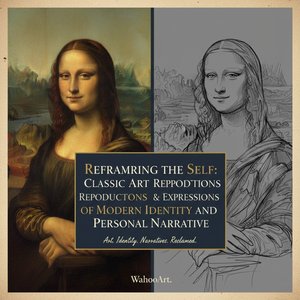 Asmenybės Atspindžiai Aliejuje: Klasikinės Tapybos Reprodukcijos kaip Šiuolaikinės Tapatybės ir Asmeninio Pasakojimo EkspresijaAtraskite klasikinės tapybos reprodukcijas, atspindinčias Jūsų asmenybę! Aukštos kokybės aliejiniai paveikslai, individualūs užsakymai ir m…
 Masterpieces Unveiled: The Top 25 Artworks at Kunsthaus ZürichExplore 25 iconic works from Kunsthaus Zürich, from Munch to Picasso. Discover museum-quality art at OriginalUniqueArt.com.