

 Peržiūrėti realaus dydžio版
 Siųsti
 Dalintis
 Išsamiau
 Vadovas

 Atsisiųsti
 Panašūs eksponatai
 Rentgeno spindulių nuotrauka
 Diaporama
 Statistika
Actresses
 Acrylic On Canvas
- WallArt
- Expressionism
 1946
1946 160.0 x 120.0 cm
 Kunsthaus Zürich
 Rodyti daugiau
Rankų darbo aliejinės reprodukcijos
Rankiniu būdu tapytas aliejus ant droblio jūsų pageidaujamame dydį ir rėmuose – mūsų menininkų darbas pagal užsakymą. ( Perjungti į spausdinimą Perejti prie skaitmeninių vaizdų)




P118B €10

P118H €10

P118W €10

P438Z €10

P508JH €12

P508YH €12

P805H €10

P805Z €10

P919BZ €10

P919G €10

P919XJ €10

P959ZH €10

P968JZ €12

W106C €8

W218G €10

W218JH €8

W218Y €10

W307PJ €10

W316G €10

W316PJ €8

W316Y €10

W398PJ €8

W4111J €10

W500HY €15

W500JH €15

W692G €12

W849H €8

W940BG €15

W953PJ €8




Pasirinkite iš mūsų nustatytų dydžių, atitinkančių originalaus meno kūrinio proporcijas.

Įveskite jums reikiamą plotį ir aukštį, kad paveikslas atitiktų jūsų rėmą ar sieną. Kadangi šis darbas yra rankinio darbo, siekiant išgauti kitokio formos dydį, paveikslas gali būti šiek tiek didesnis (nuo kraštų bus palikta daugiau erdvės) arba mažesnis – pasirinkite jums patogiausią variantą. Prieš pradedant tapyti, atsiųsime jums skaitmeninį maketą patvirtinimui. Šioje puslapio nuotraukoje matomas vaizdas nėra galutinis rezultatas – jį parodys tik sukurtas maketas.
Gavus užsakymą, OriginalUniqueArt.com komanda susisieks su klientu el. paštu dėl instrukcijų ir pateiks maketo pavyzdį
Pristatymas visame pasaulyje () per 3–4 savaites, o ne įprastai – per 5 savaites. (17 spalis). Kokybė lieka nepakeičiama.

Nemokamas greitasis pristatymas visame pasaulyje

Aukštos kokybės lininis drobė

Pilnas siuntimo draudimas

Muitinės mokesčių grąžinimo garantija

Tikro spalvų atitikimo garantija

100 dienų grąžinimo politika (tik esant įtaigoms)

100% pinigų grąžinimo garantija

Nuolaida dideliems užsakymams
 Stiklo variantas prieinamas tik pasirinkus dydį iki 110 cm

Actresses
Reprodukcijos technika
Reprodukcijos dydis
-


Visų pasirinktų variantų kaina
€ 261
A Moment Frozen in Glamour: Max Beckmann’s “Actresses”
Max Beckmann's 1946 painting, "Actresses," isn’t merely a depiction of two women in a dressing room; it’s a potent distillation of anxiety, vulnerability, and the carefully constructed facade of performance. Housed within the Kunsthaus Zürich’s collection, this oil on canvas invites us into a space both intimate and unsettling, revealing a complex interplay between reality and illusion that defines much of Beckmann's oeuvre. The painting immediately draws the eye to the central figures – two women seated before a large mirror, their postures suggesting a blend of anticipation and weariness. One woman, positioned slightly to the left, holds her hand delicately to her face, a gesture simultaneously shielding herself from an unseen light or expressing a profound discomfort. Her expression is ambiguous, hinting at both apprehension and a quiet resignation.
Beckmann’s style during this period – often categorized as New Objectivity or Neo-Expressionism – deliberately rejected the emotional excesses of earlier Expressionist movements. Instead, he favored a stark realism, employing flattened perspectives and fragmented forms to create a sense of unease and psychological depth. The mirror itself is crucial; it's not a simple reflective surface but an active participant in the scene, distorting and multiplying the figures, suggesting that identity itself is fluid and constructed. The lighting, too, contributes significantly to the painting’s mood – a diffused, almost clinical light casts long shadows, emphasizing the women’s faces and highlighting their vulnerability.
Echoes of Weimar and the Shadow of War
To fully appreciate “Actresses,” it's essential to understand the historical context in which it was created. Painted in 1946, just after the end of World War II, the painting reflects the profound anxieties and uncertainties gripping Germany at the time. The Weimar Republic, a period of relative prosperity and artistic experimentation, had collapsed into chaos and ultimately succumbed to the rise of Nazism. Beckmann, a staunch critic of authoritarianism, channeled these turbulent emotions through his art. The scene within the dressing room can be interpreted as a metaphor for the broader societal anxieties – the crumbling of established norms, the loss of innocence, and the pervasive sense of disillusionment.
Beckmann’s earlier life in Leipzig, Germany, was marked by significant personal tragedy, including the death of his wife. This experience undoubtedly informed his later work, contributing to a recurring theme of isolation and psychological distress. The painting's somber palette – dominated by muted browns, grays, and blacks – reinforces this sense of melancholy and foreboding. The overall effect is less celebratory than one might expect from a depiction of actresses, instead evoking a feeling of quiet desperation.
Symbolism and the Performance of Identity
Beyond its immediate visual impact, “Actresses” is rich in symbolic meaning. The dressing room itself represents the constructed nature of identity – the elaborate costumes, makeup, and carefully rehearsed performances that actresses present to the public. The mirror serves as a constant reminder that this performance is ultimately an illusion, concealing the women’s true selves. The book visible on the table further reinforces this theme, suggesting a preoccupation with stories, narratives, and the roles we play in life.
Furthermore, the positioning of the figures – one woman facing away from the viewer, the other turned towards her – creates a dynamic tension. It’s as if they are both observing each other, caught in a silent exchange that reveals nothing but their shared vulnerability. The painting doesn't offer easy answers or resolutions; instead, it compels us to confront the complexities of human experience and the often-painful process of self-discovery.
A Timeless Reflection on Artifice and Reality
“Actresses” remains a powerfully evocative work of art, demonstrating Beckmann’s mastery of psychological observation and his ability to translate complex emotions onto canvas. It's a painting that rewards repeated viewing, revealing new layers of meaning with each encounter. Its enduring appeal lies in its honest portrayal of human fragility and the inherent tension between appearance and reality – themes that resonate deeply across generations. Whether viewed as a historical document or a timeless meditation on identity, “Actresses” continues to captivate and challenge viewers today.
问答 (or more naturally for a website heading): Klausimai ir atsakymai
Kokios nacionalinės kilmės šaknys slypi „Actresses“ Expressionism?
„Actresses“ sujungia Expressionism stilių su Vokietija, atspindėdama kūrėjo gimimo vietą.
Kokią nuotaiką „Actresses“, autorius – Maksas Bekmanas išreiškia Expressionism kontekste?
„Actresses“ pasižymi Melancholic emociniu tonu, priklausančiu Expressionism stiliui.
Kada buvo sukurta „Actresses“ ir prie kokio stiliaus priskiriama?
„Actresses“, autorius – Maksas Bekmanas sukurta 1946 m. ir priklauso Expressionism stiliui.
Autoriaus biografija
ankstyvasis gyvenimas ir meninė plėtra
Max Beckmann, žymus vokiečių paintas, piešlys, grafikas, skulptorius ir rašytojas, gimė 1884 m. vasario 12 d. Saksonijos Leipziguje. Jo meninė kelionė prasidėjo nuo akademiškai tikslių vaizduotų formų, tačiau vėliau jos transformuojosi į iškraipytas figūras ir erdves, atspindėjančias jo pasikeitusią žmogaus supratimą po tarnybos medicinos pagalbininku Pirmojo pasaulinio karo metu.meninė stilius ir įtodiniai veiksniai
Beckmanno stiliui, šaknus \<į šiautą> viduramžių vitražų vaizdinio, įtakos davė daugybė menininkų, įskaitant Cézanne, Van Gogh, Blake, Rembrandt ir Rubens. Jis taip pat kūrė įkvėpimą iš vėlyvojo viduramio ir ранinio renesanso Šiaurės Europos menininkų, tokių kaip Bosch, Bruegel ir Matthias Grünewald.pastebimieji darbai ir parodos
Tarp jo svarbiausių kūrinių išskirtinai išsiskiria „Bark“ (įsiginta Berlyno Nacionalinėje galerijoje) bei „Self-portrait in Tuxedo“ (pirkta 1928 m.). Menininkas taip pat surengė retrospektyvų Mannheim städtische kunsthalle (1928 m.), taip pat Bazelyje ir Zūriche (1930 m.).vėlesnis gyvenimas ir tremtis
Beckmanno gyvenimo sėkmė pasikeitė su Adolfo Hitlerio įžaliųjų kėlimusiui, kas paskarbo jį iš meno mokyklos Frankfurte ir sukėlė daugiau nei 500 jo kūrinių konfiskaciją. Jis dešimties metų gyveno savartiškos tremties Amsterdamas, nes nepavyko gauti vizos į Jungtines Amerikos Valstijas.palikimas
Jo meninis palikimas tęsiasi per mokymą Vašingtono universiteto meno mokyklose Sent Luisas ir Brooklyn muziejuje. Pirmoji jo retrospektyva JAV įvyko 1948 m. Sent Luiso miesto meno muziejuje, o Vokijos Max-Slevogt galerijoje galima rasti kolekciją jo darbų. svarbios datos:gimė: 1884 m. vasario 12 d.
mirė: 1950 m. gruodžio 27 d.

Maksas Bekmanas
1884 - 1950 , Vokietija
Trumpa informacija apie kūrėją
- Gimimo Data: 1884 m. vasario 12 d.
- Gimimo Vieta: Leipcigas, Vokietija
- Meninis Stilius: Ekspresionizmas
- Mirties Data: 1950 m. gruodžio 27 d.
- Pilietybė: Vokiečių
- Pilnas Vardas: Max Carl Friedrich Beckmann
- Turėjęs Įtakos Menininkai:
- Rembrandt
- Bosch
- Įtakoję Judesiai/Menininkai:
- Georges Seurat
- Vincent van Gogh
- Žymiausi Darbai:
- The Bark
- Self-Portrait in Tuxedo
Susiję straipsniai

The Enduring Muse: Women as Subject & Symbol in Art History
Explore the rich history of women in art – from iconic muses to groundbreaking artists. Discover feminist movements, global perspectives & reclaim female narratives with OriginalUniqueArt.

The Gilded Age Reimagined: Exploring the Aesthetic Principles & Enduring Legacy of Art Deco
Explore the captivating world of Art Deco! Discover its origins, defining features, cultural impact & enduring legacy. Expert insights for collectors and design enthusiasts. Shop handmade reproductions at OriginalUniqueArt.
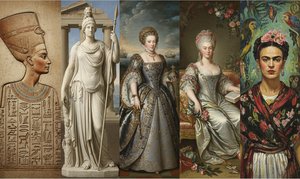
Portrayals of Power & Perception: A Historical Survey of Women in Art
Explore the rich history of women in art – from iconic muses to groundbreaking artists. Discover feminist movements & reclaim female narratives with OriginalUniqueArt. Expert insights for discerning collectors.
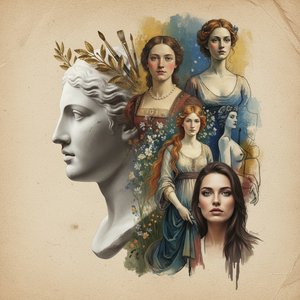
The Enduring Muse: Women as Subject & Symbol in Art History
Explore the rich history of women in art – from archetypal representations to contemporary voices challenging norms. Discover iconic artists & movements, and learn about reclaiming female narratives through painting and beyond.

The Gleaming Geometry of Desire: Exploring Art Deco's Enduring Influence on Visual Culture
Explore the captivating world of Art Deco! Discover its history, key characteristics, enduring influence on design & collecting with expert insights from OriginalUniqueArt.com.


