

 Peržiūrėti realaus dydžio版
 Siųsti
 Dalintis
 Išsamiau
 Vadovas

 Atsisiųsti
 Panašūs eksponatai
 Rentgeno spindulių nuotrauka
 Diaporama
 Statistika
The fruit bowl


 Rodyti daugiau
Giclée / Meno spausdinimas
Muziejų lygio „giclée“ arba drobos spausdinimas: greita gamyba ir lankstios apdailos parinktys. ( Pirkti rankomis tapytą reprodukciją Perejti prie skaitmeninių vaizdų)




P118B €10

P118H €10

P118W €10

P438Z €10

P508JH €12

P508YH €12

P805H €10

P805Z €10

P919BZ €10

P919G €10

P919XJ €10

P959ZH €10

P968JZ €12

W106C €8

W218G €10

W218JH €8

W218Y €10

W307PJ €10

W316G €10

W316PJ €8

W316Y €10

W398PJ €8

W4111J €10

W500HY €15

W500JH €15

W692G €12

W849H €8

W940BG €15

W953PJ €8




Pasirinkite iš mūsų nustatytų dydžių, atitinkančių originalaus meno kūrinio proporcijas.

Įveskite jums reikiamą plotį ir aukštį, kad atvaizdas derėtų prie jūsų rėmo ar sienos. Spausdiną galima tik sumažinti, bet nepadidinti virš originalaus paveikslėlio dydžio, todėl keičiant proporcijas, dalis vaizdo prarandama. Prieš spausdinimą atsiųsime jums skaitmeninį maketą patvirtinimui. Šioje puslapio nuotraukoje matomas pjūvis nėra tikslus – jį rodo tik maketas.
Pristatymas visame pasaulyje () per 2 weeks, o ne įprastas 4/5 savaičių laikotarpis. (25 spalis)

Nemokamas greitasis pristatymas visame pasaulyje

Aukštos kokybės lininis drobė

Pilnas siuntimo draudimas

Muitinės mokesčių grąžinimo garantija

Tikro spalvų atitikimo garantija

100 dienų grąžinimo politika (tik esant įtaigoms)

100% pinigų grąžinimo garantija

Nuolaida dideliems užsakymams
 Stiklo variantas prieinamas tik pasirinkus dydį iki 110 cm

The fruit bowl
Giclée / Meno spausdinimas
Reprodukcijos dydis
-


Visų pasirinktų variantų kaina
€ 70
Juan Gris’s “The Fruit Bowl”: A Symphony of Cubist Fragmentation
Juan Gris's "The Fruit Bowl," painted in 1914, isn’t merely a still life; it’s a meticulously constructed meditation on perception and reality. Emerging from the vibrant crucible of early 20th-century Paris, this work embodies the radical innovations of Cubism while simultaneously hinting at a profound exploration of visual language. Gris, deeply influenced by the geometric explorations of Picasso and Braque, yet forging his own distinct path, presents us with an image that deliberately disrupts traditional notions of representation, inviting the viewer to actively participate in its construction.
The painting’s subject – a humble fruit bowl overflowing with apples, oranges, and grapes – is rendered through a process of deliberate fragmentation. Rather than offering a faithful depiction of form, Gris breaks down each object into its constituent geometric shapes: cylinders, spheres, planes, and sharp angles. These elements are then reassembled on the canvas in an arrangement that prioritizes structure and spatial relationships over literal accuracy. The bowl itself is not presented as a solid volume but rather as a collection of overlapping planes, creating a sense of depth and dynamism within the confined space of the painting.
The Language of Collage and “Le Vrai et Le Faux”
What truly distinguishes "The Fruit Bowl" is Gris’s masterful incorporation of collage. He meticulously pasted fragments of newspaper – a deliberate choice reflecting the burgeoning interest in mass media at the time – onto the canvas, layering them with painted elements. This technique wasn't simply decorative; it was a conscious effort to blur the boundaries between reality and representation. The inclusion of the phrase “Le vrai et le faux” (The real and the false) on one of the newspaper fragments directly addresses this tension, acknowledging the inherent artificiality of painting itself – the act of creating an illusion of reality. This bold statement underscores Gris’s commitment to exposing the constructed nature of visual perception.
The use of white paint on the canvas—particularly within the bowl's frame—further emphasizes this concept. The untreated, raw material of the canvas becomes a crucial element, visually merging with the painted reality and creating a palpable sense of layering and ambiguity. It’s as if Gris is inviting us to question what constitutes “real” – is it the tangible objects before us, or the representation we perceive through the act of looking?
A Synthesis of Color and Form
Despite the fragmented composition, "The Fruit Bowl" isn't a study in monochrome austerity. Gris employs a carefully considered palette of muted reds, yellows, and browns, punctuated by vibrant splashes of color within the fruit itself. This restrained use of color contributes to the painting’s overall sense of balance and harmony, while simultaneously drawing attention to the individual elements within the still life. The interplay between these colors creates a subtle visual rhythm that guides the viewer's eye through the composition.
Gris’s meticulous attention to detail—the precise rendering of each geometric shape, the careful placement of every newspaper fragment—demonstrates his commitment to both formal innovation and technical mastery. “The Fruit Bowl” is not just a product of Cubist experimentation; it's a testament to Gris’s exceptional skill as an artist and his profound understanding of the power of visual language.
A Legacy of Geometric Vision
Painted in 1914, "The Fruit Bowl" stands as a pivotal work in the development of Cubism. It exemplifies the movement's core principles – fragmentation, abstraction, and the exploration of multiple perspectives—while simultaneously establishing Gris’s unique artistic voice. His innovative use of collage, combined with his masterful control of color and form, cemented his place among the most influential artists of the 20th century. Reproductions of this captivating artwork offer a glimpse into a world where reality is deconstructed, reassembled, and ultimately redefined through the power of art.
问答 (or more naturally for a website heading): Klausimai ir atsakymai
Kokia buvo Chuanas Gris amžius sukuriant „The fruit bowl“?
Kai 1914 m. buvo sukurta „The fruit bowl“, Chuanas Gris – gimęs 1887 m. – buvo 27 metų amžiaus.
Kokią nuotaiką į erdvę atneštų „The fruit bowl“?
Calm atmosfera kūrybinėje veikale „The fruit bowl“, autorius – Chuanas Gris dera su rekomenduojama erdvė: tai Living Room.
Kaip „The fruit bowl“, autorius – Chuanas Gris sujungia Synthetic Cubism su autoriaus gimtinė?
„The fruit bowl“ kūrybinę vadovavo Chuanas Gris, gimęs/usi Lietuva, remiantisсяs Synthetic Cubism stiliaus tendencijomis. Kūrėjo kilmė sujungia šį kūrinį su Synthetic Cubism kryptimi, kurios atstoviai iš Lietuva taip pat laikosi.
Autoriaus biografija
Ankstyvieji Metai ir Formavimasis
Žosė Viktorijano Gonzales-Perezas, vėliau žinomas kaip Chuan Gris, gimė 1887 metų kovo 23 dieną Madride, Ispanijoje. Jo kelionė į meno pasaulį nebuvo tiesioginė; prieš pradėdamas tapyti, jis studijavo inžineriją Madrido mokykloje, demonstruodamas analitinį protą, kuris vėliau turėjo didelės įtakos jo meninei kūrybai. Net ir tais formavimo metais ryškėjo kūrybingumas – piešiniai vietiniuose periodiniuose leidiniuose rodė augantį vizualinį talentą. 1905 metais jis pasirinko pseudonimą Chuan Gris, vardas rezonavo su nauju tapatumo pojūčiu ir tikslu, kai pradėjo formaliai studijuoti tapybą po Žosė Moreno Carbonero vadovavimo. Tai buvo lemtingas posūkis, nukreipęs jį į meno inovacijų kelią. Jaunasis Gris turėjo stiprų polinkį detalėms ir precizijai, bruožus, kurie vėliau taps jo stiliaus pagrindu.Paryžiaus Periodas ir Kubizmo Apimtis
1906 metais Chuan Gris persikėlė į Paryžių – miestą, kuris tuomet pulsuojo menine energija. Jis pasinėrė į šią gyvybingą aplinką, užmegzdavo draugystes su tokiais žymiais asmenimis kaip Anri Matisas, Žoržas Brakas ir Fernandas Legeras. Pradžioje jis ėmėsi satyrinio iliustravimo leidiniuose, tokiuose kaip *L'Assiette au Beurre*, tobulindamas savo stebėjimo įgūdžius ir ugdydamas aštrų vizualinį skonį. Tačiau stipriausia įtaka pasirodė esanti Pablo Pikaso trauka. Apytiksliai 1910 metais Gris rimtai ėmėsi tapybos, atsisakydamas karikatūros ir kreipdamasis į besiformuojantį kubizmo fenomeną. Tai nebuvo paprastas imitavimas; jis pradėjo ieškoti formų ir erdvės esmės, siekdamas naujos vizualinės tvarkos. Ankstyvieji jo darbai pasižymėjo sąmoningu atsisakymu nuo tradicinio vaizdavimo, priimdami abstrakciją kaip būdą užfiksuoti tikrovės pagrindinę struktūrą. Šis laikotarpis buvo intensyvaus eksperimentavimo ir mokymosi metas, kuriame Gris ėmė kurti savo unikalų kubistinio stiliaus braižą.Geometrijos Vizija: Stilius ir Pagrindiniai Darbai
Chuano Griso meninis kūrybos bruožas – išskirtinis aiškumas ir intelektualinis griežtumas. Jis ne tik dekonstruodavo objektus, bet ir rekonstruodavo juos su sąmoningu precizumu, pabrėždamas geometrines formas ir kruopščiai apgalvotą spalvų paletę. Šis požiūris lėmė jo vadinamąjį „kristalinį“ periodą, iliustruotą tokiais šedevrais kaip *Natūrmortas prieš atvirą langą* ir *Place Ravignan* (1915). Šie darbai demonstruoja nuostabų plokštumų ir kampų žaidimą, sukuriantį gilumo ir vientisumo pojūtį, tuo pačiu keldami iššūkį įprastiems perspektyvos sampratoms. Po 1913 metų Gris visiškai pasinėrė į Sintetinį Kubizmą, pionieriškai naudodamas *papier collé* – koliažo techniką, į savo kompozicijas įtraukdamas tikrosios medžiagos, tokias kaip laikraščių iškarpos ir tekstūruoti popieriai. Ši technika suteikė papildomą sudėtingumo ir apčiuopiamumo sluoksnį jo darbams, nubraukiant ribas tarp tapybos ir skulptūros. Žymūs pavyzdžiai yra *Gitarą prieš jūrą* (1925), liudijantis jo supaprastintas formas ir prisilaikymą prie kubistinių principų, ir *Pagarba Pablui Pikaso* (1912), signalizuojanti augantį jo pripažinimą avangardo meno pasaulyje.Palikimas ir Tvarus Poveikis
Chuano Griso indėlis į kubizmą apima daugiau nei tik stilistinę naujovę; jis atnešė unikalų intelektualinį gilumą ir struktūrinį aiškumą judėjimui. Jis peržengė analitinį etapą, pereidamas prie organizuotesnio ir sintetinio požiūrio, pabrėždami tvarką ir preciziją. Jo darbai turėjo didelės įtakos puristiniam stiliui, kurį propagavo Amédée Ozenfant ir Šarlis Eduaras Žaneras (Le Corbusier), ragindamas grįžti prie klasikinio formos ir kompozicijos principų. Griso pabrėžimas geometrinėms formoms, harmoningai spalvų paletei ir kasdieniams objektams įtraukiant į jo meną padarė jį esminiu 20-ojo amžiaus meno veikėju. Jo palikimas tebeįkvepia menininkus šiandien, demonstruodamas kubizmo galią ir Chuan Gris vizionieriškumą – Ispanijos meistrą, kuris pakeitė mūsų suvokimą apie įvaizdžio formavimąsi ir atstovavimą. Jo darbai yra nuolatinis priminimas apie meno gebėjimą iššaukti konvencijas ir peržiūrėti tai, kaip mes matome pasaulį.
Chuanas Gris
1887 - 1927 , Lietuva
Trumpa informacija apie kūrėją
- Gimimo Data: 1887 m. kovo 23 d.
- Gimimo Vieta: Madridas, Ispanija
- Menininkų Įtaka:
- Purizmas
- Amédée Ozenfant
- Le Corbusier
- Meninis Stilius: Kubizmas, Sintetinis kubizmas
- Mirties Data: 1927 m. gegužės 11 d.
- Pilietybė: Ispanijos
- Pilnas Vardas: José Victoriano González-Pérez
- Įtakoję Menininkai:
- Pablo Picasso
- Henri Matisse
- Georges Braque
- Žymiausi Darbai:
- Gitara prieš jūrą
- Homage à Pablo Picasso
- Malūnininkas
- Portretas ponios Josette Gris
Susiję straipsniai

The Bountiful Still Life: Symbolism & Artistic Representation of Fruit Across Art History
Explore the rich history of still life painting & the symbolism of fruit across art movements. Discover masterpieces from Caravaggio to Cézanne with OriginalUniqueArt – expert guidance & museum-quality reproductions.
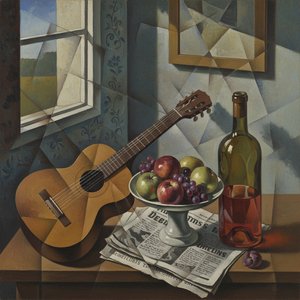
Deconstructing Reality: A Comprehensive Exploration of Cubist Still Life
Explore the revolutionary world of Cubist Still Life with OriginalUniqueArt. Discover Picasso & Braque's groundbreaking techniques, its philosophical roots, and lasting impact on modern art. Expert insights for collectors.
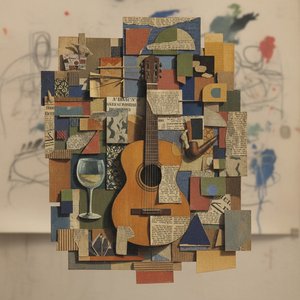
Deconstructing Reality: A Comprehensive Exploration of Synthetic Cubism's Evolution & Impact
Explore the revolutionary world of Synthetic Cubism! Discover its origins, key artists like Picasso & Braque, techniques, and lasting impact on modern art. A comprehensive guide for enthusiasts.
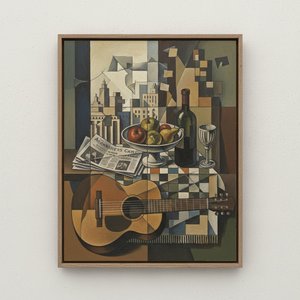
Juan Gris: Cubist Deconstruction & Synthesis – A Comprehensive Exploration
Explore the revolutionary art of Juan Gris – a master of Cubism. Discover his unique approach to deconstruction, vibrant Synthetic Cubist works, and lasting influence on modern art. Expert analysis for collectors.
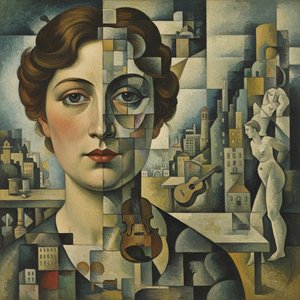
Deconstructing Reality: Cubism's Revolutionary Impact on 20th-Century Art
Explore the revolutionary world of Cubism with OriginalUniqueArt. Discover Picasso & Braque's groundbreaking techniques, its philosophical roots, and lasting impact on modern art. Expert insights for collectors.


