


A Sanctuary of Color: The Kröller-Müller Museum’s Enduring Legacy
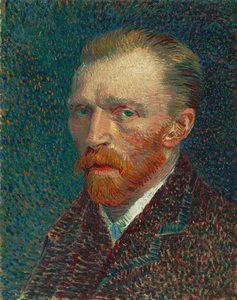
Nestled within the vast expanse of the Hoge Veluwe National Park in Otterlo, Netherlands, the Kröller-Müller Museum stands as a testament to one woman's profound passion and foresight – Helene Kröller-Müller. More than just a museum, it’s an immersive experience, a dialogue between art, nature, and history, all housed within a strikingly modern architectural masterpiece designed by Henry van de Velde. Established in 1938, the museum’s story is inextricably linked to its founder's remarkable vision: to create a space where the brilliance of Vincent van Gogh could be celebrated not just as an artist, but as a deeply human being whose work continues to resonate with profound emotional power.
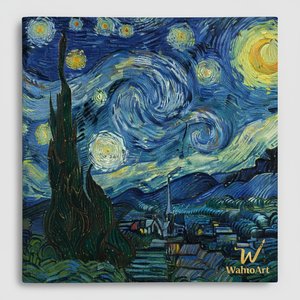
The Kröller-Müller’s collection isn’t merely comprised of paintings; it's a carefully curated narrative. The undisputed centerpiece is undoubtedly the second-largest collection of Van Gogh works globally – nearly ninety paintings and over one hundred eighty drawings, offering an unparalleled opportunity to trace the evolution of his distinctive style and explore the raw emotion that fueled his brushstrokes. Stand before *Café Terrace at Night*, mesmerized by the vibrant hues and the palpable sense of Parisian atmosphere, or contemplate the haunting intensity of *Sorrowing Old Man (At Eternity’s Gate)*, a portrait brimming with vulnerability and existential questioning.
The Sculpture Garden: A Dialogue with Nature
Leaving the gallery spaces, visitors are immediately struck by the sheer scale and beauty of the sculpture garden. This expansive outdoor realm, encompassing over seventy acres within the national park, is a deliberate extension of the museum’s artistic vision – a harmonious blend of art and nature. The garden's design, conceived in collaboration with landscape architect Jan van Eyck, creates a series of interconnected pathways that guide visitors through a diverse collection of modern and contemporary sculptures by renowned artists such as Auguste Rodin, Henry Moore, Jean Dubuffet, Mark di Suvero, and Claes Oldenburg. The placement of each sculpture is carefully considered, responding to the surrounding landscape and creating unexpected visual encounters.
A Building as Art: The Architecture of Henry van de Velde
The Kröller-Müller Museum building itself is a remarkable achievement of architectural design. Designed by the renowned architect Henry van de Velde, it’s a strikingly modern structure that seamlessly integrates with its natural surroundings. Constructed primarily from concrete and glass, the museum's exterior reflects the stark beauty of the Dutch landscape while simultaneously offering expansive views into the surrounding park. The building’s interior spaces are equally impressive, characterized by soaring ceilings, abundant natural light, and a sense of spaciousness that enhances the viewing experience for the artwork.
Echoes of War and Resilience
The museum's history is inextricably linked to the tumultuous events of World War II. Helene Kröller-Müller’s estate, including the museum building, served as a vital hub for the Dutch resistance during the occupation. The secret telephone line installed by an electrician in Otterlo – still standing today – represents a remarkable act of defiance and collaboration. The museum's survival through the war is a testament to the resilience of its founder and the enduring spirit of the Netherlands.
Contemporary Exhibitions and Future Directions
The Kröller-Müller Museum continues to evolve, offering a dynamic program of temporary exhibitions that explore diverse themes and artistic movements. From retrospectives dedicated to individual artists to thematic explorations of specific periods or styles, the museum consistently seeks to engage audiences with new perspectives on its permanent collection. Currently, the museum is hosting “Between Worlds,” an exhibition exploring the intersection of art and nature, while a future exhibition titled "Lilian Kreutzberger. Rauhfaser" promises to delve into the work of this contemporary artist. The Kröller-Müller Museum remains committed to fostering dialogue, inspiring creativity, and preserving its legacy as one of the world’s leading art institutions – a place where the past informs the present and the future.