Modernism
Sculptural Objects (Cramer 47) (Henry Moore)
Henry Moore (1898–1986) sukūrė Sculptural Objects (Cramer 47). Šis kūrinys priklaulo Modernism kieruliui. Pagaminta naudojant Painting.
- Painting

 Peržiūrėti realaus dydžio版

 Rankinio darbo aliejinės imitacijos paveikslas
 Pasidalinti
 Dalintis
 Informacinė l lapelė


 Atsisiųsti
 Panašūs eksponatai
 Rentgeno spindulių nuotrauka
 Automatinė diorama
 问答

 Statistika
Sculptural Objects (Cramer 47), trumpai
- Pavadinimas
- Sculptural Objects (Cramer 47)
- Autorius
- Henry Moore (1898–1986)
- Dizainere/is gimęs
- Kaslfordas, Jungtinė Karalystė
- Mediumas
- Painting
- Judėjimas
- Modernism
- Laikotarpis
- Modern
- Tema
- blue ball, red shoe, red ball, people, sculptures, abstract shapes
Ką vaizduoja Sculptural Objects (Cramer 47)?
A Symphony of Form: The Modernist Vision of Henry Moore
In the vast landscape of twentieth-century modernism, few names resonate with as much tactile power and organic grace as Henry Moore. While the world often recognizes him through his monumental bronze figures that command public squares across the globe, his foray into the two-dimensional realm offers a uniquely intimate window into his creative psyche. Sculptural Objects (Cramer 47) stands as a breathtaking testament to this versatility, a painting that does not merely depict shapes but breathes life into them. In this work, Moore transcends the boundaries of his usual medium, using the canvas to explore the very essence of volume, weight, and spatial relationship that defined his sculptural career.
The composition is a masterful dance of geometry and humanity. At first glance, the viewer is greeted by an array of striking shapes—a large, commanding blue sphere, a vibrant red shoe, and smaller crimson accents that punctuate the scene like rhythmic beats in a visual melody. Yet, these are not isolated relics; they exist within a living ecosystem. Moore populates this abstract landscape with figures who interact with these objects, creating a profound dialogue between the inanimate and the animate. This interplay suggests that art is not a distant, untouchable entity, but something woven into the fabric of human experience, inviting us to touch, move, and inhabit the space alongside the subjects.
Technique, Perspective, and the Modernist Spirit
What makes Sculptural Objects (Cramer 47) so captivating for the discerning collector or interior designer is its sophisticated use of perspective and depth. Moore employs a technique that allows for multiple viewpoints to coexist within a single frame, a hallmark of modernist innovation. This creates a sense of kinetic energy, as if the painting is shifting beneath our gaze. The way light and shadow play across the blue ball and the red forms gives them a palpable three-dimensionality, tricking the eye into perceiving weight where there is only pigment. It is this illusion of mass that makes the piece feel remarkably "sculptural" despite being a flat surface.
The emotional impact of the work lies in its balance of abstraction and familiarity. While the shapes are undeniably modern and abstract, the presence of the human figures anchors the piece in a recognizable reality. There is a sense of wonderment, a childlike curiosity as the people navigate this world of colorful totems. For those looking to adorn a sophisticated interior, this painting offers more than just decoration; it provides a focal point of intellectual depth and aesthetic joy. It brings with it the legacy of the English master—a legacy of finding the eternal in the organic and the monumental in the small.
Owning a high-quality reproduction of such a masterpiece allows one to bring the revolutionary spirit of Moore into the home. Whether placed in a minimalist contemporary gallery or a richly textured traditional study, Sculptural Objects (Cramer 47) serves as a conversation starter, an invitation to contemplate the beautiful tension between the shapes we create and the lives we lead.
Sculptural Objects (Cramer 47) dididraudžios kokybės vaizdai

Protected by copyright: these files are for personal reference, not a licence to republish.
Henry Moore, Sculptural Objects (Cramer 47).
Atsakimai į klausimus apie Sculptural Objects (Cramer 47)
Kokia technika sukurta „Sculptural Objects (Cramer 47)“ – Henry Moore?
„Sculptural Objects (Cramer 47)“ – Henry Moore technika – Painting. Kopijos siekia atkartoti šios technikos vaizdą.
Kas yra „Sculptural Objects (Cramer 47)“?
Darbos „Sculptural Objects (Cramer 47)“ temos yra blue ball, red shoe, red ball, people, sculptures, abstract shapes.
Ar „Sculptural Objects (Cramer 47)“ yra viešosios teisės kūrinys?
Kalbant apie autorišką teisę, „Sculptural Objects (Cramer 47)“ yra vis dar saugoma autorineje teisėje.
Kuriam menininkui priskiriamas kūrinys „Sculptural Objects (Cramer 47)“?
„Sculptural Objects (Cramer 47)“ priskiriamas Henry Moore.
Kokiam meno stiliui priklauso „Sculptural Objects (Cramer 47)“ – Henry Moore?
„Sculptural Objects (Cramer 47)“ – Henry Moore priklauso Modernism stiliui. Ši dailės kryptis suteikia kūriniui stilistinį kontekstą.
Kokio Henry Moore kūrybos laikotarpio priklauso „Sculptural Objects (Cramer 47)“?
„Sculptural Objects (Cramer 47)“ priklauso Henry Moore kūrybos karjeros Modern Period etapui. Ši klasifikacija atspindi kūrinio ryšį su menininko evoliucija.
Ar Henry Moore kūrinys „Sculptural Objects (Cramer 47)“ yra viešosios nuoslegos ir kodėl?
Autorinės teisės statusas kūriniui „Sculptural Objects (Cramer 47)“ – vis dar saugoma autorineje teisėje – nustatomas remiantis to, kad menininkas mirė 1986 m.
Ką „Sculptural Objects (Cramer 47)“ turi bendro su visa Henry Moore kūryba?
„Sculptural Objects (Cramer 47)“ kartu su kitais Henry Moore kūriniais pasižymi Modernism stiliumi ir tamsiomis temomis: modernist abstraction, nature and human form, human experience interaction, versatile artistic approach, evolution of sculpture.
Kaip „Sculptural Objects (Cramer 47)“ tema susiję su įprastomis Henry Moore tematikos temos?
„Sculptural Objects (Cramer 47)“ vaizduoja blue ball, red shoe, red ball, people, sculptures, abstract shapes, o įrašytos Henry Moore temos yra modernist abstraction, nature and human form, human experience interaction, versatile artistic approach, evolution of sculpture. Šių dviejų lyginimas parodo, kaip šis kūrinys susijęs su įprastais šio kūrybinio veiksmo objektais.
Apie šį menininką, Henry Moore

1898–1986, Jungtinė Karalystė
Henry Moore
Formu iš雕skulptuotas gyvenimas: Henry Moore pasaulis Henry Spencer Moore, gimęs 1898 metais Jorkšyro anglies kasybos miestelyje Castleford, tapo vienu iš svarbiausių ir tarptautiniu mastu pripažintų XX amžiaus Britanijos skulptorių. Jo kelionė nuo skromžių prad beginnings iki pasaulinio pripažinimo yra įkvėpėme liudijimas neklietai siekiant meninės tyrimo ir gilaus ryšio su žmogaus kūnu bei gamtos pasauliu. Moore tėvas, savaviydis žmogus, troškęs mokytis, į savo sūnų įsidiegė tikėjimą švietimo galia, nukreipdamas jį nuo kasybinio gyvenimo link oficialaus mokymosi. Net ir mažame amžiuje Moore rodė prigimtą talentą modeliuoti alyvą ir skulptūrausti medį, iš anksto numatydamas savo gyvenimo kelią.
Taip pat Henry Moore darbai
 Reclining Figure
 Falling Warrior1957
 Sheep 1
 A Miner at Work1942
Esdai apie Sculptural Objects (Cramer 47)
 Unveiling the Dreamer: The 25 Most Iconic Masterpieces by Gustave MoreauStep into the dreamlike world of Gustave Moreau. Explore 25 iconic Symbolist masterpieces, from mythic legends to opulent textures. Find in…
 The Power of One: Exploring Depth and Emotion in Monochromatic ArtistryExplore the profound depth of monochromatic mastery from Malevich to Klein. Discover the power of single-hue art today.
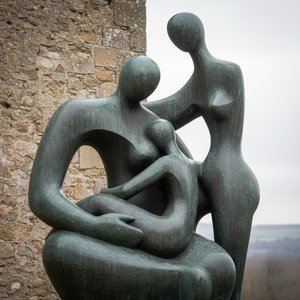 Henry Moore: Sculpting Modernity – Form, Emotion & the Human ConditionExplore the revolutionary sculptures of Henry Moore – abstract forms, reclining figures & powerful expressions of the human condition. Disc…