Contemporary Realism · 1957
Falling Warrior (Henry Moore, 1957)
Henry Moore (1898–1986) sukūrė Falling Warrior. Šis kūrinys datuojamas 1957 m. Šis kūrinys priklaulo Contemporary Realism kieruliui. Pagaminta naudojant Bronze. Eksponatas saugomas National Museums Liverpool Liverpulis, Jungtinė Karalystė. Dimensijos – 48 × 147 cm.
- 1957
- Bronze
- 48 × 147 cm
- National Museums Liverpool, Liverpulis

 Rankinio darbo aliejinės imitacijos paveikslas
 Pasidalinti
 Dalintis
 Informacinė l lapelė


 Atsisiųsti
 Panašūs eksponatai
 Automatinė diorama
 问答

 Statistika
Falling Warrior, trumpai
- Pavadinimas
- Falling Warrior
- Autorius
- Henry Moore (1898–1986)
- Dizainere/is gimęs
- Kaslfordas, Jungtinė Karalystė
- Data
- 1957
- Mediumas
- Bronze
- Matmenys
- 48 × 147 cm
- Kur galima pamatyti
- National Museums Liverpool, Liverpulis, Jungtinė Karalystė
- Judėjimas
- Contemporary Realism
- Laikotarpis
- Modern
- Tema
- bronze sculpture, female figure, reclining pose, minimalism, organic form, tranquility
Ką vaizduoja Falling Warrior?
A Symphony of Bronze and Bone: The Essence of Falling Warrior
In the quiet halls of Tate Britain, there exists a moment of profound stillness captured in bronze—a masterpiece that breathes with the weight of history and the lightness of spirit. Henry Moore’s “Falling Warrior,” created between 1956 and 1957, is far more than a mere sculpture; it is a meditation on the very nature of existence. As one approaches this monumental work, the eye is immediately drawn to the fluid, undulating lines that define the female form. The figure lies horizontally, her body a landscape of soft curves and deliberate voids, evoking a sense of both immense strength and heartbreaking vulnerability. It is a piece that does not merely occupy space but commands it, inviting the viewer into a silent dialogue about resilience in the face of inevitable decline.
The brilliance of Moore’s technique lies in his ability to marry the tactile reality of metal with the ethereal quality of movement. Through a masterful process of modeling clay and subsequent bronze casting, Moore achieved a surface texture that feels alive. One can trace the subtle depressions and ridges that mimic the contours of flesh and bone, creating a rhythmic vitality that suggests the figure is caught in a single, breathless moment of transition. His pioneering use of negative space—the intentional piercing of the form—allows light to pass through the sculpture, integrating the surrounding environment into the artwork itself. This interplay of solid mass and hollow void creates a dynamic tension, making the bronze appear deceptively supple, as if the warrior might stir at any moment.
Modernism Rooted in the Earth
To understand the soul of “Falling Warrior,” one must look to the rugged landscapes of Yorkshire, where Henry Moore first learned to see the world. The rolling hills and weathered stones of his youth are echoed in the organic abstractions of this piece. While the sculpture sits firmly within the mid-century movements of Abstract Expressionism and Surrealism, it avoids the coldness often associated with pure abstraction. Instead, Moore utilizes a semi-abstract language to explore deep psychological states. The pose—a female figure with an arm outstretched in what could be interpreted as either defiance or surrender—serves as a universal symbol for the human condition. It captures the duality of our existence: the struggle to remain upright and the eventual, graceful acceptance of our own mortality.
For the discerning collector or interior designer, “Falling Warrior” represents an unparalleled opportunity to introduce a sense of timelessness and intellectual depth into a space. A high-quality reproduction of this work brings with it the prestige of British Modernism and the calming influence of organic form. Whether placed in a sunlit gallery, a sophisticated study, or as a focal point in a contemporary living space, the sculpture’s presence is transformative. It offers more than decoration; it provides a window into a profound aesthetic experience, where the boundaries between the human body and the natural world dissolve into a single, hauntingly beautiful expression of life.
Kuriame muziejuje eksponuojamas karya Falling Warrior?
National Museums Liverpool
Liverpulis, Jungtinė Karalystė
Akmens, įraišyta akmeniu ir drobė: atsklepiant „National Museums Liverpool“ Energingame Liverpulo širdyje, mieste, ką paviebindo jūrinė istorija, pramoninis ištikimumas ir meninė inovacija, slyti „National Museums Liverpool“ – institucija, kuri yra kur kas daugiau nei tiesiog artefaktų saugykla. Tai gyva kronika, Merseyside evoliucijos įrodymas ir gili žmonių kūrybiškumo šventė per tūkstančius metų. Skirtingai nei didelės, centralizuotos muziejai, dažnai ribojami Londolo kultūrinės sferos orbitos, NML klesti dėl savo išskirtinio regioninio ident >t >>mo, šakrintų Šiaurės Vakarų atkaklumu ir siekiančio prieinamumo visiems.


Falling Warrior dididraudžios kokybės vaizdai

Protected by copyright: these files are for personal reference, not a licence to republish.
Henry Moore, Falling Warrior (1957), National Museums Liverpool.
Atsakimai į klausimus apie Falling Warrior
Kuriam muziejui priklauso originalus „Falling Warrior“?
Originalus „Falling Warrior“ – Henry Moore saugomas National Museums Liverpool, Liverpulis, Jungtinė Karalystė. Kopija leidžia šį kūrinį eksponuoti namuose.
Kokia yra „Falling Warrior“ – Henry Moore kūrybos data?
„Falling Warrior“ – Henry Moore sukurtas 1957 m.
Kokia technika buvo panaudota kūriniam darbui „Falling Warrior“ – Henry Moore?
Henry Moore kūriniui „Falling Warrior“ panaudojo Bronze techniką. Ši technika apibrėžė originalaus kūrinio medžiaginę prigimtį.
Kokie yra originalaus „Falling Warrior“ – Henry Moore matmenys?
Originalaus kūrinio „Falling Warrior“ – Henry Moore matmenys yra 147 x 48 cm.
Ką vaizduoja „Falling Warrior“ – Henry Moore?
Darbos „Falling Warrior“ temos yra bronze sculpture, female figure, reclining pose, minimalism, organic form, tranquility, monumental art.
Ar „Falling Warrior“ – Henry Moore vaizdą galima laisvai reprodukcijaoti?
Autorių teisių statusas kūriniui „Falling Warrior“ – Henry Moore: kūrinys priklauso vis dar saugoma autorineje teisėje. Tai nulemia, ar galima laisvai reprodukciuoti šį vaizdą.
Kas sukūrė „Falling Warrior“?
„Falling Warrior“ kūrybinį darbą sukūrė Henry Moore. Šioje puslapio informacijoje aprašomas Henry Moore originalus kūrinys.
Kokiam meno stiliui priklauso „Falling Warrior“ – Henry Moore?
Kūrinio „Falling Warrior“ – Henry Moore stilius – Contemporary Realism. Ši klasifikacija leidžia šį darbą įtraukti į bendrą susijusių menininkų ir kūrinių kontekstą.
Kokio Henry Moore kūrybos laikotarpio priklauso „Falling Warrior“?
„Falling Warrior“ atspindi Henry Moore kūrybinį laikotarpį Mature Period.
Apie šį menininką, Henry Moore

1898–1986, Jungtinė Karalystė
Henry Moore
Formu iš雕skulptuotas gyvenimas: Henry Moore pasaulis Henry Spencer Moore, gimęs 1898 metais Jorkšyro anglies kasybos miestelyje Castleford, tapo vienu iš svarbiausių ir tarptautiniu mastu pripažintų XX amžiaus Britanijos skulptorių. Jo kelionė nuo skromžių prad beginnings iki pasaulinio pripažinimo yra įkvėpėme liudijimas neklietai siekiant meninės tyrimo ir gilaus ryšio su žmogaus kūnu bei gamtos pasauliu. Moore tėvas, savaviydis žmogus, troškęs mokytis, į savo sūnų įsidiegė tikėjimą švietimo galia, nukreipdamas jį nuo kasybinio gyvenimo link oficialaus mokymosi. Net ir mažame amžiuje Moore rodė prigimtą talentą modeliuoti alyvą ir skulptūrausti medį, iš anksto numatydamas savo gyvenimo kelią.
Taip pat Henry Moore darbai
 Reclining Figure
 Sculptural Objects (Cramer 47)
 Sheep 1
 A Miner at Work1942
Esdai apie Falling Warrior
 Romantic Realism's Finest: 10 Masterpieces for Your Home | OriginalUniqueArtExplore 10 defining masterpieces of Romantic Realism! Discover Courbet, Millet & Daumier's powerful paintings—capturing emotion and social …
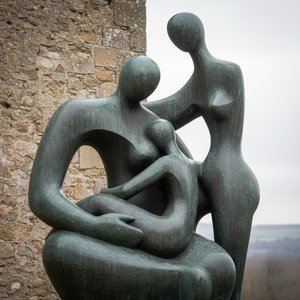 Henry Moore: Sculpting Modernity – Form, Emotion & the Human ConditionExplore the revolutionary sculptures of Henry Moore – abstract forms, reclining figures & powerful expressions of the human condition. Disc…
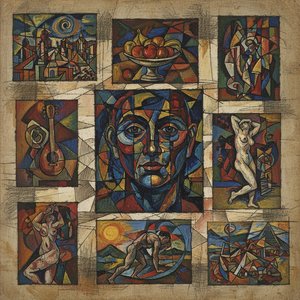 Cubist Expressionism's 10 Defining Masterpieces | Art for Your HomeExplore 10 defining Cubist Expressionism masterpieces by Picasso, Braque & more. Discover the stories behind these bold, geometric painting…