Mannerist, one artist at a time

71 Famous Mannerist მხატვრები Who Shaped the Movement

ელ გრეკო (1541–1614) is the most famous Mannerist მხატვარი, whose singular vision gave us ელ ესპოლიო და ორგაზის საგრავრაკუნი. Next stand ტინტორეტო, ჯუზეპე არჩიმბოლდო, ანგელო ბრონზინო და სოფონისბა ანგისოლა. These 71 მესმენები, from ამიკო ასპერტინი (born 1475) to კრისტოფანო ალორი (born 1577), came from 14 countries.

Our selection. Artists whose works our catalogue attaches to Mannerist, in the order of our fame ranking. Artists born after 1955 with no Wikidata identifier stay out until verified. The Wikipedia figure counts our 32 languages with an article on the artist.

  1. ელ ესპოლიო, ელ გრეკო-ის მიერ1ელ გრეკო
  2. The Last Supper

artworks_database

/en/art/jacopo-tintoretto-the-last-supper-8Y3K2M-en/

/media/artworks/images/thumbnails/25/02/2502bd1970854e5ba0ea3fbc3890950e.jpg

Jacopo Tintoretto

A Venetian Master of Drama and Light

Jacopo Tintoretto, born Jacopo, ტინტორეტო-ის მიერ2ტინტორეტო
  3. ვერტუმნუსი (ზამთრის ღამე), ჯუზეპე არჩიმბოლდო-ის მიერ3ჯუზეპე არჩიმბოლდო

In brief

Mannerist in brief

  • 71მხატვრები
  • 1475–1577lahirjnis tseli
  • 14დაბადების ქვეყნები
  • 2ქალები
  • 5 179ნამუშევრები ჩვენს კატალოგში
ქალაქები, სადაც ყველაზე მეტი დაბადებაა
ფლორენცია (8), Florence (6), ბოლონია (4), ვენეცია (3)
მუზეუმები, სადაც ყველაზე მნიშვნელოვანი ნამუშწევრები ინახება
კუნსტისტორიშეს მუზეუმი (21), ნაციონალური გალერეა (9), ერმიტაჟის მუზეუმი (8), უფიციების გალერეა (7)

One artist at a time

71 Mannerist მხატვრები and their signature works

1of 71

ელ გრეკო

ბერძენი-ესპანელი Born in ჰერაკლიონი მანერიზმი, ბაროკო Wikipedia in 31/32 languages

ელ გრეკო

While he achieved success and received significant commissions from churches and monasteries in Toledo, his influence was not immediately felt by the broader art world after his death in 1614.

Signature works · The 100 signature works

2of 71

ტინტორეტო

იტალიელი Born in ვენეცია რენესანსი, მანერიზმი Wikipedia in 31/32 languages

ტინტორეტო

Rather than seeking the serene stillness of the High Renaissance, he leaned into the tension of the Mannerist style, populating his compositions with muscular figures and dramatic gestures that seemed to strain against the edges of the frame. The Origin of the Milky Way (Scuola Grande di San Rocco, Venice). Tintoretto occupied a singular position in the Venetian school, standing alongside Titian and Veronese as one of the three great painters of the sixteenth century.

Where to see The Scuola Grande di San Rocco remains the most concentrated repository of his output, housing over sixty canvases that transform the building's halls into a cinematic experience of biblical narratives.

Signature works · The 100 signature works

3of 71

ჯუზეპე არჩიმბოლდო

იტალიელი Born in მილანი მანერიზმი, სურიალიზმი Wikipedia in 30/32 languages

ჯუზეპე არჩიმბოლდო

He specialized in grotesque symbolical compositions, where the anatomy of a face was reimagined through the arrangement of fruits, vegetables, flowers, animals, books, and various inanimate objects. These works were often viewed as curiosities, yet they required a sophisticated understanding of how to merge the organic with the artificial to create a recognizable human form. In his portraits of Summer and Winter, the human form is entirely subsumed by the textures of the harvest and the cold, creating a visual riddle that demands a second glance.

Where to see The physical remnants of Arcimboldo’s imagination are scattered across Europe, preserved within the halls of institutions that once served the very courts he once entertained.

Signature works · The 100 signature works

4of 71

ანგელო ბრონზინო

იტალიელი Born in ფლორენცია მანერიზმი Wikipedia in 29/32 languages

ანგელო ბრონზინო

Signature works · The 100 signature works

5of 71

სოფონისბა ანგისოლა

იტალიელი Born in კრემონა რენესანსი, მანერიზმი Wikipedia in 29/32 languages

სოფონისბა ანგისოლა

Signature works · The 100 signature works

6of 71

იაკოპო კარუჩი

იტალიელი Born in ემპოლი მანერიზმი Wikipedia in 28/32 languages

იაკოპო კარუჩი

Signature works · The 100 signature works

7of 71

პარმიჯანინო

იტალიელი Born in პარმა მანერიზმი Wikipedia in 28/32 languages

პარმიჯანინო

Signature works · The 100 signature works

8of 71

ჯორჯო ვაზარი

Italian Born in არეცო Mannerism Wikipedia in 31/32 languages

ჯორჯო ვაზარი

Teacher of Jacopo Zucchi #54, Federico Zuccari #41

Signature works · The 100 signature works

9of 71

ჯულიო რომანო

იტალიელი Born in რომი მანერიზმი Wikipedia in 28/32 languages

ჯულიო რომანო

Signature works · The 100 signature works

10of 71

როსო ფიორენტინო

იტალიელი Born in ფლორენცია მანერიზმი Wikipedia in 27/32 languages

როსო ფიორენტინო

Signature works · The 100 signature works

11of 71

სებასტიანო დელ პიომბოს

იტალიური Born in ვენეცია მაღალი რენესანსიო, მანერიზმი Wikipedia in 23/32 languages

სებასტიანო დელ პიომბოს

Signature works · The 100 signature works

12of 71

ჰენდრიკ გოლციუსი

ჰოლანდიელი Born in Bracht ჩრდილოეთური მანერიზმი და ბაროკოს гравюра Wikipedia in 19/32 languages

ჰენდრიკ გოლციუსი

Signature works · The 100 signature works

13of 71

დომენიკო ბეკაფუმი

იტალიელი Born in Castelnuovo Berardenga მანერიზმი, რენესანსი Wikipedia in 21/32 languages

დომენიკო ბეკაფუმი

Signature works · The 100 signature works

15of 71

ბარტოლომეუს სპრანგერი

Flemish Born in ანტვერპენი Northern Mannerism Wikipedia in 18/32 languages

ბარტოლომეუს სპრანგერი

Spranger’s style is a quintessential example of Northern Mannerism, characterized by elongated figures, complex poses, and a deliberate emphasis on elegance and refinement. Spranger’s work is notable for its dynamism, achieved through carefully orchestrated diagonals and a sense of movement within each composition. Crucially, his travels extended into Italy, where he spent eight months in Milan and three months in Parma, assisting Bernardino Gatti on the ambitious fresco project for the dome of Santa Maria della Steccata.

Signature works · The 100 signature works

16of 71

ლავინია ფონტანა

იტალიელი Born in ბოლონია მანერიზმი, ბაროკო Wikipedia in 26/32 languages

ლავინია ფონტანა

Signature works · The 100 signature works

17of 71

ფედერიკო ბაროჩი

იტალიელი Born in ურბინო რენესანსი, ბაროკო Wikipedia in 24/32 languages

ფედერიკო ბაროჩი

“კომპოზიციის შესწავლა” (“გაცხედავრებისთვის”, პარიზი, ლუვრის მუზეუმი) – აშუქებს მის უნარს კომპოზიციისა და ემოციების დაბალანსებაში.

Signature works · The 100 signature works

18of 71

ჰანს ფონ აახენი

გერმანელი Born in კიოლნი მანიერიზმის მხატვრობა Wikipedia in 26/32 languages

ჰანს ფონ აახენი

Signature works · The 100 signature works

19of 71

კრისტოფანო ალორი

Italian Born in ფლორენცია Mannerism Wikipedia in 23/32 languages

კრისტოფანო ალორი

In the twilight of the Renaissance, as the balanced harmonies of the previous century gave way to the restless energy of Mannerism, Cristofano Allori emerged as a vital voice in the Florentine school. Born in 1577 into a city steeped in artistic prestige, Allori was destined for the brush.

Signature works · The 100 signature works

20of 71

ალესანდრო ალორი

იტალიელი Born in ფლორენცია მანერიზმი Wikipedia in 24/32 languages

ალესანდრო ალორი

Signature works · The 100 signature works

21of 71

ნიკოლო დელ აბატე

იტალიელი Born in მოდენა მანერიზმი Wikipedia in 25/32 languages

ნიკოლო დელ აბატე

His landscapes are not simply scenic backgrounds; they are meticulously crafted environments imbued with a sense of depth, atmosphere, and psychological resonance. These landscapes frequently served as the setting for dramatic scenes featuring figures from classical mythology – tales of Orpheus and Eurydice, Proserpine’s abduction, and the Judgment of Paris. His innovative use of landscape as a compositional element paved the way for Claude Lorrain and Nicolas Poussin, who both drew inspiration from his ability to integrate natural settings into mythological narratives.

Signature works · The 100 signature works

22of 71

ჯოვანი ბატისტა მორონი

Born in ალბინო Wikipedia in 16/32 languages

ჯოვანი ბატისტა მორონი

Signature works · The 100 signature works

23of 71

ბენვენუტო ჩელინი

იტალიელი Born in ფლორენცია მანერიზმი

ბენვენუტო ჩელინი

Signature works · The 100 signature works

24of 71

ფრანჩესკო დე როსისო (ფრანჩესკო Salviati)

იტალიელი Born in ფლორენცია მანიერიზმი Wikipedia in 17/32 languages

ფრანჩესკო დე როსისო (ფრანჩესკო Salviati)

フランチェスコ・サルヴィアティ、セッキーノ・デル・サルヴィアティやフランチェスコ・ロッシとしばしば関連付けられるこの名は、16世紀イタリア美術の鮮やかなタペストリーにおける極めて重要な人物として輝いています。1510年頃フィレンツェで生まれ、悲劇的な最期をローマで迎えた彼の生涯は、芸術的徒弟制度、パトロンからの支援、そして最終的にはマニエリスムのドラマチックな複雑さへの習熟という旅路でした。サルヴィアティは単なる画家以上の存在であり、動き、心理的な強烈さ、そして深い演劇性の感覚に満ちた場面を丹念に作り上げる視覚体験の建築家でした。これらの資質こそが、彼をその時代の最も革新的な芸術家の一人として確固たるレガシーを築き上げたのです。 初期の影響と訓練: サルヴィアティの芸術的基盤は、数名の著名なフィレンツェの巨匠たちの指導のもとで始まりました。彼は当初、ジュリアーノ・ブジャルディーニ、バッキオ・バンディネッリ、アンドレア・デル・ブレスキアニーノの下で徒弟をこなし、それぞれから技術や様式的なニュアンスを吸収しました。しかし、特に形成的な影響を与えたのはアンドレア・デル・サルトとの時期であり、彼に古典的な原則と写実的な表現に関する確固たる基礎を提供しました。決定的に重要なことに、ローマ滞在中にはミケランジェロとラファエロの台頭する影響にも触れることができ、これらの経験が彼の後の芸術的ビジョンを深く形作ることとなりました。. ローマ:革新のるつぼ: 1531年のサルヴィアティのローマ移住は転換点となり、彼を有望なフィレンツェの徒弟から、この都市の活気ある芸術シーンにおけるダイナミックな参加者へと変貌させました。ここでは、彼はマニエリスム様式に没頭し、その特徴的な引き伸ばされた人物像、歪んだ遠近法、そして高められた感情主義を吸収しました。彼の初期の作品、特にサン・ジョヴァンニ・バッティスタ・デコラートのオラトリオにある『訪問』のフレスコ画(1537-38年)は、この影響を鮮やかに示しています。そこには、渦巻くドレーパリー、誇張されたジェスチャー、そしてほとんど息苦しいほどのドラマの感覚に満ちた複雑な構図が広がっています。. サルヴィアティのキャリアは、フィレンツェにおけるコジモ1世・デ・メディチ公爵のもとでの長きにわたる宮廷画家としての在職中に頂点に達しました。この時代には、彼の最も野心的で称賛される作品群が生まれ、クライマックスとしてパッラッツォ・ヴェッキオのウディエンツァの間を飾る壮麗な『カミルス凱旋』フレスコ画(1543-1545年)が完成しました。この記念碑的な事業は、サルヴィアティが複雑な構図を管理し、単一の空間内に無数の人物と物語をオーケストレーションする比類なき技術を披露しました。このフレスコ画は単なる歴史的描写ではありません。それは象徴性に満ち、メディチ家の権力と権威のイメージを投影するために慎重に構築された舞台装置なのです。『カミルス凱旋』の純粋な規模と精巧な細部は、サルヴィアティを同時代の主要な装飾家として確立し、彼のドラマチックな才能と技術的な熟練さという評判を確固たるものにしました。 タペストリーのデザイン: フレスコ画の制作を超えて、サルヴィアティの才能はタペストリーデザインにも及びました。彼はメディチのアラッツェリアのためにカートゥーンを作成し、『エケ・ホモ』、『復活』、そして『ヨセフがファラオの夢を説明する』といった象徴的なイメージを生み出しました。これらのタペストリーは、複雑な物語を視覚的に魅惑的な形態に翻訳する彼の能力をさらに証明し、色彩、構図、装飾的細部における彼の熟練さを示しています。. サルヴィアティの芸術様式は、デル・サルトの写実性、ミケランジェロのダイナミズム、そしてラファエロのエレガンスという影響が独特なブレンドを形成しており、これらすべてがマニエリスムというレンズを通して濾過されています。彼の人物像はしばしば引き伸ばされ、ねじ曲げられており、そのポーズにはほとんど演劇的な強烈さが宿っています。彼はドラマの感覚を高め、心理的な緊張の触れるような雰囲気を生み出すために、劇的な照明効果を用いました。サルヴィアティの色使いも同様に印象的です。豊かで彩度の高い色調が抑えられたトーンと並置され、構図内の主要な要素に注意を引きます。彼の構図はしばしば人物で混雑し、彼が伝えようとした感情的な動揺を映し出す視覚的な密度の感覚を生み出しています。 肖像画: 主にフレスコ画と装飾作品で知られていますが、サルヴィアティは肖像画家としても傑出していました。彼の肖像画はしばしば被写体を強烈な感情や劇的な行動の瞬間に捉えており、彼のより広範な芸術的関心を反映しています。. フランチェスコ・サルヴィアティがイタリアのマニエリスムの発展に与えた影響は否定できません。彼は伝統的な絵画技法の限界を押し広げ、歪みや誇張を受け入れることで、視覚的に魅惑的でありながら心理的にも深遠な作品を生み出しました。彼の影響は、ジュリオ・ロマーノやポントルモを含む後世の芸術家たちの作品に見ることができます。彼のフレスコ画は、そのドラマチックな強さと熟練した実行力によって今なお鑑賞者を魅了し続け、16世紀イタリアの動乱で変革的な時代への窓を提供しています。彼は、感情を呼び起こし、慣習に挑戦し、歴史に対する我々の理解を形作る芸術の力についての証なのです。

Signature works · The 100 signature works

25of 71

ჯამბოლოღნა

ფლამანდი Born in დუაი მანერიზმის სკულპტურა

ჯამბოლოღნა

Signature works · The 100 signature works

26of 71

კარელ فان მანდერი უფროსი

Flemish Born in მულებეკი Northern Mannerism Wikipedia in 20/32 languages

კარელ فان მანდერი უფროსი

Rome (1574-1577): Van Mander spent three years in Rome, where he encountered classical art and developed his artistic style. Vienna: During a return journey from Italy, he collaborated with Bartholomeus Spranger and Hans Mont on creating a triumphal arch for Emperor Rudolf II's royal entry. Influence on Dutch Art: He significantly influenced artists in Haarlem and beyond, shaping the artistic landscape of the Dutch Republic.

Signature works · The 100 signature works

29of 71

პროსპერო ფონტანა

იტალიელი Born in ბოლონია უ late Renaissance და მანერიზმი Wikipedia in 18/32 languages

პროსპერო ფონტანა

Fontana’s artistic style is often described as a synthesis of Renaissance ideals and Mannerist tendencies. His work also includes significant contributions to the decoration of the Santa Maria del Baraccano church in Bologna, including a captivating “Disputa di Santa Caterina.” His daughter, Lavinia Fontana, who herself became a successful painter, undoubtedly benefited from her father’s tutelage and artistic guidance. Fontana’s legacy endures through his surviving works, which are housed in prestigious collections such as the Pinacoteca di Vicenza and the La collezione Bonello (Malta).

Signature works · The 100 signature works

30of 71

Joachim Wtewael

ნიდერლანდელი Born in უტტრეხტი მანერიზმი Wikipedia in 14/32 languages

Joachim Wtewael

Wtewael's early training rooted him deeply in the sophisticated vocabulary of late 16th-century Haarlem Mannerism. A pivotal period arrived when he embarked on travels through Italy and France starting in 1586. These sojourns were crucial, exposing him to the rich artistic currents of the Second School of Fontainebleau.

Signature works · The 100 signature works

31of 71

ფრანჩესკო პრიმატიჩი

იტალიელი Born in ბოლონია მანერიზმი Wikipedia in 22/32 languages

ფრანჩესკო პრიმატიჩი

Whether through the delicate line work of a chalk drawing like Ceres or the monumental scale of fresco fragments such as Ulysses Winning the Archery Contest in the Presence of Penelope, Primaticcio’s oeuvre remains a testament to an artist who could navigate the complexities of myth, majesty, and the human psyche with unparalleled grace.

Signature works · The 100 signature works

32of 71

ოტო فان ვინ

ფლამენდიელი Born in ლეიდენი მანერიზმი Wikipedia in 15/32 languages

ოტო فان ვინ

Pupil of Federico Zuccari #41

Signature works · The 100 signature works

33of 71

ლუკა კამბიასო

იტალიური Born in მონეგლია ჟენოის სკოლა, მანერიზმი Wikipedia in 15/32 languages

ლუკა კამბიასო

Signature works · The 100 signature works

34of 71

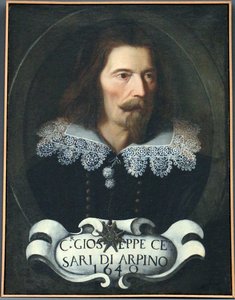
ჯუზეპე ჩეზარი

იტალიელი Born in არპინო მანერიზმი Wikipedia in 14/32 languages

ჯუზეპე ჩეზარი

Signature works · The 100 signature works

35of 71

ფრანჩესკო ბასანო უმცროსი

იტალიელი Born in ბასანო-დელ-გრაპა ვენეციური რენესანსი Wikipedia in 12/32 languages

ფრანჩესკო ბასანო უმცროსი

Within the bustling, cosmopolitan atmosphere of the Venetian Republic, he ascended rapidly through the ranks of the city's elite artistic circles. Conversely, in more mythologically charged pieces like ' The Forge of Vulcan ', he demonstrated a masterful command over light and shadow, using the glow of the forge to create a dramatic, theatrical atmosphere that captivated viewers. This collaborative environment, guided by the meticulous instruction of his father, Jacopo Bassano, allowed him to absorb the nuances of Venetian Mannerism and the burgeoning influences of the Baroque style.

Signature works · The 100 signature works

36of 71

Hendrick De Clerck

Flemish Late Mannerism

Hendrick De Clerck

Early Life & Training: De Clerck’s formative years are shrouded in obscurity, though evidence suggests he received training under Jan Brueghel the Elder, a titan of Flemish landscape painting and a pivotal influence on de Clerck's artistic approach. Among De Clerck’s most celebrated achievements is “The Deposition,” commissioned for St.

Signature works · The 100 signature works

37of 71

ლეანდრო ბასანო

იტალიელი Born in ბასანო-დელ-გრაპა მანიერიზმი Wikipedia in 13/32 languages

ლეანდრო ბასანო

Signature works · The 100 signature works

38of 71

Perino del Vaga

Italian Born in Florence Mannerist Painting Wikipedia in 15/32 languages

Perino del Vaga

Whether depicting the celestial grace of a Madonna with Child or the dramatic tension found in works like The Fall of the Giants, Perino possessed a unique talent for blending the monumental with the delicate.

Signature works · The 100 signature works

39of 71

Stradanus

Flemish Born in Bruges Renaissance, 16th Century Painting Wikipedia in 15/32 languages

Stradanus

In 1550, Stradanus embarked on a transformative journey to Florence, where he entered the service of the Medici family, then one of the most powerful and influential families in Europe. The Metropolitan Museum of Art’s collection features a significant drawing by Stradanus – “ Allegory of America” – offering valuable insight into his artistic vision and providing a tangible connection to this remarkable Florentine master.

Teacher of Antonio Tempesta #56

Signature works · The 100 signature works

40of 71

ილ პორდენონეს

იტალიური Born in ფრიული-ვიზენცა რენესანსის მხატვრობა Wikipedia in 16/32 languages

ილ პორდენონეს

Signature works · The 100 signature works

41of 71

Federico Zuccari

Italian Born in Sant'Angelo in Vado Mannerism Wikipedia in 18/32 languages

Federico Zuccari

Their collaborative spirit yielded masterpieces such as “The Holy Family ” in Palazzo Vecchio, a work that serves as a testament to their unified artistic language. This ambition is perhaps most tangibly felt in Casa Zuccari in Florence, a residence built around 1578.

Signature works · The 100 signature works

43of 71

Cornelis Ketel

Dutch Born in Gouda Mannerism Wikipedia in 13/32 languages

Cornelis Ketel

Encouragement also came from Dirck Crabeth, a celebrated stained-glass artist and brother to Wouter Crabeth, whose wife may have been related to Ketel – suggesting a network of familial support within the artistic community.

Signature works · The 100 signature works

44of 71

Gillis Mostaert

Flemish Born in Hulst Mannerism, Renaissance Wikipedia in 8/32 languages

Gillis Mostaert

The influence of Hieronymus Bosch is also readily apparent in Mostaert’s oeuvre, particularly in compositions derived from tapestries based on Bosch's fantastical creations. Perhaps his most famous work, The Haywain (Allegory on Worldly and Clerical Abuses), exemplifies this inspiration. He played a crucial role in the development of both genre and landscape art within Antwerp, pushing boundaries and inspiring subsequent generations of artists.

Signature works · The 100 signature works

45of 71

ფრანჩესკო ბაკიაკა

Italian Born in ფლორენცია Florentine Mannerism Wikipedia in 11/32 languages

ფრანჩესკო ბაკიაკა

Unlike the balanced compositions favored by his contemporaries, Bacchiacca often employed asymmetrical arrangements, creating a feeling of instability and tension. He was particularly adept at portraying women, imbuing them with a captivating blend of vulnerability and strength. John the Baptist,” now housed in Berlin, and “Ghismonda with Heart of Guiscardo,” a dramatic portrayal of a tragic love story displayed at the Lowe Art Museum in Miami.

Signature works · The 100 signature works

46of 71

შიპიონე პულწონე

Born in გაეტა Wikipedia in 11/32 languages

შიპიონე პულწონე

He developed a refined and detailed approach, characterized by precise rendering and a focus on naturalism. He skillfully balanced Renaissance ideals with emerging Baroque sensibilities.

Signature works · The 100 signature works

47of 71

Santi di Tito

Italian Born in Florence Proto-Baroque & Counter-Maniera Wikipedia in 14/32 languages

Santi di Tito

The legacy of Santi di Tito is etched into the very fabric of Italian art history.

Signature works · The 100 signature works

48of 71

პოლიდორო და Caravaggio

იტალიელი Born in კარავাজিო მანერიზმი Wikipedia in 10/32 languages

პოლიდორო და Caravaggio

Polidoro quickly distinguished himself not within the confines of panel painting or fresco but in a remarkably innovative arena: the decoration of Roman palace facades. Polidoro's skill lay in his ability to translate complex compositions into this challenging medium, creating dynamic friezes that brought classical history and contemporary life vividly to the city’s walls. Though many of his Roman frescoes are lost to time, Polidoro da Caravaggio remains an important and compelling figure in Italian Renaissance history—a testament to the power of artistic innovation and the enduring impact of personal experience on creative expression.

Signature works · The 100 signature works

49of 71

ვინჩენცო კამპი

იტალიელი Born in კრემონა ფლამენდური სტილი / ლომბარდიული ნატურალიზმი Wikipedia in 13/32 languages

ვინჩენცო კამპი

Signature works · The 100 signature works

50of 71

Andrea Schiavone

Italian Born in Zadar Baroque Sculpture; Mannerism Wikipedia in 14/32 languages

Andrea Schiavone

The career of Andrea Schiavone was one of prolific achievement, leaving behind a body of work that includes everything from intimate etchings to monumental religious narratives.

Signature works · The 100 signature works

51of 71

ჯაკაპო ლიგოზი

იტალიელი Born in ვერონა უ поздნური რენესანსი და მანერიზმი Wikipedia in 11/32 languages

ჯაკაპო ლიგოზი

Signature works · The 100 signature works

52of 71

Bartolomeo Passarotti

Italian Born in Bologna Mannerism Wikipedia in 10/32 languages

Bartolomeo Passarotti

The historical significance of Bartolomeo Passarotti lies in his role as a foundational figure for the Carracci Academy and the broader Bolognese tradition.

Signature works · The 100 signature works

53of 71

Andrea Vicentino

Italian Born in Vicenza Late Renaissance/Mannerist Wikipedia in 5/32 languages

Andrea Vicentino

Through his work, the halls of the palace—including the Sala del Senato and Sala dello Scrutinio—were transformed into theatrical stages where history and myth converged.

Signature works · The 100 signature works

54of 71

Jacopo Zucchi

Italian Born in Florence Mannerist Painting Wikipedia in 11/32 languages

Jacopo Zucchi

His works often serve as windows into the complex allegories of the 16th century: Religious Devotion: In pieces such as Allegory of the Creation, Zucchi captures profound moments of divine connection, utilizing dramatic lighting and celestial figures to evoke a sense of awe and religious fervor.

Signature works · The 100 signature works

55of 71

დომენიკო ტინტორეტო

იტალიელი Born in ვენეცია მანერიზმი Wikipedia in 9/32 languages

დომენიკო ტინტორეტო

His work remains a vital testament to the enduring legacy of the Robusti name and the intricate layers of influence that shaped the artistic identity of Venice. Born in Venice around 1560, Domenico grew up amidst the scent of oil paints and the dramatic tension of his father's workshop.

Signature works · The 100 signature works

56of 71

Antonio Tempesta

Italian Born in Florence Mannerism Wikipedia in 11/32 languages

Antonio Tempesta

As a fresco painter, he contributed significantly to some of the most celebrated decorative programs of the age, including works for Villa Lante and Palazzo Farnese. He remains a testament to the interconnectedness of the European art world during the Renaissance and Baroque periods, serving as a bridge between the classical traditions of Italy and the burgeoning artistic spirit of the North.

Pupil of Stradanus #39

Signature works · The 100 signature works

57of 71

ამიკო ასპერტინი

იტალიელი Born in ბოლონია მანერიზმი Wikipedia in 11/32 languages

ამიკო ასპერტინი

Signature works · The 100 signature works

58of 71

Wenzel Jamnitzer

German Born in Vienna Northern Mannerism

Wenzel Jamnitzer

This rigorous training instilled in him a profound understanding of goldsmithing techniques—a craft that demanded precision, artistry, and meticulous attention to detail. Notably, he studied alongside Euclid's Elements and Plato’s Timaeus, texts considered foundational for geometric reasoning and philosophical contemplation – influences that would profoundly shape his later artistic pursuits. Born in Vienna, Italy, Wenzel was the son of Hans Jamnitzer the Elder, a goldsmith who established a tradition of excellence that would continue through subsequent generations.

Signature works · The 100 signature works

60of 71

Domenico Fontana

Italian Born in Melide Late Renaissance

Domenico Fontana

Born in Melide, a small village nestled on the shores of Lake Lugano in Switzerland – a region then caught between Swiss cantons and Italy – in 1543, Fontana’s life was one of relentless innovation and service to the Papal States. The Fontana dell'Acqua Felice (Fountain of Moses), built for Pope Sixtus V, stands as a prime example.

Signature works · The 100 signature works

61of 71

Jan De Beer

Born in Antwerp Antwerp Mannerism Wikipedia in 9/32 languages

Jan De Beer

Though his name fell into obscurity following the end of the sixteenth century, Jan De Beer’s influence endured through the lasting impact of the Antwerp Mannerist style.

Signature works · The 100 signature works

62of 71

Marcello Venusti

Italian Born in Mazzo di Valtellina Mannerist Wikipedia in 10/32 languages

Marcello Venusti

His most celebrated achievement remains the scaled oil copy of the Last Judgment, commissioned by Cardinal Alessandro Farnese.

Signature works · The 100 signature works

63of 71

Toussaint Dubreuil

French Born in Paris Second School Fontainebleau; Mannerism; Italian Art Influence Wikipedia in 8/32 languages

Toussaint Dubreuil

He found endless inspiration in the epic tales of Homer, the poetic explorations of Pierre de Rationale, and the dramatic narratives of Torquato Tasso. His canvases often feature: Heroic Confrontations: Dramatic scenes where figures are caught in moments of intense physical and emotional struggle, utilizing elongated limbs to heighten the sense of tension. Toussaint Dubreuil, a name etched into the delicate fabric of the French Renaissance, stands as a masterful bridge between the structured grandeur of Mannerism and the fluid, emotive grace of Italian influence.

Signature works · The 100 signature works

65of 71

Jacopino del Conte

Italian Born in Florence Mannerist Wikipedia in 10/32 languages

Jacopino del Conte

Beyond his fresco cycles, Conte also produced a series of individual portraits, most notably his portrait of Michelangelo (c. 1540). The “Virgin and Child with Saint Elizabeth and John the Baptist ” (1535), now housed in the Uffizi Gallery, exemplifies this evolution, showcasing a masterful command of perspective, drapery, and emotional expression. Conte's career took a significant turn in 1547-48 when he joined forces with Siciolante da Sermoneta on the ambitious fresco decoration of the chapel of San Remigio in San Luigi dei Francesi.

Signature works · The 100 signature works

66of 71

Paolo Fiammingo

Flemish Born in Antwerp Landscape with mythological and allegorical Wikipedia in 8/32 languages

Paolo Fiammingo

By the time of his death in 1596, Fiammingo had left an indelible mark on the development of the Italianate Flemish School.

Signature works · The 100 signature works

67of 71

Jacques Bellange

French Born in Bassigny Northern Mannerism Wikipedia in 9/32 languages

Jacques Bellange

Though his life was cut short in 1616, Bellange’s influence endured far beyond the borders of Lorraine.

Signature works · The 100 signature works

68of 71

Girolamo Mazzola Bedoli

Italian Born in Parma Mannerist Painting Wikipedia in 8/32 languages

Girolamo Mazzola Bedoli

The significance of Girolamo Mazzola Bedoli extends beyond the individual canvases he left behind.
Signature works · The 100 signature works

69of 71

Lelio Orsi

Italian Born in Novellara Mannerist Wikipedia in 7/32 languages

Lelio Orsi

Born in the small town of Novellara around 1508 or 1511, Orsi navigated an era defined by shifting theological certainties and the complex intellectual currents of humanism.

Signature works · The 100 signature works

70of 71

Michele Tosini

Italian Born in Florence Renaissance and Mannerism Wikipedia in 5/32 languages

Michele Tosini

The historical significance of Michele Tosini lies in his role as a bridge between eras. His work serves as a luminous window into a time when Florence was the epicenter of the art world, reflecting both the spiritual devotion of the early century and the courtly sophistication of the later years. His early training under Lorenzo di Credi and Antonio del Ceraiolo anchored him in the refined traditions of the High Renaissance.

Signature works · The 100 signature works

71of 71

Juan Correa De Vivar

Spanish Born in Mascaraque Renaissance, Mannerism Wikipedia in 6/32 languages

Juan Correa De Vivar

Correa's early commissions, such as the altarpiece for the monastery of Santa María de Guadalupe in Mascaraque (circa 1532-1534), demonstrate a clear adherence to Raphael’s principles – elegant figures, balanced compositions, and harmonious color palettes.

Signature works · The 100 signature works

Signature works

Signature Mannerist works

  1. ელ ესპოლიო, ელ გრეკო-ის მიერ

    ელ ესპოლიო

    ელ გრეკო

  2. The Last Supper

artworks_database

/en/art/jacopo-tintoretto-the-last-supper-8Y3K2M-en/

/media/artworks/images/thumbnails/25/02/2502bd1970854e5ba0ea3fbc3890950e.jpg

Jacopo Tintoretto

A Venetian Master of Drama and Light

Jacopo Tintoretto, born Jacopo, ტინტორეტო-ის მიერ

    The Last Supper artworks_database /en/art/jacopo-tintoretto-the-last-supper-8Y3K2M-en/ /media/artworks/images/thumbnails/25/02/2502bd1970854e5ba0ea3fbc3890950e.jpg Jacopo Tintoretto A Venetian Master of Drama and Light Jacopo Tintoretto, born Jacopo

    ტინტორეტო

    1594 · სან-ჯორჯო მაგორე, ვენეცია

  3. ვერტუმნუსი (ზამთრის ღამე), ჯუზეპე არჩიმბოლდო-ის მიერ

    ვერტუმნუსი (ზამთრის ღამე)

    ჯუზეპე არჩიმბოლდო

    1590 · Skoklosters Slott, Balsta

  4. Ugolino Martelli, ანგელო ბრონზინო-ის მიერ

    Ugolino Martelli

    ანგელო ბრონზინო

    1535

  5. Three children with dog, სოფონისბა ანგისოლა-ის მიერ

    Three children with dog

    სოფონისბა ანგისოლა

    1590 · Corsham Court

  6. Visitation, იაკოპო კარუჩი-ის მიერ

    Visitation

    იაკოპო კარუჩი

    1515

  7. მადონა გრძელი კ neck-ით, პარმიჯანინო-ის მიერ

    მადონა გრძელი კ neck-ით

    პარმიჯანინო

    1534 · უფიციების გალერეა, ფლორენცია

  8. უკანასკნელი სასამართლო (განაყოფიერება), ჯორჯო ვაზარი-ის მიერ

    უკანასკნელი სასამართლო (განაყოფიერება)

    ჯორჯო ვაზარი

    1572 · Duomo, ფლორენცია

A timeline

Mannerist through its signature works

  1. 1515
  2. 1532
  3. 1535
  4. 1540
  5. 1544
  6. 1545
  7. 1551
  8. 1555
  9. 1572
  10. 1585
  11. 1590
  12. 1592
  13. 1595
  14. 1596

Figures

The figures

Every name

List of 71 famous Mannerist მესმენები, every name

  1. 1ელ გრეკოელ გრეკობერძენი-ესპანელი · 1541–1614
  2. 2ტინტორეტოტინტორეტოიტალიელი · 1519–1594
  3. 3ჯუზეპე არჩიმბოლდოჯუზეპე არჩიმბოლდოიტალიელი · 1527–1593
  4. 4ანგელო ბრონზინოანგელო ბრონზინოიტალიელი · 1503–1572
  5. 5სოფონისბა ანგისოლასოფონისბა ანგისოლაიტალიელი · 1532–1625
  6. 6იაკოპო კარუჩიიაკოპო კარუჩიიტალიელი · 1494–1556
  7. 7პარმიჯანინოპარმიჯანინოიტალიელი · 1503–1540
  8. 8ჯორჯო ვაზარიჯორჯო ვაზარიItalian · 1511–1574
  9. 9ჯულიო რომანოჯულიო რომანოიტალიელი · 1499–1546
  10. 10როსო ფიორენტინოროსო ფიორენტინოიტალიელი · 1494–1540
  11. 11სებასტიანო დელ პიომბოსსებასტიანო დელ პიომბოსიტალიური · 1485–1547
  12. 12ჰენდრიკ გოლციუსიჰენდრიკ გოლციუსიჰოლანდიელი · 1558–1617
  13. 13დომენიკო ბეკაფუმიდომენიკო ბეკაფუმიიტალიელი · 1484–1551
  14. 14პიტერ აერცენიპიტერ აერცენიჰოლანდიელი · 1508–1575
  15. 15ბარტოლომეუს სპრანგერიბარტოლომეუს სპრანგერიFlemish · 1546–1611
  16. 16ლავინია ფონტანალავინია ფონტანაიტალიელი · 1552–1614
  17. 17ფედერიკო ბაროჩიფედერიკო ბაროჩიიტალიელი · 1535–1612
  18. 18ჰანს ფონ აახენიჰანს ფონ აახენიგერმანელი · 1552–1615
  19. 19კრისტოფანო ალორიკრისტოფანო ალორიItalian · 1577–1621
  20. 20ალესანდრო ალორიალესანდრო ალორიიტალიელი · 1535–1607
  21. 21ნიკოლო დელ აბატენიკოლო დელ აბატეიტალიელი · 1512–1571
  22. 22ჯოვანი ბატისტა მორონიჯოვანი ბატისტა მორონი1525–1578
  23. 23ბენვენუტო ჩელინიბენვენუტო ჩელინიიტალიელი · 1500–1571
  24. 24ფრანჩესკო დე როსისო (ფრანჩესკო Salviati)ფრანჩესკო დე როსისო (ფრანჩესკო Salviati)იტალიელი · 1510–1563
  25. 25ჯამბოლოღნაჯამბოლოღნაფლამანდი · 1529–1608
  26. 26კარელ فان მანდერი უფროსიკარელ فان მანდერი უფროსიFlemish · 1548–1606
  27. 27დანიელე და ვოლტერადანიელე და ვოლტერაიტალიელი · 1509–1566
  28. 28ჟან გუჟონიჟან გუჟონიფრანგი · 1510–1567
  29. 29პროსპერო ფონტანაპროსპერო ფონტანაიტალიელი · 1512–1597
  30. 30Joachim WtewaelJoachim Wtewaelნიდერლანდელი · 1566–1638
  31. 31ფრანჩესკო პრიმატიჩიფრანჩესკო პრიმატიჩიიტალიელი · 1504–1570
  32. 32ოტო فان ვინოტო فان ვინფლამენდიელი · 1556–1629
  33. 33ლუკა კამბიასოლუკა კამბიასოიტალიური · 1527–1585
  34. 34ჯუზეპე ჩეზარიჯუზეპე ჩეზარიიტალიელი · 1568–1640
  35. 35ფრანჩესკო ბასანო უმცროსიფრანჩესკო ბასანო უმცროსიიტალიელი · 1549–1592
  36. 36Hendrick De ClerckHendrick De ClerckFlemish · 1570–1630
  37. 37ლეანდრო ბასანოლეანდრო ბასანოიტალიელი · 1557–1622
  38. 38Perino del VagaPerino del VagaItalian · 1501–1547
  39. 39StradanusStradanusFlemish · 1523–1605
  40. 40ილ პორდენონესილ პორდენონესიტალიური · 1484–1539
  41. 41Federico ZuccariFederico ZuccariItalian · 1539–1609
  42. 42ჩეჩინო დელ სალვიატიჩეჩინო დელ სალვიატიიტალიელი · 1510–1563
  43. 43Cornelis KetelCornelis KetelDutch · 1548–1616
  44. 44Gillis MostaertGillis MostaertFlemish · 1528–1598
  45. 45ფრანჩესკო ბაკიაკაფრანჩესკო ბაკიაკაItalian · 1494–1557
  46. 46შიპიონე პულწონეშიპიონე პულწონე1550–1598
  47. 47Santi di TitoSanti di TitoItalian · 1536–1603
  48. 48პოლიდორო და Caravaggioპოლიდორო და Caravaggioიტალიელი · 1499–1543
  49. 49ვინჩენცო კამპივინჩენცო კამპიიტალიელი · 1536–1591
  50. 50Andrea SchiavoneAndrea SchiavoneItalian · 1522–1563
  51. 51ჯაკაპო ლიგოზიჯაკაპო ლიგოზიიტალიელი · 1547–1627
  52. 52Bartolomeo PassarottiBartolomeo PassarottiItalian · 1529–1592
  53. 53Andrea VicentinoAndrea VicentinoItalian · 1542–1617
  54. 54Jacopo ZucchiJacopo ZucchiItalian · 1542–1596
  55. 55დომენიკო ტინტორეტოდომენიკო ტინტორეტოიტალიელი · 1560–1635
  56. 56Antonio TempestaAntonio TempestaItalian · 1555–1630
  57. 57ამიკო ასპერტინიამიკო ასპერტინიიტალიელი · 1475–1552
  58. 58Wenzel JamnitzerWenzel JamnitzerGerman · 1507–1585
  59. 59Vincenzo ScamozziVincenzo ScamozziItalian · 1548–1616
  60. 60Domenico FontanaDomenico FontanaItalian · 1543–1607
  61. 61Jan De BeerJan De Beer1475–1528
  62. 62Marcello VenustiMarcello VenustiItalian · 1510–1579
  63. 63Toussaint DubreuilToussaint DubreuilFrench · 1561–1602
  64. 64ტობიას შტიმერიტობიას შტიმერი1539–1584
  65. 65Jacopino del ConteJacopino del ConteItalian · 1510–1598
  66. 66Paolo FiammingoPaolo FiammingoFlemish · 1540–1596
  67. 67Jacques BellangeJacques BellangeFrench · 1575–1616
  68. 68Girolamo Mazzola BedoliGirolamo Mazzola BedoliItalian · 1500–1569
  69. 69Lelio OrsiLelio OrsiItalian · 1508–1587
  70. 70Michele TosiniMichele TosiniItalian · 1503–1577
  71. 71Juan Correa De VivarJuan Correa De VivarSpanish · 1510–1566

Questions

Your questions

Read

Stories on OriginalUniqueArt.com

Other movements

Famous artists of other movements

Other periods

Famous artists across the periods

Discover more

More artists to discover