High Renaissance · 1520
The Transfiguration (detail) (რაფაელ სანტი, 1520)
რაფაელ სანტი (1483–1520)-მა შექმნა The Transfiguration (detail). ის შექმნილ არის 1520 წელს. ის High Renaissance მიძღვნილ სტილს მიეკუთვნება. შესრულებულია Oil On Panel-ით.
- 1520
- Oil On Panel

 წინასწარი ნახვა

 ხელით შესრულებული ზეთប្រეწერი
 გაგზავნა
 გაზიარება
 სპეცფიკაცია


 ჩამოტვირთვა
 მსგავსები
 რენტგენოგრაფიული კვლევა
 სლაიდშოუ
 კითხვა-პასუხი

 სტატისტიკა
The Transfiguration (detail), მოკლედ
- სათაური
- The Transfiguration (detail)
- ავტორი
- რაფაელ სანტი (1483–1520)
- ხატვის წელი და ადგილი
- ურბინო, იტალია
- თარიღი
- 1520
- ტექნიკა
- Oil On Panel
- მოძრაობა
- High Renaissance
- ეპოქა
- Renaissance
- სუბიექტი
- biblical narrative, religious symbolism, divine light, renaissance art, christ figure, mount tabor
რა არის გამოსახული The Transfiguration (detail)-ში?
A Divine Revelation Captured in Light and Color
The Raphael (Raffaello Sanzio Da Urbino)’s *The Transfiguration*, completed in 1520, stands as an unparalleled achievement of High Renaissance artistry—a testament to Raphael’s mastery of perspective, color theory, and humanist ideals. Currently residing within the Pinacoteca Vaticana, this monumental painting transcends mere representation; it embodies a profound spiritual narrative rooted in Christian theology. Commissioned by Cardinal Giulio de' Medici (later Pope Clement VII), *The Transfiguration* exemplifies the artistic fervor that characterized Rome during its papal ascendancy.- Subject Matter: The artwork depicts the biblical episode recounted in Matthew, Mark, and Luke—Jesus’ ascension to Mount Tabor alongside Moses and Elijah. This dramatic scene portrays Christ transforming before his disciples' eyes into a radiant figure bathed in heavenly light, symbolizing divine glory and spiritual transcendence.
- Style & Technique: Raphael skillfully employs pyramidal composition—a hallmark of Renaissance art—to create stability and grandeur. The meticulous attention to detail is evident throughout the painting, from the folds of Christ’s robe to the expressions on the faces of Moses and Elijah, demonstrating Raphael's dedication to anatomical accuracy and realistic portrayal. Fresco technique was utilized, ensuring durability and preserving the vibrancy of color for centuries.
Historical Context: The Renaissance Spirit Embodied
Painted at the apex of the Italian Renaissance—a period marked by intellectual curiosity, artistic innovation, and humanist revival—*The Transfiguration* reflects the broader cultural landscape of its time. Raphael’s work aligns seamlessly with the prevailing fascination for classical ideals and biblical narratives, demonstrating a desire to elevate human experience through contemplation of divine beauty. The painting's placement within the cathedral of S. Giusto in Narbonne underscores its significance as a devotional artwork intended to inspire awe and reverence.
Symbolism: Light, Revelation, and Heavenly Grace
The pervasive luminescence dominating *The Transfiguration* serves as a central symbol—representing divine illumination and spiritual enlightenment. Moses and Elijah, figures revered for their prophetic roles in Jewish tradition, stand alongside Christ, symbolizing law and prophecy respectively – representing the Old Testament and New Testament faiths united. The birds perched atop Mount Tabor are interpreted as emblems of freedom and divine grace, furthering the painting’s overarching message of redemption and spiritual ascension.
Emotional Impact: A Moment Frozen in Time
*The Transfiguration* continues to captivate viewers with its breathtaking beauty and profound emotional resonance. Raphael's masterful manipulation of color—particularly the golden hues illuminating Christ—evokes feelings of serenity, majesty, and spiritual contemplation. The painting’s enduring appeal lies in its ability to convey a timeless narrative of faith, hope, and divine revelation—a masterpiece that secures Raphael’s place among the greatest artists of all time.
Discover More About This Iconic Artwork
For a deeper understanding of *The Transfiguration* and its artistic legacy, explore resources such as Wikipedia (
The Transfiguration (detail)-ის მაღალი გარ Auflხ resolución-ის გამოსახულებები

საჯარო საკუთრება: მხატვარი გარდაიცვალა 1520 წელს.
სხვა ზომები, კადრისრები და ციტირება →რაფაელ სანტი, The Transfiguration (detail) (1520). საჯარო საკუთრება
კითხვები The Transfiguration (detail)-ზე, პასუხები
რა წელს შეიქმნა რაფაელ სანტი-ის „The Transfiguration (detail)“?
რაფაელ სანტი-ის „The Transfiguration (detail)“-ის შექმნის თარიღია 1520.
რა ტექნიკით არის შექმნილი "The Transfiguration (detail)"?
რაფაელ სანტი-მა „The Transfiguration (detail)“-ის შესაქმნელად Oil On Panel ტექნიკა გამოიყენა. აღნიშნული ტექნიკა განსაზღვრავს ორიგინალი ნამუშევრის მატერიალურ ბუნებას.
რას ეხება "The Transfiguration (detail)"?
რაფაელ სანტი-ის „The Transfiguration (detail)“-ზე გამოსახულია: biblical narrative, religious symbolism, divine light, renaissance art, christ figure, mount tabor, holy trinity.
არის თუ არა რაფაელ სანტი-ის „The Transfiguration (detail)“ საჯარო დომენში?
რაფაელ სანტი-ის „The Transfiguration (detail)“ არის საჯარო საკუთრებაშია — საავტორო უფლებები ამოწდა. ეს სტატუსი განსაზღვრავს, თუ როგორ შეიძლება ნამუშევრის გამოსახულების რეპროდუცირება.
ვინ არის „The Transfiguration (detail)“-ის ავტორი?
„The Transfiguration (detail)“ მიკუთვნებულია რაფაელ სანტი-ს.
რომელ სტილს მიეკუთვნება "The Transfiguration (detail)"?
რაფაელ სანტი-ის „The Transfiguration (detail)“-თან დაკავშირებული ხელოვნების მიმდინარეობა არის High Renaissance. ეს კლასიფიკაცია ნამუშევარს მსგავს ხელოვანთა და ქსნეულობათა წრეში ათავსებს.
რაფაელ სანტი-ის შემოქმედების რომელი პერიოდის ნაწილია "The Transfiguration (detail)"?
რაფაელ სანტი-ის შემოქმედების პერიოდში „The Transfiguration (detail)“ Mature Period-ს მიეკუთვნება. ეს ფაზა საშუალებას გვაძლევს, იგი ხელოვანის სხვა ნამუშევრებს შევადაროთ.
რამდენი წლის იყო რაფაელ სანტი, როდესაც „The Transfiguration (detail)“ შეიქმნა?
რაფაელ სანტი-მა „The Transfiguration (detail)“ 37 წლის ასაკში შექმნა. ხელოვანი დაიბადა 1483 წელს, ნამუშევრის თარიღგადასახელება კი 1520-ია.
რას განმარტავს რაფაელ სანტი-ის „The Transfiguration (detail)“-ის საავტორო უფლებებთან დაკავშირებული მდგომარეობა?
რაფაელ სანტი-ის ნამუშევარი „The Transfiguration (detail)“ არის საჯარო საკუთრებაშია — საავტორო უფლებები ამოწდა. საავტორო უფლებების ვადა ითვლება ხელოვანის გარდაცვალებიდან; რაფაელ სანტი კი 1520 წელს გარდაიცვალა.
ხელပاتარში: რაფაელ სანტი

1483–1520, იტალია
რაფაელ სანტი
The Life and Identity of Raphael Raphael, known to history by several names including Raffaello Sanzio, Raffaello Santi, and Raffaello Sanzio da Urbino, was a central figure of the Italian High Renaissance. His life was defined by a dual mastery of painting and architecture, a versatility that allowed him to move seamlessly between the intimate scale of a portrait and the monumental demands of papal construction. He was born in Urbino, Italy, on April 6, 1483, into a world of intellectual and artistic activity. His career was marked by an immense productivity that required the management of a large workshop to meet the needs of his patrons.
რაფაელ სანტი-ის შესახებ რაფაელ სანტი-ის გამორჩეული ნამუშევრები
ასევე რაფაელ სანტი-ის მიერ
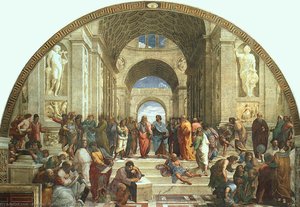 ათენის სკოლა1511
 სისტინის მადონა1513
 ღირსება (რაფაელის "ტრანსფიგურაცია")1520
 წლისთავი1504
ესეები The Transfiguration (detail)-ის შესახებ
 Who Made The Transfiguration? The Story of Raphael's Final MasterpieceDiscover the artist behind The Transfiguration and the dramatic shift in style that defines this High Renaissance masterpiece
 Masterpieces of Perfection: The Top 25 Greatest Artworks by RaphaelJourney through the sublime beauty of the High Renaissance with our curated list of Raphael's top 25 masterpieces. From iconic Madonnas to …
 16th century Italian paintersMasterpieces by Titian, Michelangelo, and Raphael define the Italian Renaissance. Explore the full collection online at OriginalUniqueArt.c…