გადართვა ბეჭდვის რეჟიმზე
 სრული ტექსტის ნახვა







































 ნებისმიერი მხარისთვის 105 სმ-ზე (დაახლოებით 41 ინჩი) მეტი ზომის ხელოვნებული ნამუშევრების ან რეპროდუქციებისთვის, ჩარჩო მოგზავნდება დაშლილ კომპლექტში. ეს მეთოდი უზრუნველყოფს უსაფრთხო მიწოდებას და თავიდან აგაცილებთ ტრანსპორტირებისას შესაძლო დაზიანებას.


A Gnarled Testament: Unraveling the Mysteries of Bosch’s *The Tree-Man*
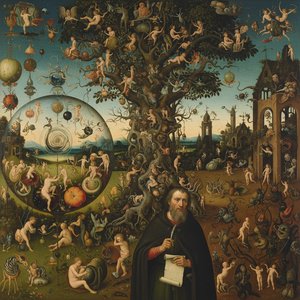
Hieronymus Bosch's *The Tree-Man*, painted around 1505, isn’t merely a painting; it’s an immersion into a fever dream rendered in oil on panel. The image confronts us with a profoundly unsettling scene: a towering figure resembling a tree, seated within a murky waterway, burdened by a small boat and seemingly holding a bird in his hand. Scattered around him are numerous other birds – some soaring, others resting – creating a chaotic yet strangely balanced composition. Two figures, one standing to the left and another closer to the center, observe this bizarre tableau, adding an element of human interaction to the fantastical landscape. This work, shrouded in mystery and brimming with symbolic weight, offers a glimpse into the turbulent mind of one of art history’s most enigmatic artists.
Bosch's Netherlandish Vision: Late Medieval Anxiety
To understand *The Tree-Man*, we must situate it within the broader context of Hieronymus Bosch’s artistic output and the late medieval period. Born in ’s-Hertogenbosch, a town steeped in religious fervor and folklore, Bosch was deeply influenced by the anxieties of his time – a sense of impending doom, moral decay, and the perceived corruption of the Church. His paintings frequently depict scenes of grotesque excess, populated by bizarre creatures, unsettling rituals, and ambiguous allegories. *The Tree-Man* embodies this characteristic style, reflecting a world where the boundaries between reality and nightmare are blurred. The painting’s atmosphere is thick with unease, mirroring the spiritual turmoil prevalent in Europe during the early 16th century.
Symbolism Rooted in Folklore and Christian Allegory
- The Tree-Man Figure: This central figure is arguably the most potent symbol within the painting. The tree itself represents life, growth, and ultimately, mortality. Its human-like form suggests a fallen angel or a corrupted Adam, burdened by sin and trapped in a cycle of earthly existence. The boat he carries could symbolize salvation, but its precarious position hints at an uncertain journey.
- The Birds: The multitude of birds is rich with symbolic meaning. They often represent vanity, folly, and the fleeting nature of earthly pleasures – qualities that Bosch frequently condemned. Their flight suggests a restless spirit, while their resting positions might indicate complacency or spiritual stagnation.
- The Figures in the Background: These observers are deliberately ambiguous. Their presence invites speculation about their role in the scene—are they witnesses to this bizarre spectacle, participants in some hidden ritual, or simply figures caught in Bosch’s unsettling dreamscape?
Bosch masterfully employs a technique known as *sfumato*, creating soft, hazy outlines and blending colors to evoke an atmosphere of mystery and disorientation. The use of vibrant, unnatural hues – particularly the deep greens, browns, and reds – further contributes to the painting’s unsettling effect. He builds up layers of paint with meticulous detail, capturing both the grotesque beauty and the underlying horror of his vision.
Emotional Resonance and Lasting Impact
*The Tree-Man* is not a painting designed for easy contemplation; it demands engagement and invites multiple interpretations. It’s a work that lingers in the mind long after viewing, prompting questions about morality, faith, and the human condition. Bosch's ability to tap into primal fears and anxieties has ensured its enduring fascination. Today, reproductions of *The Tree-Man* continue to captivate audiences, offering a window into the complex and often disturbing world of one of art history’s most original and unsettling geniuses. OriginalUniqueArt offers meticulously crafted hand-painted reproductions that faithfully capture the painting's intricate details and evocative atmosphere, allowing you to experience this masterpiece in stunning detail.
კითხვები და პასუხები
არის თუ არა იერონიმ ბოსხ-ის შემოქმედებისგან „The Tree-Man, c. 1505“ საჯარო საკუთრებაში და რატომ?
„The Tree-Man, c. 1505“-ის საავტორო უფლებების სტატუსი - საჯარო საკუთრებაშია - მისი საავტორო უფლებები ამოწდა - გამომდინარეობს მხატვრის გარდაცვალებიდან, რომელიც მოხდა 1516-ში.
რა ფერებს იყენებს "The Tree-Man, c. 1505"?
იერონიმ ბოსხ-ის „The Tree-Man, c. 1505“ იყენებს Neutrals ფერების პალიტრას. ეს პალიტრა ასკლერავს ნამუშევრის საერთო ფეროვან ხასიათს.
რა არის ძირითადი ფერი, რომელიც იერონიმ ბოსხ-ის „The Tree-Man, c. 1505“-ში დომინირებს?
იერონიმ ბოსხ-ის „The Tree-Man, c. 1505“ ნამუშევრის დომინანტური ფერი Ochre to Sepia-ია. ეს ფერი პალიტრის საფუძვლად მდებარე ტონ ແມ່ນ.
 ნახვა ინტერьерში
 გაგზავნა
 გაზიარება
 დეტალები
 გზამკვლევი

 ჩამოტვირთვა
 მსგავსები
 რენტგენოგრაფიული კვლევა
 სლაიდშოუ
 კითხვა-პასუხი
 სტატისტიკა