
 ნახვა ინტერьерში
 გაგზავნა
 გაზიარება
 დეტალები
 გზამკვლევი

 ჩამოტვირთვა
 მსგავსები
 რენტგენოგრაფიული კვლევა
 სლაიდშოუ
 კითხვა-პასუხი
 სტატისტიკა
Madonna with the Child


 სრული ტექსტის ნახვა
გიკლე / ხელოვნების პრინტი
მუზეუმის დონის ჟიკლე ან ტილოზე ბეჭდვა სწრაფი წარმოებისა და დასრულების მოქნილი ვარიანტებით. ( შეიძინეთ ხელით შესრულებული ნახატი გადასვლა ციფრულ გამოსახულებაზე)




P118B ₾10

P118H ₾10

P118W ₾10

P438Z ₾10

P508JH ₾12

P508YH ₾12

P805H ₾10

P805Z ₾10

P919BZ ₾10

P919G ₾10

P919XJ ₾10

P959ZH ₾10

P968JZ ₾12

W106C ₾8

W218G ₾10

W218JH ₾8

W218Y ₾10

W307PJ ₾10

W316G ₾10

W316PJ ₾8

W316Y ₾10

W398PJ ₾8

W4111J ₾10

W500HY ₾15

W500JH ₾15

W692G ₾12

W849H ₾8

W940BG ₾15

W953PJ ₾8




აირჩიეთ ჩვენს მიერ წინასწარ განსაზღვრული ზომებიდან, რომლებიც ნაწარმოების ორიგინალურ პროპორციებს შეესაბამება.

შეიყვანეთ თქვენთვის საჭირო სიგანე და სიმაღლე, რათა იგი მოერგოს თქვენს ჩარჩოს ან კედელს. ბეჭდვისას შესაძლებელია მხოლოდ მისი შემცირება და არა გაზრდა, ამიტომ სხვა ფორმის ზომის შემთხვევაში გამოსახულება ნაწილობრივ იკარგება. სანამ რაიმეს დაბეჭდავთ, ჩვენ გამოგიგზავნით ციფრულ მაკეტს დასდასტურებლად. ამ გვერდზე ნაჩვენები სურათი არ ასახავს რეალურ ჭრას — ამას მხოლოდ მაკეტი გვიჩვენებს.
მიწოდება მთელ მსოფლიოში () 2 კვირაში, სტანდარტული 4/5 კვირის ნაცვლად. (5 ნოემბერი)

უფასო ექსპრეს მიწოდება მთელ მსოფლიოში

მაღალი ხარისხის ტილო

ტრანსპორტირების სრული დაზღვევა

საბაჟო გადასახადების დაბრუნების გარანტია

ფერების სრული შესაბამისობის გარანტია

დაბრუნების 100-დღიანი პერიოდი (მხოლოდ წარმოების დეფექტის შემთხვევაში)

100% თანხის სრული დაბრუნების გარანტია

ფასდაკლება დიდი რაოდენობით შეკვეთისას
 მინის ჩარჩოს არჩევანი ხელმისაწვდომია მხოლოდ 110 სმ-მდე ზომისთვის

Madonna with the Child
გიკლე / ხელოვნების პრინტი
რეპროდუქციის ზომა
-


ჯამური ღირებულება
₾ 211
A Divine Encounter: The Early Renaissance Vision of Donatello’s Madonna
Donatello's Madonna with the Child, sculpted in 1448 for the High Altar of the Basilica di Sant’Antonio in Padua, isn’t merely a depiction of Mary and Jesus; it’s a profound statement about faith, humanity, and the burgeoning spirit of the Early Renaissance. Far removed from the stylized piety of preceding generations, this sculpture embodies a newfound realism and emotional depth that would forever alter the course of Western art. Commissioned during a period of intense artistic and intellectual ferment in Florence, it reflects a shift towards celebrating human experience within a religious context – a subtle yet revolutionary change.
The statue immediately captivates with its intimate portrayal of the Virgin holding her infant son. Donatello masterfully captures the delicate curve of Mary’s neck as she gazes down at Jesus, his tiny hand resting gently on hers. This isn't a distant, ethereal figure; it’s a mother in palpable connection with her child, radiating warmth and tenderness. The crown adorning Mary’s head – a deliberate reference to the biblical imagery of the Queen of Heaven – subtly elevates her status while simultaneously grounding her in human reality. The inclusion of the scepter and shield further reinforces this duality: she is both divine and profoundly relatable.
- Material & Technique: Crafted from white marble, the sculpture showcases Donatello’s exceptional skill in capturing texture and form. The smooth surface of Mary's robes contrasts beautifully with the slightly rougher texture of Jesus’ skin, creating a dynamic interplay of visual interest.
- Compositional Innovation: Unlike many earlier depictions of the Madonna and Child, Donatello places Mary and Jesus within a relatively shallow space, drawing the viewer directly into their embrace. This intimate arrangement fosters a sense of immediacy and connection.
The Influence of Classical Antiquity
Donatello’s work is deeply rooted in the rediscovery of classical sculpture – a defining characteristic of the Renaissance. He studied the works of ancient Greek and Roman sculptors, particularly their emphasis on human anatomy and realistic portrayal. This influence is evident in the idealized beauty of Mary's figure, reminiscent of classical goddesses. The contrapposto pose—where the weight shifts to one leg, creating a natural curve in the body—is another clear example of this classical inspiration.
However, Donatello doesn’t simply imitate antiquity; he adapts and transforms it to suit his own artistic vision. He imbues the sculpture with a distinctly Christian sensibility, imbuing the figures with an emotional intensity that transcends mere imitation. The subtle expressions on their faces—a hint of serenity in Mary's gaze, a quiet contemplation in Jesus’ expression—speak volumes about the profound spiritual connection between mother and child.
A Window into Renaissance Florence
The Madonna with the Child was created during a period of immense social and political change in Florence. The Medici family, powerful patrons of the arts, were instrumental in fostering an environment where artistic innovation flourished. Donatello’s sculpture reflects this spirit of experimentation and creativity, pushing the boundaries of traditional religious art.
Further research reveals that this piece was part of a larger altarpiece intended for the Basilica di Sant'Antonio, alongside works by other prominent artists like Andrea del Verrocchio and Giovanni di Tura. The entire composition aimed to create a visually stunning and spiritually uplifting experience for worshippers. The presence of other figures – children surrounding Mary – suggests a broader theme of family, community, and divine grace.
Symbolism and Emotional Resonance
Beyond its technical brilliance, the sculpture is rich in symbolism. The crown signifies Mary’s role as Queen of Heaven, while the scepter and shield represent her authority and protection. The inclusion of children reinforces the theme of family and the promise of new life. But perhaps most powerfully, the image evokes a sense of profound love, tenderness, and spiritual connection – emotions that resonate deeply with viewers across centuries.
Today, reproductions of Donatello’s Madonna with the Child continue to inspire artists and designers alike. Its timeless beauty and emotional depth make it a truly remarkable masterpiece of the Early Renaissance—a testament to the enduring power of art to capture the essence of human experience.
კითხვები და პასუხები
როგორ უკავშირდება ერთმანეთს „Madonna with the Child“-ის ფერები?
„Madonna with the Child“-ის ფერების ჰარმონია აღწერილია როგორც Strong Color Unity.
რა არის გამოსახული დონატელო-ის „Madonna with the Child“-ში?
დონატელო-ის „Madonna with the Child“-ში წარმოდგენილი თემები მოიცავს madonna, child, renaissance, sculpture, religion, mary, bronze, italian art-ს. ისინი ერთობლიობაში შეჯამებენ ნამუშევრის შინაარსს.
რა გაჯერებულობასა და ინტენსივობას ავლენს დონატელო-ის „Madonna with the Child“?
დონატელო-ის „Madonna with the Child“-ში ფიქსირდება Muted გაჯერებულობა და Monochromatic ინტენსივობა.
მხატვრის ბიოგრაფია
ადრეული ცხოვრება და კარიერა
დონატო დი ნიკოლო დი ბეტო ბარდი, რომელიც მსოფლიოს დონატელად არის ცნობილი, დაახლოებით 1386 წელს იტალიის ქალაქ ფლორენციაში დაიბადა. მან სიღრმისეულად შეისწავლა კლასიკური სკულპტურა, რამაც უდიდესი გავლენა მოახდინა ადრეული რენესანსის სტილის ჩამოყალიბებაზე. ხელოვნებისა და კულტურისადმი ეს ახლებური მიდგომა საბოლოოდ ფლორენტიული რენესანსის მთავარ ნიშნად იქცა.მთავარი ნამუშევრები და ინოვაციები
დონატელის ყველაზე ცნობილ შემოქმედებას, „დავითს“, ანტიკური ხანის შემდეგ პირველი თავისუფლად მდგარი მამაკაცის შიშველი სკულპტურა წარმოადგენდა. მედიჩების ოჯახის მიერ შეკვეთილმა ამ ნამუშევრმა დონატელის ინოვაციური სტილი და ტექნიკური ოსტატობა ყველას თვალს სადარდოოდ აჩვენა. მის სხვა გამორჩეულ ნამუშევრებს შორის აღსანიშნავია:- წმინდა ლუი ტულუზელი (ამჟამად სანტა კროჩეს ბაზილიკას მუზეუმში), რომელიც დონატელის მიერ შექმნილ კლასიკურ ჩარჩოს შეიცავს.
- ისაკის მსხვერპლშეწირვა, რომელიც ფლორენციის სანტა მარია დელ ფიორეს კამპანილისთვის შეიქმნა და გამოირჩევა პორტრეტული დეტალების სიმძაფრით.
- ჯვარცმა (1425) სანტა კროჩასთვის, სადაც ქრისტე ტანჯვის მომენტში არის გამოსახული.
მხატვრული სტილი და მემკვიდრეობა
დონატელის შემოქმედება შეიძლება რამდენიმე ფაზად დაიყოს, რომელიც დაიწყო ექსპრესიულობისა და კლასიკური მონუმენტურობის განვითარებით. მისი ნამუშევრები საზოგადოების მიერ მაშინვე არ იქნა აღიარებული, თუმცა მოგვიანებით უდიდეს პოპულარობას მოიპოვა და გავლენა მოახდინა სხვა იტალიურ სამარხოებსა და ევროპელ ხელოვანებზე. მთავარი სახელოვნებო მიმდინარეობები:პირადი ცხოვრება და სამუშაო სტილი
დონატელი ცნობილი იყო თავისი კეთილგანწყობითა და სიმხიბლურით, თუმცა მისი კარიერის ბიზნეს მხარე საკმაოდ სუსტი იყო. მას ხშირად უფრო მეტ შეკვეთას იღებდა, ვიდრე შეძლებდა შესრულებას, რის გამოც ნამუშევრებს ხშირად დაგვიანებით ასრულებდა ან სხვა სკუმშტორებს გადასცემდა. აღსანიშნავი ხელოვანები და ნამუშევრები:- ლეონარდო და ვინჩი: მადისმღობელობა (დეტალი)
- ამიკო ასპერტინი: პანის სტატუა / ლომი, რომელიც ცხენს კბილებს უჭერს
- მიკელანჯელო ბუონაროტი: ტონდო პიტტი
მუზეუმები და ხელოვნების კოლექციები:
- კოლეჯატას მუზეუმი (ემპოლი, იტალია): რენესანსის ნкрыლი 보ხატი, რომელიც ფრანჩესკო ბოტнициნისა და რაფაელო ბოტнициნის ნამუშევრებს აერთიანებს.
- ადრეული იტალიური რენესანსის ხელოვნების მიმდინარეობა

დონატელო
1386 - 1466 , იტალია
მოკლე ფაქტები
- Artistic Movement Or Style: ად Frühe Renaissance (ადრეული რენესანსი)
- Artists Or Movements Influenced By This Artist:
- იტალიური რენესანსი
- ადრეული რენესანსი
- ფლორენციული რენესანსი
- Artists Who Influenced This Artist: ['კლასიკური სკულპტურა']
- Date Of Birth: დაახლ. 1386
- Date Of Death: 1466
- Full Name: დონატელო დი ნიკოლო
- Nationality: იტალიელი
- Notable Artworks:
- დავითი
- ტულუზელი წმინდა ლუი
- ისაკის მსხვერპლშეღება
- ჯვარცმა
- Place Of Birth: ფლორენცია, იტალია
მსგავსი სტატიები

The Enduring Legacy of Bronze: A Historical & Artistic Exploration for the Collector
Explore the rich history & enduring appeal of bronze sculpture with expert insights for collectors at OriginalUniqueArt. Learn about casting techniques, iconic artists, collecting tips & contemporary interpretations.

Bronze Age to Modern Masters: 10 Sculptures That Redefined Art | OriginalUniqueArt
Journey through art history with 10 legendary bronze sculptures – from Michelangelo's David to Rodin’s Thinker. Explore the stories, techniques & timeless beauty of these masterpieces. Find museum-quality reproductions & elevate your home decor on OriginalUniqueArt.com.
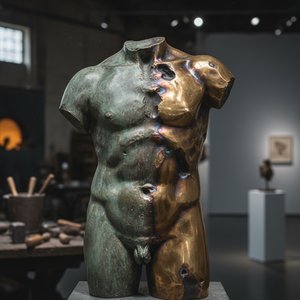
ბრინჯაოს ქანდაკების მარადიული მემკვიდრეობა: ისტორია, ტექნიკა და თანამედროვე ინტერპრეტაციები
გაიგეთ ბრინჯაოს ქანდაკების ისტორია, შექმნის ტექნიკა და თანამედროვე ინტერპრეტაციები. ხელოვნების კოლექციონერებისთვის ექსპერტული მიმოხილვა ინვესტირების პერსპექტივით.

Bronze Sculptures That Defined Art History | OriginalUniqueArt
Journey through art history with our Top 10 bronze sculptures! Explore masterpieces by Rodin, Michelangelo & more. Discover stories behind iconic statues and find museum-quality reproductions for your home decor at OriginalUniqueArt.com.

The Enduring Legacy of Bronze: History, Technique & Artistic Expression for the Collector
Explore the rich history & enduring appeal of bronze sculpture with expert insights for collectors at OriginalUniqueArt. Learn about casting techniques, iconic artists, and collecting tips.