გადართვა ბეჭდვის რეჟიმზე
 სრული ტექსტის ნახვა







































 ნებისმიერი მხარისთვის 105 სმ-ზე (დაახლოებით 41 ინჩი) მეტი ზომის ხელოვნებული ნამუშევრების ან რეპროდუქციებისთვის, ჩარჩო მოგზავნდება დაშლილ კომპლექტში. ეს მეთოდი უზრუნველყოფს უსაფრთხო მიწოდებას და თავიდან აგაცილებთ ტრანსპორტირებისას შესაძლო დაზიანებას.


A Divine Encounter: The Early Renaissance Vision of Donatello’s Madonna
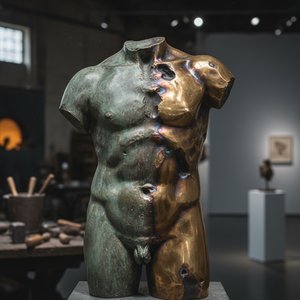
Donatello's Madonna with the Child, sculpted in 1448 for the High Altar of the Basilica di Sant’Antonio in Padua, isn’t merely a depiction of Mary and Jesus; it’s a profound statement about faith, humanity, and the burgeoning spirit of the Early Renaissance. Far removed from the stylized piety of preceding generations, this sculpture embodies a newfound realism and emotional depth that would forever alter the course of Western art. Commissioned during a period of intense artistic and intellectual ferment in Florence, it reflects a shift towards celebrating human experience within a religious context – a subtle yet revolutionary change.
The statue immediately captivates with its intimate portrayal of the Virgin holding her infant son. Donatello masterfully captures the delicate curve of Mary’s neck as she gazes down at Jesus, his tiny hand resting gently on hers. This isn't a distant, ethereal figure; it’s a mother in palpable connection with her child, radiating warmth and tenderness. The crown adorning Mary’s head – a deliberate reference to the biblical imagery of the Queen of Heaven – subtly elevates her status while simultaneously grounding her in human reality. The inclusion of the scepter and shield further reinforces this duality: she is both divine and profoundly relatable.
- Material & Technique: Crafted from white marble, the sculpture showcases Donatello’s exceptional skill in capturing texture and form. The smooth surface of Mary's robes contrasts beautifully with the slightly rougher texture of Jesus’ skin, creating a dynamic interplay of visual interest.
- Compositional Innovation: Unlike many earlier depictions of the Madonna and Child, Donatello places Mary and Jesus within a relatively shallow space, drawing the viewer directly into their embrace. This intimate arrangement fosters a sense of immediacy and connection.
The Influence of Classical Antiquity
Donatello’s work is deeply rooted in the rediscovery of classical sculpture – a defining characteristic of the Renaissance. He studied the works of ancient Greek and Roman sculptors, particularly their emphasis on human anatomy and realistic portrayal. This influence is evident in the idealized beauty of Mary's figure, reminiscent of classical goddesses. The contrapposto pose—where the weight shifts to one leg, creating a natural curve in the body—is another clear example of this classical inspiration.
However, Donatello doesn’t simply imitate antiquity; he adapts and transforms it to suit his own artistic vision. He imbues the sculpture with a distinctly Christian sensibility, imbuing the figures with an emotional intensity that transcends mere imitation. The subtle expressions on their faces—a hint of serenity in Mary's gaze, a quiet contemplation in Jesus’ expression—speak volumes about the profound spiritual connection between mother and child.
A Window into Renaissance Florence
The Madonna with the Child was created during a period of immense social and political change in Florence. The Medici family, powerful patrons of the arts, were instrumental in fostering an environment where artistic innovation flourished. Donatello’s sculpture reflects this spirit of experimentation and creativity, pushing the boundaries of traditional religious art.
Further research reveals that this piece was part of a larger altarpiece intended for the Basilica di Sant'Antonio, alongside works by other prominent artists like Andrea del Verrocchio and Giovanni di Tura. The entire composition aimed to create a visually stunning and spiritually uplifting experience for worshippers. The presence of other figures – children surrounding Mary – suggests a broader theme of family, community, and divine grace.
Symbolism and Emotional Resonance
Beyond its technical brilliance, the sculpture is rich in symbolism. The crown signifies Mary’s role as Queen of Heaven, while the scepter and shield represent her authority and protection. The inclusion of children reinforces the theme of family and the promise of new life. But perhaps most powerfully, the image evokes a sense of profound love, tenderness, and spiritual connection – emotions that resonate deeply with viewers across centuries.
Today, reproductions of Donatello’s Madonna with the Child continue to inspire artists and designers alike. Its timeless beauty and emotional depth make it a truly remarkable masterpiece of the Early Renaissance—a testament to the enduring power of art to capture the essence of human experience.
კითხვები და პასუხები
როგორ უკავშირდება ერთმანეთს „Madonna with the Child“-ის ფერები?
„Madonna with the Child“-ის ფერების ჰარმონია აღწერილია როგორც Strong Color Unity.
რა არის გამოსახული დონატელო-ის „Madonna with the Child“-ში?
დონატელო-ის „Madonna with the Child“-ში წარმოდგენილი თემები მოიცავს madonna, child, renaissance, sculpture, religion, mary, bronze, italian art-ს. ისინი ერთობლიობაში შეჯამებენ ნამუშევრის შინაარსს.
რა გაჯერებულობასა და ინტენსივობას ავლენს დონატელო-ის „Madonna with the Child“?
დონატელო-ის „Madonna with the Child“-ში ფიქსირდება Muted გაჯერებულობა და Monochromatic ინტენსივობა.
 ნახვა ინტერьерში
 გაგზავნა
 გაზიარება
 დეტალები
 გზამკვლევი

 ჩამოტვირთვა
 მსგავსები
 რენტგენოგრაფიული კვლევა
 სლაიდშოუ
 კითხვა-პასუხი
 სტატისტიკა