Előnézet
 Megosztás
 Megosztás
 Részletek
 Útmutató

 Letöltés
 Hasonló darabok
 X-ray felvétel
 Diavetítés
 Statisztika
The source - -
 Oil On Canvas
- WallArt
- Neoclassicism
 1856
1856- 19th Century
 163.0 x 80.0 cm
 Tovább olvasom
Kézzel készített olajfestmény reprodukció
Kézzel festett olajvastú vászon, az Ön által választott méretben és keretben, művészeink készítik meglévőre. ( Váltás nyomtatványra Áttérés digitális képre)




P118B Ft10

P118H Ft10

P118W Ft10

P438Z Ft10

P508JH Ft12

P508YH Ft12

P805H Ft10

P805Z Ft10

P919BZ Ft10

P919G Ft10

P919XJ Ft10

P959ZH Ft10

P968JZ Ft12

W106C Ft8

W218G Ft10

W218JH Ft8

W218Y Ft10

W307PJ Ft10

W316G Ft10

W316PJ Ft8

W316Y Ft10

W398PJ Ft8

W4111J Ft10

W500HY Ft15

W500JH Ft15

W692G Ft12

W849H Ft8

W940BG Ft15

W953PJ Ft8




Válasszon előre meghatározott méreteink közül, amelyek megfelelnek a műalkotás eredeti arányainak.

Ön megadhat saját méreteket egy adott kerethez vagy térhez igazításhoz. Ha a kiválasztott méret nem egyezik az eredeti kép arányával, akkor a műalkotást levágjuk, vagy további kézzel festett elemekkel meghosszabbítjuk a festményt. A gyártás megkezdése előtt küldünk Önnek egy digitális előnézetet jóváhagyásra.
Kérjük, vegye figyelembe, hogy a képernyőn megjelenő előnézet nem tükrözi a tényleges vágást vagy kiterjesztést. Csak az előnézet fog pontosan mutatni a végső kompozíciót.
Bár egyedi méretek állnak rendelkezésre, javasoljuk, hogy válasszon egy méretet az előre meghatározott listából az eredeti arányok megőrzése érdekében.
A rendelést követően a OriginalUniqueArt.com csapata e-mailt küld az ügyfélnek az instrukciókért, és biztosít egy előnézeti képet (mockup).
Világszerte elérhető szállítás () 3-4 hét alatt a szokásos 5 hét helyett. (5 október). A minőség nem kérdőjelezhető.

Ingyenes globális expressz szállítás

Prémium minőségű len vászon

Teljes körű szállítási biztosítás

Vámvisszatérítési Garancia

Tökéletes színarányosság garancia

100 napos visszaküldési garancia (csak gyártási hibás termékek esetén)

100% pénzvisszatérítési garancia

Több darab vásárlásakor kedvezmény
 Az üvegkeretes opció csak 110 cm alatti méretben érhető el

The source - -
Reprodukciós technika
Reprodukció méretei
-


Összesített ár
Ft 93610
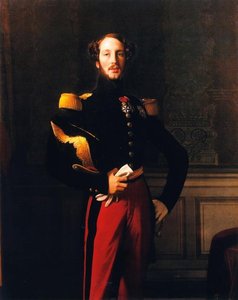
The Source by Jean-Auguste-Dominique Ingres: A Neoclassical Masterpiece
- Artist: Jean-Auguste-Dominique Ingres
- Year: 1856
- Movement: Neoclassicism
- Medium: Oil on Canvas
- Dimensions: 163 x 80 cm (approximately 64 x 31 inches)
Subject and Composition
“The Source” depicts a nude female figure, often interpreted as a nymph or goddess associated with water. She stands gracefully within a lush, dark forest setting, poised to pour water from an amphora into a basin. The cascading water forms a central visual element, creating a dynamic flow that draws the eye downwards through the composition. Ingres masterfully balances the figure's form against the dense foliage and shadowy background, establishing a sense of serene solitude within a natural environment.
Style and Technique
Ingres’s Neoclassical style is evident in the painting’s emphasis on clarity of line, idealized forms, and balanced composition. He meticulously rendered the female figure with anatomical precision, showcasing his exceptional skill in depicting the human form. The use of a rich, dark color palette—dominated by greens and browns—contrasts beautifully with the highlights of white and gold found in the water and the woman’s skin. Ingres employed a smooth, polished technique, minimizing visible brushstrokes to create an illusion of flawless surfaces. This approach aligns with the Neoclassical pursuit of idealized beauty and timeless elegance.
Historical Context and Symbolism
Created towards the end of Ingres' long career (1780-1867), "The Source" reflects a return to classical themes prevalent in 19th-century art. The painting draws inspiration from ancient Greek mythology, specifically imagery associated with nymphs and spring goddesses. Symbolically, the flowing water represents life-giving forces, abundance, and purity. Ingres’s work stood as a deliberate contrast to the burgeoning Romantic movement, which prioritized emotional intensity and dramatic expression over classical restraint. His dedication to academic tradition solidified his position as a leading figure in Neoclassicism.
Emotional Impact and Legacy
“The Source” evokes a sense of tranquility and timeless beauty. The solitary figure within the dark forest creates an atmosphere of quiet contemplation, inviting viewers to reflect on themes of nature, femininity, and renewal. Ingres’s masterful execution and thoughtful composition contribute to the painting's enduring appeal. Today, "The Source" remains one of Ingres’s most celebrated works, admired for its technical brilliance and evocative power, residing in the Musée d'Orsay in Paris.
Gyakran Ismételt Kérdések
Ki készítette a(t): "The source - -"?
A "The source - -" alkotója Ingres. A mű Ingres nevére van katalógusozva.
Melyik évben készült a „The source - -”, Ingres alkotása?
A „The source - -”, Ingres alkotása alkotása 1856-ben készült.
Hány éves volt Ingres, amikor megalkotta a "The source - -" című alkotást?
Amikor a "The source - -" alkotása 1856-ben készült, Ingres – aki 1780-ben született – 76 éves volt.
Elérhető-e letöltés a(z) "The source - -" című alkotáshoz?
A „The source - -”, Ingres alkotása letölthető a mű Letöltés oldaláról, magas felbontású digitális kép letöltés formátumban.
Mekkora a mérete az eredeti „The source - -”, Ingres alkotása alkotásnak?
A „The source - -”, Ingres alkotása eredeti mérete 163 x 80 cm.
Milyen hangulatot hozna létre a "The source - -" egy térben?
A „The source - -”, Ingres alkotása Romantic hangulatot áraszt, és egy Living Room helyiségbe ajánlott. A hangulat az az érzés, amelyet a mű közvetít a környezetében lévő tér felé.
Milyen technikával készült és mikor született meg „The source - -”, Ingres alkotása?
A "The source - -" 1856-ben készült, a Oil On Canvas technikáját alkalmazva. Az anyag és a dátum leírja, hogy az eredeti mű hogyan és mikor készült.
A művész életrajza
A Legacy of Line and Form: The World of Jean-Auguste-Dominique Ingres
Jean-Auguste-Dominique Ingres, a name synonymous with Neoclassical precision and an almost sculptural approach to painting, occupies a unique position in the history of art. Born in Montauban, France, in 1780, his artistic journey was one of unwavering dedication to classical ideals, tempered by a burgeoning sensuality and a willingness to challenge convention. Ingres wasn’t merely replicating the past; he was engaging in a profound dialogue with it, forging a style that would both define an era and anticipate the revolutions to come.
His early life provided a solid foundation for his future artistic pursuits. His father, Jean-Marie-Joseph Ingres, was himself a painter and sculptor, instilling in young Dominique a love for form and technique from a tender age. This initial training was followed by studies at the Académie Royale de Peinture, Sculpture et Architecture in Toulouse, where he honed his skills under Guillaume-Joseph Roques. However, it was his move to Paris in 1797 and subsequent apprenticeship with Jacques-Louis David that truly set him on his path. David, the leading figure of Neoclassicism, imparted a rigorous discipline and an emphasis on line, form, and historical subject matter – principles that would remain central to Ingres’s work throughout his career.
The Pursuit of Ideal Beauty
Ingres' artistic philosophy was deeply rooted in admiration for the Italian Renaissance masters—Raphael, in particular, served as a constant source of inspiration. He believed in the power of line to define form and convey emotion, striving for an idealized beauty that transcended mere representation. This pursuit is evident in his early works, such as The Ambassadors of Agamemnon in the Tent of Achilles (1801), which earned him the prestigious Prix de Rome. The painting showcases his meticulous attention to detail, precise draftsmanship, and a clear narrative focus—hallmarks of Neoclassical style.
However, Ingres wasn’t simply a copyist. He gradually developed a distinctive voice, infusing classical principles with a unique blend of sensuality and psychological insight. His portraits, in particular, demonstrate this evolution. While maintaining the formal elegance characteristic of Neoclassicism, he began to subtly distort forms and spaces, creating an unsettling yet captivating effect that foreshadowed the expressive distortions of later movements like Cubism. Portrait of Monsieur Bertin (1833-1834), with its elongated hands and intense gaze, is a prime example of this innovative approach.
Beyond History: Orientalism and Late Masterpieces
While celebrated for his historical and mythological paintings—like The Vow of Louis XIII (1827)—Ingres also explored other genres, most notably Orientalism. His depictions of exotic scenes and female nudes, such as The Turkish Bath (1862), completed when he was an astonishing 83 years old, reveal a fascination with the sensual and the mysterious. These works, though sometimes criticized for their idealized representations, demonstrate his continued willingness to experiment and push boundaries.
Ingres’s later career saw him navigate a changing artistic landscape. The rise of Romanticism challenged the dominance of Neoclassicism, but Ingres remained steadfast in his commitment to classical ideals while simultaneously incorporating elements of Romantic sensibility into his work. He became a highly influential teacher, shaping the next generation of artists and solidifying his position as a bridge between tradition and modernity.
A Lasting Influence
Jean-Auguste-Dominique Ingres died in Paris in 1867, leaving behind a legacy that continues to resonate today. His emphasis on line, form, and idealized beauty profoundly influenced artists across generations. Remarkably, his work captivated even those who championed radically different styles—artists like Henri Matisse and Pablo Picasso admired his innovative approach to composition and his ability to imbue classical forms with a sense of vitality and emotion.
Ingres’s paintings are now housed in major museums around the world, serving as testaments to his enduring artistic vision. He remains a pivotal figure in art history—a master who not only preserved the traditions of the past but also paved the way for the future. His work invites us to contemplate the nature of beauty, the power of line, and the timeless allure of classical ideals.
Notable Works
- The Ambassadors of Agamemnon in the Tent of Achilles (1801)
- The Vow of Louis XIII (1827)
- Portrait of Monsieur Bertin (1833-1834)
- The Turkish Bath (1862)
- Grande Odalisque (1814)

Ingres
1780 - 1867 , Franciaország
Gyors információk
- Artistic Movement Or Style: Neoklasszicizmus
- Artists Or Movements Influenced By This Artist:
- Matisse
- Picasso
- Artists Who Influenced This Artist:
- David
- Poussin
- Raffaello
- Date Of Birth: 1780. augusztus 29.
- Date Of Death: 1867. jan. 14.
- Full Name: Jean-Auguste-Dominique Ingres
- Nationality: Francia
- Notable Artworks:
- Ambassadorok
- Veszvét
- Bertin portréja
- Török fürdő
- Nagy Odaliszka
- Place Of Birth: Montauban, Francia
Kapcsolódó cikkek

The Enduring Allure of the Nude: A Historical & Artistic Exploration of the Human Form
Explore the captivating history of nude art! Discover iconic paintings & artists from classical to modern eras. Uncover symbolism, techniques & find museum-quality reproductions at OriginalUniqueArt.

The Eloquent Form: A Historical & Aesthetic Exploration of the Nude in Art
Explore the captivating history of the nude in art! From ancient Greece to modern masters, discover its evolving symbolism, techniques & enduring beauty. Expert insights for collectors and enthusiasts.

Serene Waters: A Curated Journey Through the World's Most Iconic Water Lily Masterpieces
Embark on a visual journey through Claude Monet's most iconic water lily masterpieces. Discover the profound beauty of Impressionism, explore the evolution of Giverny's light, and learn how to bring these serene, museum-quality landscapes into your private collection.
Fluid Reflections: Exploring Water's Symbolism in Art History – From Myth to Impressionism
Explore the rich symbolism of water in art history – from ancient myths to Impressionism's fleeting beauty. Discover masterpieces & find your perfect serene artwork with OriginalUniqueArt.com.
Claude Monet 25 Mesterműve: A Fény és a Szín Zsenialitása – OriginalUniqueArt.com
Fedezze fel Claude Monet 25 legikonikusabb mesterművét! Ismerje meg az impresszionizmus zseniális festőjének történetét, a fény és szín varázsát. Vásároljon exkluzív reprodukciókat otthona dekorációjához a OriginalUniqueArt.com-on!