Váltás nyomtatványra
 Összes részlet megjelenítése







































 A bármely oldalsó méretét túlszálaló 105 cm (kb. 41 hüvelyk) meghaladó műalkotások vagy reprodukciók esetében a keret összeszerelhető készletként, szétszerelve kerül szállításra. Ez a módszer biztosítja a biztonságos szállítást, és megakadályozza a szállítás során fellépő sérüléseket.


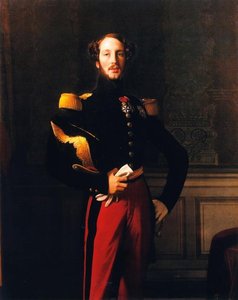
Jean-Auguste Dominique Ingres – A Timeless Study of Male Form
The world of art owes a profound debt to Jean-Auguste Dominique Ingres, a figure whose meticulous approach and unwavering dedication to classical ideals continue to resonate centuries later. His “Male Torso,” created in 1800 and currently housed within the École Nationale Supérieure des Beaux-Arts in Paris, isn’t merely a painting; it's a distillation of Neoclassical principles, a testament to Ingres’s mastery of line, form, and the subtle poetry of human anatomy. This work, rendered with an almost sculptural precision, invites us into a moment of quiet contemplation, offering a glimpse into the artist’s deeply considered process.
Ingres's genius lay in his ability to elevate the seemingly simple act of painting to an art form. He spent years perfecting each piece, imbuing them with a sense of timelessness and profound emotional depth. The “Male Torso” exemplifies this dedication; the subject’s pose – arms crossed deliberately over the chest – immediately conveys a feeling of restrained power and introspective awareness. Notice how Ingres masterfully utilizes light and shadow to sculpt the figure, creating an illusion of three-dimensionality that draws the viewer into the scene. The subtle variations in tone across the skin, the delicate rendering of muscle and bone—all contribute to a remarkable sense of realism achieved through stylized observation.
The Language of Neoclassicism
“Male Torso” is firmly rooted within the Neo-Classical movement, an artistic reaction against the excesses of the Rococo period. Neo-Classicism sought inspiration in the art and architecture of ancient Greece and Rome, emphasizing order, clarity, and idealized beauty. Ingres embraced these principles wholeheartedly, striving for a sense of balance, harmony, and intellectual rigor in his work. The composition itself is carefully structured, with the figure occupying a central position within a shallow space, creating a sense of stability and monumentality.
The strategic use of color further reinforces this Neoclassical aesthetic. The predominantly muted palette – dominated by earthy tones and subtle gradations of red – evokes a sense of gravitas and seriousness. The vibrant red cloth in the foreground serves not only as a visual anchor but also adds a touch of elegance and sophistication, subtly elevating the subject’s status. It's a calculated detail that speaks to Ingres’s understanding of how color can be used to manipulate perception and enhance the overall impact of the artwork.
Symbolism and Intention
Beyond its technical brilliance, “Male Torso” is rich in symbolic meaning. The pose itself—arms crossed, head slightly bowed—suggests a state of self-reflection or perhaps even melancholy. It’s a posture that invites interpretation, prompting the viewer to consider the figure's inner world and contemplate the complexities of human experience. The absence of any discernible narrative context further amplifies this sense of ambiguity, allowing each individual to project their own emotions and associations onto the image.
Ingres’s meticulous attention to detail extends beyond mere representation; he aimed to capture not just a likeness but also an essence—a distillation of human form and spirit. The painting is a meditation on beauty, strength, and vulnerability, rendered with unparalleled skill and artistic vision. It's a work that continues to captivate audiences today, serving as a powerful reminder of the enduring legacy of Neoclassical art.
Owning a Piece of History
OriginalUniqueArt.com offers exquisite, hand-painted reproductions of “Male Torso,” allowing you to bring this iconic masterpiece into your home or studio. These meticulously crafted reproductions faithfully capture the nuances of Ingres’s original work, ensuring that you own an authentic representation of a true artistic treasure. For more information on Jean-Auguste Dominique Ingres and his remarkable career, we encourage you to visit OriginalUniqueArt.com or explore the extensive resources available on Wikipedia.
Kérdések és válaszok
A „Felszaru test”, Ingres alkotása szerzői jogai megengedik a másolatok készítését?
A "Felszaru test" eredeti műve a Beaux-Arts Főiskola gyűjteményében található, az alkotás pedig közösségi tulajdon – a szerzői jog lejártt státuszú.
Milyen méretű "Felszaru test" ajánlott egy Nappali-hoz?
A Nappali helyiségbe a "Felszaru test" alkotáshoz egy Nagy méretű méretű nyomtatást javasoljuk.
Szabadon reprodukálható-e a/az „Felszaru test”, Ingres alkotása képe?
A „Felszaru test”, Ingres alkotása szerzői jogi státusza: a mű közösségi tulajdon – a szerzői jog lejártt. Ez határozza meg, hogy a kép másolatai szabadon készíthetők-e.
 Megtekintés
 Küldés
 Megosztás
 Részletek
 Útmutató

 Letöltés
 Hasonló darabok
 X-ray felvétel
 Diavetítés
 Q&A
Q&A Statisztika