Menü
INGYENES MŰVÉSZETI TANÁCSADÁS
ElőnézetElőnézet AR előnézetAR előnézet Váltás nyomtatványra Váltás nyomtatványraKépváltás Képváltás MegosztásMegosztás
RészletekRészletek Kedvencekhez ad Kedvencekhez ad LetöltésLetöltés Hasonló alkotásokHasonló alkotások X-ray felvételX-ray felvétel DiavetítésDiavetítés

Három nő

Fedezd fel Umberto Boccioni ikonikus művészetét! Ez a nyugodt Futurisztikai tányérképet részletes festési technikával és mély érzelmekkel ábrázolja – egy igaz értékbeli örökség!

Boccioni: A futurista festő, aki a mozgás és a modernitást ábrázolta a képei és szobrai segítségével. Fedezd fel a dinamikus művészetének csodáit! #Boccioni #Futurisztika

Kézzel készített olajfestmény reprodukció

Kézzel festett olajvastú vászon, az Ön által választott méretben és keretben, művészeink készítik meglévőre. (Váltás nyomtatványra Váltás nyomtatványraKépváltás Képváltás)

P118B $10
P118H $10
P118W $10
P438Z $10
P508JH $12
P508YH $12
P805H $10
P805Z $10
P919BZ $10
P919G $10
P919XJ $10
P959ZH $10
P968JZ $12
W106C $8
W218G $10
W218JH $8
W218Y $10
W307PJ $10
W316G $10
W316PJ $8
W316Y $10
W398PJ $8
W4111J $10
W500HY $15
W500JH $15
W692G $12
W849H $8
W940BG $15
W953PJ $8

Standard
custom
CM
INCH

Válasszon előre meghatározott méreteink közül, amelyek megfelelnek a műalkotás eredeti arányainak.

szélesség
magasság

Ön megadhat saját méreteket egy adott kerethez vagy térhez igazításhoz. Ha a kiválasztott méret nem egyezik az eredeti kép arányával, akkor a műalkotást levágjuk, vagy további kézzel festett elemekkel meghosszabbítjuk a festményt. A gyártás megkezdése előtt küldünk Önnek egy digitális előnézetet jóváhagyásra.

Kérjük, vegye figyelembe, hogy a képernyőn megjelenő előnézet nem tükrözi a tényleges vágást vagy kiterjesztést. Csak az előnézet fog pontosan mutatni a végső kompozíciót.
Bár egyedi méretek állnak rendelkezésre, javasoljuk, hogy válasszon egy méretet az előre meghatározott listából az eredeti arányok megőrzése érdekében.

Példák arra, mit lehet módosítani: az arc kicserélése az ügyfél fotójára; háziállat hozzáadása (pl. macska helyett kutya); rejtett üzenet elhelyezése a háttérben; a háttér tájának vagy elemeinek megváltoztatása.
A rendelést követően a OriginalUniqueArt.com csapata e-mailt küld az ügyfélnek az instrukciókért, és biztosít egy előnézeti képet (mockup).

Világszerte elérhető szállítás () 3-4 hét alatt a szokásos 5 hét helyett. (30 július). A minőség nem kérdőjelezhető.

why_choose_icon
Ingyenes globális expressz szállítás
why_choose_icon
Prémium minőségű len vászon
why_choose_icon
Teljes szállítási biztosítás
why_choose_icon
Vámvisszatérítési Garancia
why_choose_icon
Tökéletes színpontosság garancia
why_choose_icon
60 napos visszaküldési lehetőség (csak gyártási hibák esetén)
why_choose_icon
100%-os pénzvisszatérítési garancia
why_choose_icon
Kedvezmény több termény esetén

Összesen

$ 350

reproduction

Három nő

Reprodukciós technika

A reprodukció mérete

-

Összesített ár

$ 350

Rövid tények

  • year: 1909-1910
  • notable_elements: Visible brush strokes, luminosity, melancholy tones, transition from Divisionism to Futurism
  • artist: Umberto Boccioni
  • influences: Divisionist technique, Futurist principles
  • title: Three Women
  • style: Divisionist with Futurist elements
  • dimensions: 180 x 132 cm

Művészeti kvíz

Minden kérdésre csak egy helyes válasz létezik.

Kérdés 1:
Which artistic movement is Umberto Boccioni primarily associated with?
Kérdés 2:
What technique does 'Three Women' primarily employ?
Kérdés 3:
Who are the three women depicted in 'Three Women'?
Kérdés 4:
What is a notable feature of the painting 'Three Women'?

A műalkotás leírása

Three Women by Umberto Boccioni – A Symphony of Divisionist Light

Umberto Boccioni’s “Three Women,” completed in 1910, stands as a cornerstone of Italian Futurism and a poignant exploration of familial intimacy. This captivating artwork resides within a private collection and embodies the artist's masterful fusion of Divisionist technique with the dynamism inherent in the burgeoning modernist movement. Measuring 180 x 132 cm, it’s more than just pigment on canvas; it’s an invitation into a realm of quiet contemplation and subtle emotional resonance.
  • Subject Matter: The painting depicts three women – Cecilia, Boccioni's mother; Amelia, his sister; and Ines, his lover – seated together in serene repose. Their expressions convey a profound sense of melancholy yet tranquility, capturing a moment frozen in time.
  • Style: “Three Women” exemplifies the stylistic evolution of Futurism from Divisionism. While Divisionist painters meticulously separated brushstrokes to achieve luminous color palettes and textural richness, Boccioni embraced Futurism’s rebellious spirit through visible strokes and compositional dynamism.

Divisionist Technique – Fractured Light and Color

Boccioni skillfully employed the Divisionist method—developed by artists like Giovanni Segantini—to imbue “Three Women” with an ethereal glow. Instead of blending colors seamlessly, he applied individual brushstrokes that retained their distinct hues, creating a fragmented yet harmonious visual experience. This technique brilliantly captures the interplay of light and shadow, highlighting the contours of the figures and drapery while fostering a dreamlike atmosphere. The muted color palette—dominated by soft blues, creams, and pale yellows—contributes to this contemplative mood.

Futurist Influence – Embracing Movement and Dynamism

Despite its tranquil subject matter, “Three Women” pulsates with Futurist energy. Visible brushstrokes disrupt the smooth surface of the canvas, mirroring the movement and dynamism championed by Marinetti’s manifesto. This stylistic choice reflects Boccioni's desire to transcend traditional artistic conventions and capture the essence of modernity—the rapid pace of industrialization and urban life—albeit filtered through a lens of familial connection. The triangular composition subtly reinforces this sense of stability amidst motion, symbolizing unity and interconnectedness.

Symbolism – Reflections on Memory and Intimacy

The painting’s symbolism delves deeper than its surface beauty. The arrangement of the women suggests a meditation on memory, heritage, and familial bonds—themes central to Boccioni's artistic vision. Cecilia’s presence embodies wisdom and experience, Amelia represents youthful vitality, and Ines embodies passionate love. The diffused lighting enveloping the figures enhances their warmth and intimacy, inviting viewers to contemplate the complexities of human relationships and the passage of time. “Three Women” remains a testament to Boccioni’s ability to convey profound emotion through understated visual language—a masterpiece that continues to inspire awe and contemplation decades after its creation.

A művész életrajza

A Life Forged in Motion: The Revolutionary Vision of Umberto Boccioni

Umberto Boccioni, born in Reggio Calabria in 1882, was a figurehead of the Italian Futurist movement—a force that sought to shatter artistic conventions and embrace the dynamism of the modern world. His life, though tragically cut short at just thirty-three, became a testament to this fervent belief in progress, speed, and the intoxicating energy of the machine age. Boccioni’s early years were marked by constant relocation due to his father's civil service position, an upbringing that exposed him to diverse landscapes and instilled within him a restless spirit. This nomadic existence eventually led him to Rome, where he initially pursued studies in decorative arts before gravitating towards painting, absorbing influences from the Liberty style poster artists of the time. However, it was his encounter with Futurism, ignited by the writings of Filippo Tommaso Marinetti, that truly set his artistic trajectory ablaze.

Embracing the Whirlwind: The Rise of a Futurist

The year 1910 proved pivotal for Boccioni. He signed the *Manifesto dei Pittori Futuristi*, solidifying his commitment to a movement that celebrated technology, velocity, and even violence as emblems of modernity. This wasn’t merely an aesthetic choice; it was a philosophical rebellion against the weight of tradition, a desire to capture the very essence of a world hurtling towards an uncertain future. Boccioni quickly became one of Futurism's most articulate theorists, expanding upon Marinetti’s initial pronouncements and applying them to the visual arts. He argued for a complete break from representational accuracy, advocating instead for paintings that conveyed not just *what* things looked like, but *how* they felt in motion—the sensation of speed, the fragmentation of form, the overwhelming energy of urban life. His early works, while still hinting at Impressionist and Divisionist influences, began to demonstrate this burgeoning obsession with dynamism. Paintings such as *The City Rises* (1910-1911) are monumental in scale and ambition, depicting the chaotic construction of a modern metropolis—a swirling vortex of human figures, buildings, and machinery that embodies the Futurist ideal. The painting is not simply a depiction of a city; it’s an embodiment of its relentless energy and transformation.

Deconstructing Reality: Technique and Themes

Boccioni’s artistic development was characterized by an increasingly radical approach to form. He moved away from traditional notions of perspective and composition, embracing fragmentation as a means of conveying movement and energy. Objects were broken down into their constituent parts, lines of force radiated outwards, and colors blended in swirling patterns—all designed to create a sense of visual vibration. This deconstruction wasn’t merely stylistic; it was rooted in Boccioni's belief that reality itself was fluid and constantly changing. He sought to represent not the static appearance of things, but their dynamic essence. Key themes emerged throughout his oeuvre: dynamism, the celebration of modernity, and a fascination with the human body as a vehicle for expressing energy and motion. This is powerfully illustrated in works like *Dynamism of a Human Body* (1913), where a figure is depicted not as a solid form but as a series of fragmented shapes suggesting movement through space. The painting captures the fleeting moment of action, conveying a sense of speed and power through its distorted forms and vibrant colors. He experimented with new materials and techniques, pushing the boundaries of traditional art practices. His sculptures, such as *Unique Forms of Continuity in Space* (1913), further explored these ideas, creating three-dimensional representations that captured the sensation of movement and dynamism.

Influences and Artistic Journey

Boccioni’s artistic journey was shaped by a diverse range of influences. Initially, he studied drawing and portraiture, absorbing the techniques of Giacomo Balla, a key figure in the Divisionist movement. This early training instilled in him an appreciation for meticulous detail and careful observation—skills that would later inform his Futurist work. He also spent time in Paris, where he encountered the works of Impressionists and Post-Impressionists, including Seurat and Signac, whose use of pointillism influenced his own approach to color and composition. His travels through Russia exposed him to new artistic ideas and perspectives. Importantly, Boccioni’s early life, marked by frequent relocations due to his father's work, fostered a sense of restlessness and curiosity—qualities that undoubtedly contributed to his revolutionary vision. He was deeply influenced by the writings of Nietzsche, whose philosophy of dynamism and rejection of traditional values resonated with the Futurist ethos.

Legacy and Lasting Impact

Boccioni’s untimely death in 1916, during World War I, tragically cut short a brilliant career. However, his ideas and artworks continued to resonate long after his passing. He profoundly influenced not only subsequent Futurist artists but also movements like Constructivism and Abstract Expressionism. His exploration of motion, dynamism, and the representation of modern life paved the way for new forms of artistic expression, challenging traditional notions of beauty and representation. Boccioni’s work remains a powerful testament to the transformative potential of art—a celebration of speed, technology, and the ever-changing nature of reality. His paintings are not just images; they are experiences – glimpses into a world in constant motion.
  • Influences: Giacomo Balla’s Divisionist techniques, Cubism's fragmentation of form, Nietzsche’s philosophy.
  • Notable Works: *Dynamism of a Human Body*, *Unique Forms of Continuity in Space*, *The City Rises*, *Dynamism of a Cyclist*.
  • Historical Significance: A pivotal figure in 20th-century art, Boccioni challenged artistic conventions and helped shape the course of modern art. His theories on dynamism and the representation of motion continue to inspire artists today.
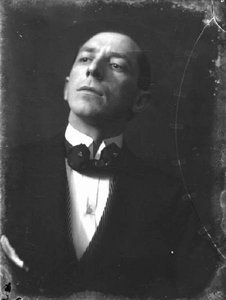
Boccioni

Boccioni

1882 - 1916 , Olaszország

Rövid tények

  • Artistic Movement Or Style: Futurizmus
  • Artists Or Movements Influenced By This Artist:
    • Konstruktivizmus
    • Képzeletművészet
  • Artists Who Influenced This Artist:
    • Giacomo Balla
    • Divizionizmus
    • Kubizmus
  • Date Of Birth: 1882-10-19
  • Date Of Death: 1916-08-17
  • Full Name: Umberto Boccioni
  • Nationality: Olasz
  • Notable Artworks:
    • A Humán Test Dinamizmusa
    • Egyedi Formák Folytathatóságában
    • A Város Emelkedik
  • Place Of Birth: Reggio Calabria, Olaszország
Fedezze fel a műalkotásokat témák, stílusok és jellemzők szerint csoportosítva.