A város felépítése

Olajfestmény vászonon
Falfeliratok és faldekoráció
Futurist Painting
1910
Modern
Modern Művészeti Múzeum (New York)
Kézzel készített olajfestmény reprodukció
Kézzel festett olajvastú vászon, az Ön által választott méretben és keretben, művészeink készítik meglévőre. ( Nyomat rendelése
Kép letöltése)
P118B $10
P118H $10
P118W $10
P438Z $10
P508JH $12
P508YH $12
P805H $10
P805Z $10
P919BZ $10
P919G $10
P919XJ $10
P959ZH $10
P968JZ $12
W106C $8
W218G $10
W218JH $8
W218Y $10
W307PJ $10
W316G $10
W316PJ $8
W316Y $10
W398PJ $8
W4111J $10
W500HY $15
W500JH $15
W692G $12
W849H $8
W940BG $15
W953PJ $8
Válasszon előre meghatározott méreteink közül, amelyek megfelelnek a műalkotás eredeti arányainak.
Ön megadhat saját méreteket egy adott kerethez vagy térhez igazításhoz. Ha a kiválasztott méret nem egyezik az eredeti kép arányával, akkor a műalkotást levágjuk, vagy további kézzel festett elemekkel meghosszabbítjuk a festményt. A gyártás megkezdése előtt küldünk Önnek egy digitális előnézetet jóváhagyásra.
Kérjük, vegye figyelembe, hogy a képernyőn megjelenő előnézet nem tükrözi a tényleges vágást vagy kiterjesztést. Csak az előnézet fog pontosan mutatni a végső kompozíciót.
Bár egyedi méretek állnak rendelkezésre, javasoljuk, hogy válasszon egy méretet az előre meghatározott listából az eredeti arányok megőrzése érdekében.
A rendelést követően a OriginalUniqueArt.com csapata e-mailt küld az ügyfélnek az instrukciókért, és biztosít egy előnézeti képet (mockup).
Világszerte elérhető szállítás () 3-4 hét alatt a szokásos 5 hét helyett. (16 augusztus). A minőség nem kérdőjelezhető.
Ingyenes globális expressz szállítás
Prémium minőségű len vászon
Teljes körű szállítási biztosítás
Vámvisszatérítési Garancia
Hiteles színpontosság garancia
60 napos visszaküldési lehetőség (csak hibás termékek esetén)
100% pénzvisszatérítési garancia
Több darab vásárlása esetén kedvezmény
A város felépítése
Reprodukciós technika
Reprodukció mérete
-
Összesített ár
$ 300
A műalkotás leírása
A tárgyalódás és a kompozíció
Ez a lenyűgöző mű egy dinamikus építkezési jelenetén keresztül ragadja meg élesen a 20. század eleji városi élet energikus pulzusát. A kompozíció az erőteljes munkálkodásban lévő emberek és lovak ábrázolásával hangsúlyozza azt a könyörtelen mozgást és fejlődést, amely meghatározi a modern városfejlődést. A jelenet az emberi munkaerő és a technológiai haladás ünnepe, bemutatva azt a lüktető aktivitást, amely az új városi tájak növekedését táplálja. Erőteljes képi világát pedig arra hívja a nézőket, hogy gondolkodjanak az ipar átalakító erejéről és a modernizáció felé mutatott rendíthetetlen törekvésről.Stílus és technika
Az 1910-ben készült alkotás a futurista mozgalom forradalmi szellemét példázza. A művész bátor, kifejező ecsetvonatokat és vibráló, kontrasztos színpaletát alkalmaz, hogy mozgás és vitalitás érzetét keltsen. A vastag, texturált festékfelhasználás haptikus minőséget ad a műnek, kiemelve a jelenet nyers energiáját. A kompozíció dekonstruált formákat és egy fényképezettnél kissé laposabb perspektívát mutat, amelyek a futurista és korai modernista művészetre jellemző technikák, melyek célja a sebesség, a dinamizmus és a városi élet káoszának átadása. Ez a megközelítés olyan alkotást eredményez, amely egyszerre vizuálisan lenyűgöző és érzelmileg töltött.Történelmi kontextus és jelentőség
A gyors iparosodás és városi terjeszkedés időszakában született festmény tükrözi a futurista mozgalom optimizmusát és lelkesedését. Az Umberto Boccioni gibi vízióທີ művészek vezetésével a futurizmus törekedett a hagyományos művészeti konvenciók megtörésére és a modern élet energiájának ünneplésére. Ez a mű, amely eredetileg „Il lavoro” (A munka) címet viselt, az egyik első jelentős futurista festmény volt, megörökítve az korszakot meghatározó innováció és fejlődés szellemét. Hatása túlmutatott a művészet határain, új perspektívákat inspirálva a technológiáról, a sebességről és a városok jövőjéről.Szimbolizmus és érzelmi hatás
A konstrukció szó szerinti ábrázolása túlmutat azon, az alkotás az emberi erőfeszítést, a kollektív előrehaladást és a modern civilizáció megállíthatatlan lendületét szimbolizálja. A förögő formák és az intenzív ecsetvezetés izgalommal, sürgetéssel és egy közös cél kitartásával töltik meg a tekintet, éreztetve a kollektív céltudat fontosságát. A nézők és a gyűjtők számára ez a darab érzelmi kapcsolódást kínál egy történelmi fordulóponthoz – az emberi találékonyság és a növekedés iránti rendíthetetlen törekvés ünnepéhez. Energikus kompozíciója és élénk színei lenyűgöző központszereplővé teszik, amely bármely teret éltetővé varázsol.Tökéletes gyűjtőknek és belsőépítészethez
Ideális művészkedvelőknek, gyűjtőknek és belsőépítészeknek, akik egy karakteres alkotást keresnek, ez a reprodukció a futurizmus forradalmi szellemét hozza a kortárs környezetekbe. Bátor vizuális nyelve remekül kiegészíti a modern, ipari vagy eklektikus terek kialakítását, hozzáadva a történelmi jelentőség és a művészeti innováció érintettségét. Legyen szó magángyűjteményről vagy nyilvános térről, ez a mű erőteljes emlékeztetőként szolgál a művészet és az ipar átalakító erejére, lenyűgöző tekintetet és beszélgetésindító impulzust nyújtva.A művész életrajza
A Life Forged in Motion: The Revolutionary Vision of Umberto Boccioni
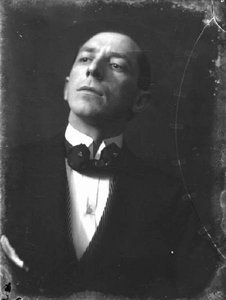
Umberto Boccioni, born in Reggio Calabria in 1882, was a figurehead of the Italian Futurist movement—a force that sought to shatter artistic conventions and embrace the dynamism of the modern world. His life, though tragically cut short at just thirty-three, became a testament to this fervent belief in progress, speed, and the intoxicating energy of the machine age. Boccioni’s early years were marked by constant relocation due to his father's civil service position, an upbringing that exposed him to diverse landscapes and instilled within him a restless spirit. This nomadic existence eventually led him to Rome, where he initially pursued studies in decorative arts before gravitating towards painting, absorbing influences from the Liberty style poster artists of the time. However, it was his encounter with Futurism, ignited by the writings of Filippo Tommaso Marinetti, that truly set his artistic trajectory ablaze.Embracing the Whirlwind: The Rise of a Futurist
The year 1910 proved pivotal for Boccioni. He signed the *Manifesto dei Pittori Futuristi*, solidifying his commitment to a movement that celebrated technology, velocity, and even violence as emblems of modernity. This wasn’t merely an aesthetic choice; it was a philosophical rebellion against the weight of tradition, a desire to capture the very essence of a world hurtling towards an uncertain future. Boccioni quickly became one of Futurism's most articulate theorists, expanding upon Marinetti’s initial pronouncements and applying them to the visual arts. He argued for a complete break from representational accuracy, advocating instead for paintings that conveyed not just *what* things looked like, but *how* they felt in motion—the sensation of speed, the fragmentation of form, the overwhelming energy of urban life. His early works, while still hinting at Impressionist and Divisionist influences, began to demonstrate this burgeoning obsession with dynamism. Paintings such as *The City Rises* (1910-1911) are monumental in scale and ambition, depicting the chaotic construction of a modern metropolis—a swirling vortex of human figures, buildings, and machinery that embodies the Futurist ideal. The painting is not simply a depiction of a city; it’s an embodiment of its relentless energy and transformation.Deconstructing Reality: Technique and Themes
Boccioni’s artistic development was characterized by an increasingly radical approach to form. He moved away from traditional notions of perspective and composition, embracing fragmentation as a means of conveying movement and energy. Objects were broken down into their constituent parts, lines of force radiated outwards, and colors blended in swirling patterns—all designed to create a sense of visual vibration. This deconstruction wasn’t merely stylistic; it was rooted in Boccioni's belief that reality itself was fluid and constantly changing. He sought to represent not the static appearance of things, but their dynamic essence. Key themes emerged throughout his oeuvre: dynamism, the celebration of modernity, and a fascination with the human body as a vehicle for expressing energy and motion. This is powerfully illustrated in works like *Dynamism of a Human Body* (1913), where a figure is depicted not as a solid form but as a series of fragmented shapes suggesting movement through space. The painting captures the fleeting moment of action, conveying a sense of speed and power through its distorted forms and vibrant colors. He experimented with new materials and techniques, pushing the boundaries of traditional art practices. His sculptures, such as *Unique Forms of Continuity in Space* (1913), further explored these ideas, creating three-dimensional representations that captured the sensation of movement and dynamism.Influences and Artistic Journey
Boccioni’s artistic journey was shaped by a diverse range of influences. Initially, he studied drawing and portraiture, absorbing the techniques of Giacomo Balla, a key figure in the Divisionist movement. This early training instilled in him an appreciation for meticulous detail and careful observation—skills that would later inform his Futurist work. He also spent time in Paris, where he encountered the works of Impressionists and Post-Impressionists, including Seurat and Signac, whose use of pointillism influenced his own approach to color and composition. His travels through Russia exposed him to new artistic ideas and perspectives. Importantly, Boccioni’s early life, marked by frequent relocations due to his father's work, fostered a sense of restlessness and curiosity—qualities that undoubtedly contributed to his revolutionary vision. He was deeply influenced by the writings of Nietzsche, whose philosophy of dynamism and rejection of traditional values resonated with the Futurist ethos.Legacy and Lasting Impact
Boccioni’s untimely death in 1916, during World War I, tragically cut short a brilliant career. However, his ideas and artworks continued to resonate long after his passing. He profoundly influenced not only subsequent Futurist artists but also movements like Constructivism and Abstract Expressionism. His exploration of motion, dynamism, and the representation of modern life paved the way for new forms of artistic expression, challenging traditional notions of beauty and representation. Boccioni’s work remains a powerful testament to the transformative potential of art—a celebration of speed, technology, and the ever-changing nature of reality. His paintings are not just images; they are experiences – glimpses into a world in constant motion.- Influences: Giacomo Balla’s Divisionist techniques, Cubism's fragmentation of form, Nietzsche’s philosophy.
- Notable Works: *Dynamism of a Human Body*, *Unique Forms of Continuity in Space*, *The City Rises*, *Dynamism of a Cyclist*.
- Historical Significance: A pivotal figure in 20th-century art, Boccioni challenged artistic conventions and helped shape the course of modern art. His theories on dynamism and the representation of motion continue to inspire artists today.
Boccioni
1882 - 1916 , Olaszország
A művészről röviden
- Artistic Movement Or Style: Futurizmus
- Artists Or Movements Influenced By This Artist:
- Konstruktivizmus
- Képzeletművészet
- Artists Who Influenced This Artist:
- Giacomo Balla
- Divizionizmus
- Kubizmus
- Date Of Birth: 1882-10-19
- Date Of Death: 1916-08-17
- Full Name: Umberto Boccioni
- Nationality: Olasz
- Notable Artworks:
- A Humán Test Dinamizmusa
- Egyedi Formák Folytathatóságában
- A Város Emelkedik
- Place Of Birth: Reggio Calabria, Olaszország

Az üvegkeretes opció csak 110 cm alatti méretben érhető el