Late Medieval, one artist at a time

99 Famous Late Medieval Taiteilijat Who Shaped the Movement

Simone Martini (1284–1344) is the most famous Late Medieval taiteilija, whose singular vision gave us Ilmestys ja kaksi pyhimystä ja Annunciation with St. Margaret and St. Ansanus. Next stand Andrei Rubljov, Ambrogio Lorenzetti, Pietro Lorenzetti ja Hubert Van Eyck. These 99 taiteilijat, from Yuan Dynasty (born 1271) to Hubert Van Eyck (born 1366), came from 21 countries.

Our selection. Artists whose works our catalogue attaches to Late Medieval, in the order of our fame ranking. Artists born after 1955 with no Wikidata identifier stay out until verified. The Wikipedia figure counts our 32 languages with an article on the artist.

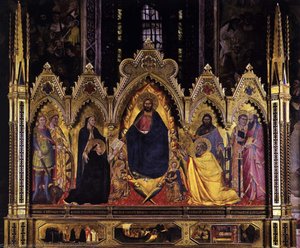
  1. Ilmestys ja kaksi pyhimystä, teos, jonka on tehnyt Simone Martini1Simone Martini
  2. Deesis Range: The Archangel Michael, teos, jonka on tehnyt Andrei Rubljov2Andrei Rubljov
  3. Hyvän hallinnon vaikutukset kaupunkielämään, teos, jonka on tehnyt Ambrogio Lorenzetti3Ambrogio Lorenzetti

In brief

Late Medieval in brief

  • 99Taiteilijat
  • 1271–1366Syntymävuodet
  • 21Syntymämaat
  • 1Naiset
  • 5Nykypäivän taiteilijat
  • 1 514Teoksia valikoimassamme
Eniten syntyneitä kaupungit
Siena (13), Florence (11), Firenze (5), Modena (3)
Museot, joissa on eniten keskeisiä teoksia
Metropolitan Museum of Art (19), Galleria degli Uffizi (5), National Gallery of Art (5), Yale University Art Gallery (4)
Tämän listan naiset
Mother Julian

One artist at a time

99 Late Medieval Taiteilijat and their signature works

1of 99

Simone Martini

Italialainen Born in Siena Kansainvälinen gotiikka Wikipedia in 28/32 languages

Simone Martini

Saint Louis of Toulouse Crowning His Brother Robert of Anjou, 1317. Saint Louis of Toulouse Crowning His Brother Robert of Anjou, 1317. Vuonna 1342 hän viimeisteli Christ Discovered in the Temple -maalauksen, jonka löytää Liverpoolin Walker Art Gallery -museosta.

Teacher of Lippo Memmi #10

Signature works · The 100 signature works

2of 99

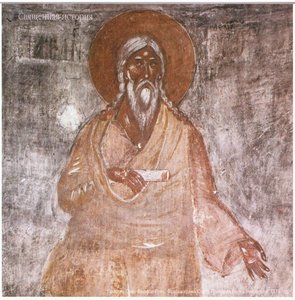
Andrei Rubljov

Venäläinen Born in Moskovan ruhtinaskunta Venäläinen ikonimaalaus Wikipedia in 31/32 languages

Andrei Rubljov

Andrei Rublev (n. 1360 – n. 1430) säilyy yhtenä venäläisen taidehistorian arvoituksellisimmista ja syvimmistä vaikutusvaltaisista hahmoista. Hänen uskotaan syntyneen Moskovaan, vaikka jotkut kertomukset viittaavat mahdolliseen alkuperään lähellä kaupunkia sijaitsevassa Kolminaisuuden Pyhän Sergiuksen Lavra -luostarissa – paikassa, joka olisi voinut syvästi vaikuttaa hänen taiteelliseen kehitykseensä. Vuonna 1405 hän yhdisti voimansa Teofaniksen ja Gorodetsin Prokhorin kanssa koristellakseen Ilmoituksen katedraalia, mikä oli käännekohta venäläisessä ikonimaalauksessa.

Signature works · The 100 signature works

3of 99

Ambrogio Lorenzetti

Italialainen Born in Siena Sienalaisen koulukunnan Wikipedia in 29/32 languages

Ambrogio Lorenzetti

Ambrogio Lorenzetti, jonka syntymäaika sijoittuu noin vuoteen 1290 Sienan sydämessä Italiassa, kohosi keskeiseksi hahmoksi siirtyessä keskiaikaisista taiteellisista perinteistä nousevaan renessanssiin. Vaikka hänen aikalaistensa, kuten Duccion ja Simon Martinin, varjoissa hän oli ajoittain unohduksessa, ja häntä käsiteltiin usein veljensä Pietro Lorenzettin rinnalla, Ambrogio löysi oman ainutlaatuisen polkunsa – polun, jota leimasi innovatiivinen henki ja syvällinen sitoutuminen ympäröivään maailmaan.

Signature works · The 100 signature works

4of 99

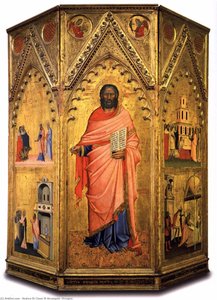
Pietro Lorenzetti

italialainen Born in Siena Varhaisrenessanssi Wikipedia in 27/32 languages

Pietro Lorenzetti

Sienassa noin vuonna 1280 syntyneen Lorenzettin taiteellinen matka avautui Toscanan eläväisen kulttuurimaiseman keskellä aikana, jolloin vallitsi merkittävä älyllinen ja taiteellinen murros. Vaikka elämäkerralliset yksityiskohdat ovat yhtä katoavia kuin varjot hämärässä freskossa – mikä on tyypillistä hänen aikakautensa taiteilijoille – tutkijoiden konsensus viittaa siihen, että Sienan kuuluisan mestarin Duccio di Buoninsegna sekä Simone Martinin hienostunut tyyli vaikuttivat syvästi Lorenzettin esteettiseen makuun.

Signature works · The 100 signature works

5of 99

Hubert Van Eyck

Alankomaalainen Born in Maaseik Varhaisnetteläinen Wikipedia in 20/32 languages

Hubert Van Eyck

Tämän muutoksen ytimessä seisoi Hubert van Eyck, hahmo, jonka nimi on ikuistettu pohjoisen renessanssin taiteen peruskiviin. Maasikissa noin vuonna 1385 tai 1390 syntynyt hän kuului mahtavaan taiteelliseen dynastiaan; hänen perhesiteensä, mukaan lukien kuuluisa veli Jan sekä sisarukset Lambert ja Margaret, loivat luovuuden sulatteen, joka muutti pysyvästi eurooppalaisen maalaustaiteen suunnan.

Signature works · The 100 signature works

6of 99

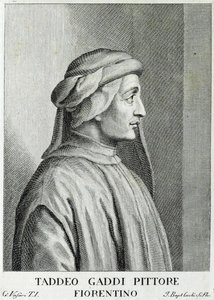
Taddeo Gaddi

italialainen Born in Firenze Varhaisrenessanssi Wikipedia in 23/32 languages

Taddeo Gaddi

Yhtenä legendaarisen Giotto di Bondonen arvostetuimmista oppilaista Gaddi ei ainoastaan perinyttä tyyliä; hän laajensi aikansa visuaalista sanastoa. Gaddin taiteelliset perusteet olivat syvällä Gioton työpajassa, jossa hän oppi chiaroscuro -tekniikan merkityksen ja kyvyn kuvata hahmoja fyysisen läsnäolon tuntua luoden.

Teacher of Agnolo Gaddi #7, Jacopo Del Casentino (Jacopo Landino) #51

Signature works · The 100 signature works

7of 99

Agnolo Gaddi

Italian Born in Firenze Gothic, Early Renaissance Wikipedia in 20/32 languages

Agnolo Gaddi

The indelible imprint of Giotto is palpable throughout Gaddi’s formative works. This wasn’t to suggest abandonment of naturalism; rather, Gaddi layered Giotto's foundational approach with a sophisticated stylistic nuance reflecting the evolving tastes of Florentine society. Agnolo Gaddi, born around 1350 in Florence, stands as a cornerstone of Italian painting’s transition from the Gothic to the Early Renaissance—a figure whose artistic lineage traced directly back to Giotto di Bondone solidified his place within Florentine art history.

Pupil of Taddeo Gaddi #6

Signature works · The 100 signature works

8of 99

Kreikkalainen Teofanes

Kreikkalainen Born in Konstantinopoli Bysanttilainen ikonografia Wikipedia in 22/32 languages

Kreikkalainen Teofanes

Noin vuonna 1340 Konstantinopolissa syntynyt, vaikka hänet yhdistetäänkin usein Kreikkaan myöhempien toimintojensa vuoksi, Teofanes oli keskeinen hahmo, joka loi sillan bysanttilaisen taiteen viimeisen kukoistuksen ja Venäjän nousevien perinteiden välille. Hän ei ollut pelkkä maalaaja; hän oli hengellinen arkkitehti, joka loi kuvia, joiden tarkoitus ei ollut olla vain kauniita esineitä, vaan portteja jumalalliseen. 1300-luvun lopun poliittinen levottomuus johti todennäköisesti Teofanesin muuttoon Konstantinopolista.

Signature works · The 100 signature works

9of 99

Paolo Veneziano

italialainen Born in Venetsia bysanttilainen vaikutus & goottilainen taide Wikipedia in 15/32 languages

Paolo Veneziano

Paolo Veneziano (n. 1333–1358) seisoo monumentaalisena hahmona venetsialaisen taiteen historiassa, ja hänet tunnetaan maailmanlaajuisesti 14. vuosisadan tärkeimpänä venetsialaisena maalarina. Syntynyt taiteelliseen sukuun itse Venetsian sydämessä – hänen isänsä oli kuuluisa taiteilija – Venezianon lyhyt mutta loistava ura osui eurooppalaisen maalaustaiteen murrosvaiheeseen.

Signature works · The 100 signature works

10of 99

Lippo Memmi

Italialainen Born in Siena Kansainvälinen goottilaisuus Wikipedia in 17/32 languages

Lippo Memmi

Lippo Memmi, syntynyt noin vuonna 1291 Sienassa Italiassa, on keskeinen hahmo keskiaikaisen maalaustaiteen bysanttilaisista juurista nousevan kansainvälisen goottilaisen tyylin kehityksessä. Vaikka hänestä puhutaan usein hänen kuuluisan lankonsa ja mentorinsa Simone Martinin yhteydessä, viimeaikainen tutkimus tunnustaa yhä enemmän Memmin omaleimaisen taiteellisen äänen ja merkittävän panoksen 1300-luvun sienalaiseen taiteeseen. Ehkä tunnetuin niistä on Ilmoitus Pyhän Margaretin ja Pyhän Ansanuksen kanssa (1333), joka luotiin yhteistyössä Simone Martinin kanssa Uffizin gallerialle.

Pupil of Simone Martini #1

Signature works · The 100 signature works

11of 99

Altichiero Da Zevio

italialainen Born in Zevio Gotiikka Wikipedia in 20/32 languages

Altichiero Da Zevio

Noin vuonna 1330 syntynyt Altichiero Da Zevio, joka kotoisin läheisestä Zevion kaupungista Veronasta, ei ollut pelkkä pyhien tapahtumien kronikoija, vaan venetsialaisen goottilaisen tyylin edelläkävijä. Tämä yhteys, joka todennäköisesti syntyi Giotton oppilaiden, kuten Taddeo Gaddin, intiimin tutkimuksen kautta, antoi Altichierolle mahdollisuuden täyttää työnsä syvällä tilan, painon ja narratiivisen selkeyden tunteella, joka oli vallankumouksellista hänen aikanaan. Hänen nousunsa merkittävyyteen oli leimattu arvokas tilaus Sala del Podestà -salin koristeluun della Scala -palatsissa.

Signature works · The 100 signature works

12of 99

Spinello Aretino

Italia Born in Arezzo Yhteys Giotton ja Sienan koulakunnan välillä Wikipedia in 16/32 languages

Spinello Aretino

Born into a family of Florentine goldsmiths, his true name was Spinello Di Luca Spinelli, but he became known to history by the moniker "Aretino," signifying his connection to Arezzo.

Pupil of Jacopo Del Casentino (Jacopo Landino) #51 · Teacher of Lorenzo di Bicci #32

Signature works · The 100 signature works

13of 99

Bernardo Daddi

italialainen Born in Firenze Varhaisrenessanssi Wikipedia in 17/32 languages

Bernardo Daddi

Bernardo Daddi, joka syntyi Firenzeに noin vuonna 1290 ja kuoli vuonna 1348, seisoo keskeisenä hahmona myöhäisgotiikan ja kukoistavan italialaisen renessanssin murrosvaiheessa. Hänen alkutuotantonsa osoittaa selvän yhteyden Gioton seuraajiin – mestareihin kuten "Santa Cecilian mestari" ja muihin 1300-luvun ensimmäisen neljänneksen florentilaisiin maalareihin – heijastaen suoraa taiteellista vaikutusketjua. Samoin huomionarvoista on Vatikaanin Pinacoteca-museossa säilytettävä "Pyhän Estevan marttyyrikuolema" – predella, joka koostuu kahdeksasta paneelista ja joka on maalattu noin vuonna 1345.

Signature works · The 100 signature works

14of 99

Andrea Pisano

italialainen Born in Pontecorvo Gotiikka

Andrea Pisano

Andrea Pisano (n. 1290 – 1348 Orvieto) nousee italialaisen renessanssiveistoksen monumentaaliseksi hahmoksi, vaikka hänen taiteellinen perintönsä on erottamattomasti kytkeytynyt edeltävään goottilaiseen aikakauteen ja muovautunut syvästi Giotto di Bondonen vallankumouksellisen vaikutuksen alaisena. Firenzen katedraali ja Giotton perintö: Pisano vakiinnutti nopeasti asemansa Firenzen johtavana kuvanveistäjänä, seuraten Giottoa maestro d’operana vuonna 1340.

Signature works · The 100 signature works

15of 99

Niccolò Di Tommaso

Italian Born in Florence Early Renaissance

Niccolò Di Tommaso

Niccolò di Tommaso's art is characterized by a compelling synthesis of influences. The foundational solidity inherited from Maso di Banco provided a structural framework for his compositions, while the collaborative experience with Nardo di Cione instilled a refined sense of color and narrative clarity. The Madonna del Parto within the church of San Lorenzo, Florence, further exemplifies his sensitivity to maternal tenderness and spiritual devotion.

Signature works · The 100 signature works

16of 99

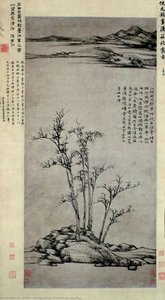
Ni Zan

Kiinalainen Born in Wuxi Yuan-dynastian neljä mestaria Wikipedia in 15/32 languages

Ni Zan

Ni Zan, yksi kiinalaisen maalaustaiteen arvostetuimmista nimistä, syntyi vuonna 1301 varakkaaseen perheeseen Wuxissa. Vaikka hän syntyi jo Kublai Khanin kuoleman jälkeen, Ni Zanin perheellä oli varaa tarjota hänelle vaativa konfutselainen koulutus, mikä loi pohjan hänen syvälle sivistyneelle taiteelleen. Ni Zanin omaleimainen tyyli, joka kehittyi vuoden 1345 jälkeen, oli tietoinen ja voimakas tapa ilmaista omaa sisäistä maailmaa.

Signature works · The 100 signature works

17of 99

Andrea Di Cione Di Arcangelo (Orcagna)

Italian Born in Florence Gothic-Late Gothic

Andrea Di Cione Di Arcangelo (Orcagna)

Orcagna achieved unparalleled fame through The Triumph of Death, a monumental undertaking commissioned for Siena Cathedral between 1365 and 1370.

Signature works · The 100 signature works

18of 99

Orcagna

Italian Born in Florence Gothic-Late Gothic Wikipedia in 20/32 languages

Orcagna

However, Orcagna’s artistic trajectory quickly diverged from his master's, developing a distinctly Florentine style characterized by dramatic figures, vibrant colors, and an innovative approach to composition. He was formally admitted into the painter’s guild in 1343-44 and later joined the stonemasons’ guild in 1352, demonstrating his versatility and ambition across multiple artistic disciplines. His work served as an inspiration to many of Florence’s leading painters, including Jacopo di Cione, his brother, who continued Orcagna's artistic legacy after his death in 1368.

Pupil of Andrea Pisano #14

Signature works · The 100 signature works

19of 99

Giovanni Da Milano

Italialainen Born in Lombardia Proto-Renessanssi

Giovanni Da Milano

Giovanni di Jacopo di Guido da Caversaccio, syntynyt Lombardiassa noin 1346, näki taiteellisen matkansa pääosin Firenzen vilkkaassa kulttuurimaisemassa muutoksen ja innovaation aikana. Ensimmäinen dokumentoitu merkintä hänen läsnäolostaan ​​näkyy Firenzen arkistoissa 17. lokakuuta 1346, jossa hänet lueteltiin Johannes Jacobi de Commo ulkomaalaajien joukossa, jotka asuivat Toscanassa – todiste siitä vetovoimasta, jota Firenze kohdisti taiteilijoihin, jotka etsivät uusia mahdollisuuksia ja kukoistavaa taideympäristöä.

Signature works · The 100 signature works

20of 99

Barna Da Siena

Italian Born in Siena Gothic Art Wikipedia in 14/32 languages

Barna Da Siena

Through the dramatic shadows of his frescoes and the haunting beauty of his Madonna with Child, Barna da Siena remains an eternal presence in the canon of Italian masters, a name that continues to echo through the corridors of art history, inviting us to rediscover the soul of the Middle Ages.

Signature works · The 100 signature works

21of 99

Wang Meng

Chinese Born in Huzhou Yuan Dynasty Landscape Painting Wikipedia in 14/32 languages

Wang Meng

His brushstrokes—often described as “ropy” or “layered”—were meticulously applied in thick, overlapping patterns, creating a palpable sense of texture and movement. Wang Meng’s compositions are often densely populated with elements—trees, rocks, mountains, streams—creating an immersive experience for the viewer. Notably, "Ge Zhichuan Relocating" sold for an astonishing $62.1 million at auction in 2011, a testament to its artistic merit and historical significance.

Signature works · The 100 signature works

23of 99

Nicolas Bataille

French Medieval Art, Religious Paintings

Nicolas Bataille

His tapestries, particularly the famed “Seven Seals” cycle now housed in the Saint-Nicolas du Chardonnet church in Paris, offer a window into a world grappling with anxieties about mortality, divine judgment, and the impending end times – a perspective rarely found in contemporary art. The depiction of Babylon’s destruction reflects the prevailing fears about political instability and social decay in 14th-century France.

Signature works · The 100 signature works

24of 99

Lorenzo Veneziano

Italian Born in Venetsia Bysanttilainen taide Wikipedia in 11/32 languages

Lorenzo Veneziano

Vuosi 1336 resonoi Italian taidehistoriallisessa maisemassa, kytkeytyen erottamattomasti mystiseen hahmoon – vuoden 1336 mestariin. Tarkemmin tunnettu nimellä Giovanni Lipini, tämän taiteilijan nimi on peräisin Pistoian Santa Maria delle Grazien ihmeellisestä freskosta, joka esittää Neitsyt Marian. Noin vuonna 1301 syntyneen ja traagisesti vuonna 1379 kuolleen mestarin lyhyt mutta vaikuttava ura jätti jälkeensä tunteikkaiden kertomusten ja huomionarvoisen yksityiskohtaisten hahmojen perinnön – teoksia, jotka jatkavat taidehistorioitsijoiden lumoamista vielä tänäkin päivänä.

Signature works · The 100 signature works

25of 99

Segna Di Buonaventure

Italian Trecento

Segna Di Buonaventure

However, unlike Duccio’s often exuberant and emotionally charged compositions, Segna’s paintings possess a more restrained elegance, characterized by a sense of solemnity and a focus on formal clarity. It’s believed that Segna spent time in Florence during this period, absorbing influences from the burgeoning Florentine school, which was beginning to experiment with linear perspective and naturalistic representation.

Signature works · The 100 signature works

27of 99

Ugolino Di Nerio

italialainen Born in Siena Sienalainen maalaustaide Wikipedia in 13/32 languages

Ugolino Di Nerio

Ugolino di Nerio, nimi joka on suurelta osin jäänyt valtavirran taidehistoriallisten kertomusten varjoihin, seisoo keskeisenä hahmona Sienan ja Firenzen kukoistavassa taiteellisessa maisemassa 1320-luvulla. Noin vuonna 1280 maalausperheeseen syntyneenä – isänsä Guidon sekä sisarustensa Muccion ja Ugolinon seuraajana – hän nousi itsenäiseksi mestariksi jättäen jälkeensä puhuttelevia teoksia, jotka rakensivat sillan italo-bysanttilaisen perinteen jäykän muodollisuuden ja sienalaisen maalaustaiteen nousevan naturalismin välille.

Signature works · The 100 signature works

28of 99

Taddeo di Bartolo

Italian Born in Siena Early Renaissance Wikipedia in 13/32 languages

Taddeo di Bartolo

His compositions often feature: Luminous Pigments: A palette rich in ultramarine, vermilion, and gold leaf that reflects the divine splendor of his subjects. Architectural Precision: The use of structured backgrounds to ground holy figures within a tangible, albeit idealized, reality. The historical significance of Taddeo di Bartolo lies in his role as a custodian of Sienese identity during a period of immense change.

Signature works · The 100 signature works

29of 99

Lippo Di Benivieni

Italian Born in Florence Early Quattrocento

Lippo Di Benivieni

Despite the paucity of surviving paintings attributed to Lippo di Benivieni, his influence is palpable in several significant frescoes adorning churches throughout Siena and San Gimignano. Madonna and Child Panel Painting: A monochrome panel depicting Mary holding the infant Jesus exemplifies Lippo’s mastery of technique—particularly his ability to achieve remarkable tonal gradation using tempera on wood. Furthermore, his work serves as an exemplar of early Quattrocento painting—a transitional phase between Gothic formalism and Renaissance naturalism —demonstrating Lippo’s willingness to embrace new stylistic approaches while retaining core aesthetic principles.

Signature works · The 100 signature works

30of 99

Zhao Yuan

Chinese Landscape painting

Zhao Yuan

Like Wang Meng, Zhao Yuan embraced a dense, complex compositional structure characterized by layered mountains, gnarled trees, and meticulously rendered details. Beyond Wang Meng, echoes of earlier masters like Fan Kuan (c. 937-1020), renowned for his monumental landscapes and powerful brushwork, can also be detected in Zhao Yuan’s treatment of rock formations and atmospheric effects. His most significant debt is undoubtedly to Wang Meng (1308-1383), one of the last great masters of the Yuan dynasty.

Signature works · The 100 signature works

31of 99

Andrea Di Bartolo

Italian Born in Siena Sienese School Wikipedia in 12/32 languages

Andrea Di Bartolo

Working alongside luminaries such as Luca di Tommè, he contributed to significant communal works, including an altarpiece for the shoemaker's guild in the cathedral of Siena, marking his first documented presence in the annals of art history.

Signature works · The 100 signature works

32of 99

Lorenzo di Bicci

Italian Florentine School

Lorenzo di Bicci

He eschewed the heavy, dark backgrounds favored by many of his contemporaries, opting instead for lighter, more airy compositions that allowed figures to emerge with clarity and grace. He skillfully employed perspective, though not with the mathematically precise rigor of later Renaissance artists, creating a sense of depth and spatial awareness through subtle variations in scale and detail. His successors, Bicci di Lorenzo and Neri di Bicci, continued to serve these groups, carrying forward his artistic legacy.

Signature works · The 100 signature works

33of 99

Melchior Broederlam

Belgian Born in Ypres Early Netherlandish Painting Wikipedia in 15/32 languages

Melchior Broederlam

His influence can be traced through the lineage of the great Netherlandish painters, acting as a vital precursor to the technical perfection achieved by Jan van Eyck. The court at Dijon was a crucible of talent, attracting the finest goldsmiths, sculptors, and painters of Europe, and within this vibrant atmosphere, Broederlam refined a style that was both regal and deeply spiritual.

Signature works · The 100 signature works

34of 99

Bicci Di Lorenzo

Italian Born in Firenze Florentilainen koulu Wikipedia in 8/32 languages

Bicci Di Lorenzo

Lorenzo di Bicci, syntynyt noin vuonna 1373 Florensissa, seisoo keskeisellä paikalla kukoistavassa florenttalaisessa maalaustekniikassa neljäntoista vuosisadan jälkipuoliskolla ja viidestoista vuosisadan alussa. Vaikka elämäkertatietoja on vähän – hänen isänsä identiteetti on peitetty epätietoisuuteen – akateeminen konsensus vahvistaa Lorenzo'n oppimisen Jacopo di Cione'lta ja Andrea di Cione'lta, taiteilijoilta joiden tyylilliset innovaatiot muovasivat syvästi hänen taiteellista polkuaan.

Signature works · The 100 signature works

35of 99

Gherardo Starnina

Italian Born in Florence Venetian Renaissance Wikipedia in 12/32 languages

Gherardo Starnina

The enduring impact of Gherardo di Jacopo Starnina can be summarized through several key artistic contributions: Stylistic Synthesis: The seamless blending of Florentine emotional realism with Venetian decorative splendor.

Signature works · The 100 signature works

36of 99

Jean Pucelle

French Early Gothic painting

Jean Pucelle

Jean Pucelle remains one of the most captivating enigmas in the annals of medieval art, a figure whose name is whispered with reverence by those who study the delicate transition from the rigid structures of the Middle Ages to the burgeoning humanism of the Renaissance.

Signature works · The 100 signature works

37of 99

Andrea da Firenze

Italian Born in Firenze Toskalainen maalaus Wikipedia in 12/32 languages

Andrea da Firenze

Kolmenkymmenen neljänneksi vuosisata Firenzessä oli taiteellisen lahjakkuuden kukoistusaika, ja sen merkittävimmistä hahmoista yksi oli Andrea Orcagna – maalaus, veistos, arkkitehti ja hallintohenkilö, jonka monipuolinen ura jätti pyyhkimättävän jäljen kaupungin visuaaliseen maisemaan. Syntynyt noin vuonna 1308 Firenzessä ja kuollut noin vuonna 1368, Orcagna ei ollut pelkkä käsityöläinen; hän oli keskeinen hahmo, joka yhdisti tyylilliset siirtymät Giotton naturalismista bysanttilaisen taiteen muodollisempiin perinteisiin, muokaten Firenzen maalausta tulevien vuosikymmenien ajaksi.

Signature works · The 100 signature works

38of 99

Guariento di Arpo

Italian Born in Piove di Sacco Early Renaissance; Venetian painting; Gothic art Wikipedia in 12/32 languages

Guariento di Arpo

The foundations of Guariento’s genius were laid in the workshops of his contemporaries, where the shadows of masters like Giotto di Bondone and Giovanni Pisano loomed large.

Signature works · The 100 signature works

39of 99

Giovanni Del Biondo

Italian Born in Pratovecchio Gothic & Early Renaissance Wikipedia in 10/32 languages

Giovanni Del Biondo

He stands as a pivotal bridge between two worlds—the stylized, symbolic realm of the Gothic and the human-centric, observational era of the Renaissance.

Signature works · The 100 signature works

40of 99

Claus Sluter

Hollantilainen Born in Haarlem Pohjoinen realismi

Claus Sluter

Claus Sluter (n. 1350–1406) seisoo yhtenä aikakautensa vaikutusvaltaisimmista kuvanveistäjistä, merkiten ratkaisevaa käännekohtaa pohjoiseurooppalaisessa goottilaisen ja renessanssin taideperinteiden välillä. Hänen nimensä merkintä Brysselin kivenhakkaajien rekisterissä noin vuosina 1379/1380 vahvistaa hänen ammatillisen toimintansa ja korostaa käsityötaidon merkitystä keskiaikaisessa taidekulttuurissa. Palvelus Burgundin herttua Filip Rohkealle: Sluterin muovaavat vuodet huipentuivat ratkaisevaan oppipoikakauteen Jean de Marvillen alaisuudessa, joka toimi Burgundin herttuan, Filip Rohkean, hovikuvanveistäjänä.

Signature works · The 100 signature works

42of 99

Jacopo di Cione

Italian Born in Florence Gothic Wikipedia in 7/32 languages

Jacopo di Cione

Jacopo's dedication extended beyond commissions; he actively participated in shaping Florence’s cultural landscape through his involvement with the cathedral workshop and his role as consul of the Arte dei Medici e Speziali (1384, 1387, 1392). His commitment to procuring marble for the cathedral underscored his understanding of artistic grandeur and civic responsibility. The dispersed predella depicting scenes from Saint Peter’s life – a collaborative effort with Niccolò di Pietro Gerini – remains a poignant reminder of Jacopo's artistic legacy and the enduring power of Florentine Gothic art.

Signature works · The 100 signature works

43of 99

Bartolo Di Fredi

Italian Born in Siena Sienese School Wikipedia in 13/32 languages

Bartolo Di Fredi

Neljäsvuosisadan Toscanan sydämessä, aikakaudella, jota määritteli siirtymä goottilaisen ajan eteerisestä sulavuudesta renessanssin kukoistavaan humanismiin, Bartolo di Fredi nousi valon ja kerronnan mestariksi. Vuoteen 1355 mennessä hän oli virallisesti liittynyt Arte dei Maestri di Tavola e Dipinto -kiltaan, mikä oli virstanpylväs, joka avasi hänelle tien Italian merkittävimpiin suojelusverkostoihin. Tämä ammatillinen vakaus mahdollisti yhteistyön aikakauden muiden suurten nimien, kuten Andrea Vargan, kanssa monumentaalisissa projekteissa, kuten Sienan katedraalin koristelussa.

Signature works · The 100 signature works

44of 99

Conrad von Soest

German Born in Dortmund International Gothic soft style Wikipedia in 13/32 languages

Conrad von Soest

His presence in Dortmund placed him at the heart of a cosmopolitan social circle, where he moved among the patrician elite, securing the patronage necessary to sustain a thriving workshop that would influence Northern European painting well into the late 15th century. Completed around 1420, this monumental triptych stands as a pinnacle of the International Gothic style.

Signature works · The 100 signature works

45of 99

Tuthmosis

Egyptian Born in Amarna Amarna art style

Tuthmosis

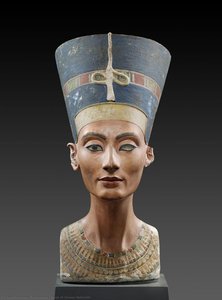
Tuthmosis’s mastery lay not only in capturing likeness but also in skillfully manipulating stone. He primarily worked with fine-grained limestone, a material readily available in the quarries surrounding Amarna. Though Tuthmosis died around 1300 BC, his influence on Egyptian art endures.

Signature works · The 100 signature works

46of 99

Giovanni da Milano

Italian Born in Valmorea Italian Gothic Wikipedia in 13/32 languages

Giovanni da Milano

In the bustling streets of Florence, where the air was thick with the scent of fresh pigment and the echoes of a changing era, a painter named Giovanni di Jacopo di Guido da Caversaccio began to make his mark. Hailing from Lombardy, he arrived in Tuscany as a man seeking his fortune, appearing in the city's records as Johannes Jacobi de Commo.

Signature works · The 100 signature works

47of 99

Master Bertram

German Born in Minden International Gothic Wikipedia in 13/32 languages

Master Bertram

It is believed that Bertram was influenced by both French and Netherlandish artistic trends prevalent during his time. The influence of courtly art from France can be observed in the refined elegance of his figures and decorative elements, while the meticulous detail and realism characteristic of Early Netherlandish painting are evident in his depictions of architectural settings and objects.

Signature works · The 100 signature works

48of 99

Agostino Di Giovanni

Italian Born in Siena Gothic architecture/sculpture

Agostino Di Giovanni

Agostino di Siena, born around 1285 in the heart of Tuscany, emerged as a pivotal figure in the transition from late Gothic to early Renaissance sculpture. Giorgio Vasari, the celebrated Renaissance art historian, initially placed Agostino within the orbit of Giovanni Pisano’s workshop, suggesting a formative apprenticeship under this master sculptor. His exact date of death remains unknown, though records indicate he was no longer living as of June 27, 1347—a period marked by the devastating impact of the Black Death.

Signature works · The 100 signature works

50of 99

André Beauneveu

Netherlandish Born in Valenciennes Pucellian revival

André Beauneveu

His technical achievements are best observed in the following areas: Illuminated Manuscripts: In works such as the Psalter of Jean de Berry and his depictions of figures like King David, Beauneveu demonstrated an extraordinary ability to use light and shadow to create a sense of three-dimensional volume on parchment.

Signature works · The 100 signature works

51of 99

Jacopo Del Casentino (Jacopo Landino)

Italian Born in Florence Renaissance

Jacopo Del Casentino (Jacopo Landino)

To study the works of Jacopo del Casentino is to witness the evolution of the human spirit through paint. In the annals of Italian art, Jacopo remains a luminous figure, a painter who captured the very essence of Florentine devotion. The origins of his artistry are deeply rooted in the Florentine milieu, likely shaped by the influential circle surrounding the Master of St.

Signature works · The 100 signature works

52of 99

Musō Soseki

Japanilainen Born in Isen provinssi Zen-buddhalaisuus Wikipedia in 12/32 languages

Musō Soseki

Musō Soseki, japanilaisen taiteen ja henkisyyden merkittävä hahmo, syntyi vuonna 1275 ja kuoli 20. lokakuuta 1351. Vaikka Musō Sosekin tarkkoja maalaustöitä ei ole laajasti dokumentoitu, hänen vaikutuksensa seuraaviin taiteilijasukupolviin on kiistaton. Saadaksesi vilauksen tyylistä, jota hän inspiroi, voit tutkia teoksia kuten Li Yanshanin "maisema Zhan Jingfengin tyyliin", joka, vaikka ei suoraan kuulu Musō Sosekin nimiin, heijastaa hänen taiteellisen lähestymistapansa kestävää vaikutusta.

Signature works · The 100 signature works

53of 99

Francesco Traini

Italian Born in Pisa Gothic Art Wikipedia in 11/32 languages

Francesco Traini

Orcagna championed the concept of “naturalis dispositio,” prioritizing spatial realism to communicate theological ideas effectively—a principle that Traini wholeheartedly embraced. The Dance of Death Motif: The Triumph of Death fresco, arguably Traini's magnum opus, embodies the pervasive preoccupation with mortality during the Black Death era.

Signature works · The 100 signature works

54of 99

Vitale Da Bologna

Italian Born in Bologna International Gothic Wikipedia in 12/32 languages

Vitale Da Bologna

The historical importance of Vitale da Bologna lies in his role as a pivotal figure in the evolution of the Bolognese school. By blending the formal rigidity of Gothicism with the emerging naturalism of the early Renaissance, he provided a blueprint for subsequent generations of Italian painters. His works, scattered across prestigious locations such as Pomposa Abbey and Udine Cathedral, serve as windows into a world where the divine and the earthly were intimately entwined.

Signature works · The 100 signature works

55of 99

Sheikh Zain Al-Din

Kurdish Born in Erbil Company Style

Sheikh Zain Al-Din

Zain al-Din’s prominence grew during a period of significant change in India, as the power of the Mughal Empire waned and British influence expanded. This era saw the emergence of what is now known as the “Company style” of painting—a hybrid aesthetic favored by British officials and collectors who sought realistic depictions of Indian life, flora, and fauna. The Ashmolean Museum in Oxford holds several examples of his work, including exquisite depictions of mountain-rats, hanging bats, parrots, and storks—each painting a miniature world unto itself.

Signature works · The 100 signature works

56of 99

Pere Serra

Spanish Gothic-Italian

Pere Serra

Pere Serra, also known as Jaume Serra, stands as a compelling figure in the transition from the International Gothic style to the burgeoning Renaissance aesthetic within Catalonia. While biographical details remain scarce – a common fate for artists working before widespread documentation – Serra’s surviving works speak volumes about his skill, refinement, and the patronage that supported his endeavors. The city was a vibrant hub for trade and artistic exchange, exposed to influences from Italy, France, and Flanders.

Signature works · The 100 signature works

57of 99

Azteekivaltakunta

Meksikolainen Born in Tenochtitlan Mesoamerikkalainen taide

Azteekivaltakunta

Nimi ”azteekki” – joka juontaa juurensa nahuatlin kielen sanasta ātl-ce-tlācati–tlān, tarkoittaen ”monimuotoista kansaa” – herättää mielikuvia valtavasta ja monimutkaisesta valtakunnasta, joka hallitsi Mesoamerikkaa vuosisatojen ajan. Azteekkien taideperinteet syntyivät 1300-luvun alussa Tenochtitlanissa, Azteekkimperiumin sydämessä, ja ne olivat syvällä juurtuneet aiempia mesoamerikkalaisia sivilisaatioita edeltävien kulttuurien perintöön.

Signature works · The 100 signature works

59of 99

Marco Di Paolo Veneziano

Italian Byzantine-influenced art; Gothic art

Marco Di Paolo Veneziano

In the shimmering, maritime heart of the fourteenth century, a transformative era was unfolding within the lagoons of Venice, and at its center stood Paolo Veneziano. His formative years were steeped in the luminous, spiritual grandeur of Byzantine art, a tradition brought to the Venetian lagoons through trade and deep ecclesiastical ties to Constantinople. His ability to blend the following elements created a style that was uniquely "Venetian": Luminous Color Palettes: Drawing from the Byzantine tradition to create depth and spiritual radiance.

Signature works · The 100 signature works

62of 99

Ferrer Bassa

Catalan Born in Avinyonet del Penedès Gothic painting

Ferrer Bassa

Ferrer Bassa emerged from the artistic landscape of 14th-century Catalonia as a pivotal figure, bridging the gap between established Gothic traditions and the burgeoning Italianate styles that would reshape European painting. His ability to synthesize diverse stylistic elements—French elegance, Sienese refinement, and Giottesque drama—resulted in a visual language that was both innovative and deeply rooted in its cultural context.

Signature works · The 100 signature works

63of 99

Tommaso Da Modena

Italian Born in Modena Late Gothic Wikipedia in 15/32 languages

Tommaso Da Modena

Tommaso Barisini, commonly known as Tommaso da Modena and sometimes referred to as Tomaso Baffini (c. 1325 – 1379), stands as one of the most prominent figures in Northern Italian painting during the mid-14th century—a period marked by burgeoning artistic innovation and profound spiritual reflection. His unwavering commitment to naturalistic representation—coupled with his masterful command of perspective—established a precedent for Renaissance artists seeking to emulate the grandeur and clarity of classical art forms.

Signature works · The 100 signature works

64of 99

Jacopo Avanzi

Italian Born in Bologna Renaissance, Proto-Renaissance

Jacopo Avanzi

D'Avanzi’s style occupies a fascinating position within the transition from Gothic art to the early Renaissance. The influence of Giotto is palpable, particularly in his emphasis on storytelling and relatable human emotions. He wasn’t alone in this pursuit; Altichiero da Zevio, with whom he frequently collaborated, shared similar artistic concerns.

Signature works · The 100 signature works

65of 99

Paolo Di Giovanni Fei

italialainen Born in San Quirico d'Orcia Naturalismi, protorenessanssi Wikipedia in 10/32 languages

Paolo Di Giovanni Fei

Pietro Lorenzetti, joka syntyi noin vuonna 1280 ja kuoli traagisesti vuonna 1348 tuhoisan ruttoepidemiian aikana, säilyy yhtenä italialaisen maalaustaiteen kehityksen keskeisimmistä hahmoista. Vaikka hänen elämänsä oli traagisen lyhyt, se todisti taiteellisen herkkyyden dramaattisen muutoksen Sienassa, jota vauhdittivat erityisesti yhteistyö nuoremman veljensä Ambrogio Lorenzettin kanssa sekä vuorovaikutus Giotton ja Giovanni Pisanon innovatiivisten tekniikoiden kanssa. Ratkaisevaksi osoittautui hänen aikansa Firenzessä 1320- ja 1330-luvuilla, mikä muutti hänen taiteensa suunnan pysyvästi.

Signature works · The 100 signature works

67of 99

Wu Zhen

Yuan dynasty Born in Jiashan County Wikipedia in 12/32 languages

Wu Zhen

He did not merely observe the mountains or the flora; he sought to inhabit them. He achieved a rare unity known as the Three Perfections, where the boundaries between different disciplines began to dissolve. His work Qing Jiang Chun Xiao remains a definitive example of how he achieved the integration of the Three Perfections, weaving together the intellectual weight of poetry and the fluid grace of calligraphy with the visual depth of his painting.

Signature works · The 100 signature works

68of 99

Jacopo del Casentino

Florentine Born in Florence Later Gothic Wikipedia in 10/32 languages

Jacopo del Casentino

As his career progresses, the influence of the Lorenzetti brothers, Pietro and Ambrogio, becomes visible. His later Gothic style reflects this integration of Sienese elements.

Pupil of Taddeo Gaddi #6 · Teacher of Spinello Aretino #12

Signature works · The 100 signature works

69of 99

Giusto De' Menabuoi

Italian Born in Florence Early Renaissance Wikipedia in 12/32 languages

Giusto De' Menabuoi

Menabuoi’s distinctive style transcends simple categorization, reflecting a complex interplay between Byzantine iconography and Florentine Proto-Renaissance aesthetics. Unlike many of his contemporaries who embraced the burgeoning realism championed by artists like Altichiero and Jacopo d'Avanzi, Menabuoi prioritized conveying spiritual emotion over meticulous anatomical accuracy—a hallmark of Giotto’s artistic vision. Giotto's Legacy: As a student of Giotto, Menabuoi absorbed Giotto’s expressive technique—characterized by elongated figures and emotionally charged gestures—establishing a crucial link between Florentine artistic tradition and Byzantine influences.

Signature works · The 100 signature works

70of 99

Jacquemart de Hesdin

French Born in Hesdin International Gothic Wikipedia in 13/32 languages

Jacquemart de Hesdin

Très Belles Heures du Duc de Berry (Brussels Hours): Considered his most significant work, showcasing elaborate scenes and detailed miniatures. Petites Heures: A smaller-scale book of hours, also demonstrating Jacquemart’s skill in illumination. He synthesized these influences into a unique International Gothic style that was highly sought after by European nobility.

Signature works · The 100 signature works

71of 99

Matteo Giovanetti

Italian Born in Viterbo Early Italian Renaissance

Matteo Giovanetti

By absorbing the stylistic currents flowing from the great masters of Tuscany and Umbria, Giovanetti began to synthesize a unique visual language. He drew inspiration from the monumental weight and structural clarity of Giotto di Bondone, while simultaneously embracing the lyrical elegance and refined grace found in the works of Simone Martini.

Signature works · The 100 signature works

72of 99

Reisai Gukyoku

Japan Born in Ямаширо Zen buddhism art

Reisai Gukyoku

Unlike the flamboyant styles prevalent during Nanbokuchō, Gukyoku's approach prioritized conveying spiritual essence over visual spectacle. He favored ink wash techniques (sumi-e), utilizing varying shades of black to create textured surfaces that mirrored the natural world—particularly landscapes reminiscent of Mount Yoshino, a sacred site venerated by Zen monks. Although he remains largely unrecognized by mainstream art historians, Reisai Gukyoku’s work stands as a poignant reminder of the transformative potential of artistic practice when guided by spiritual aspiration.

Signature works · The 100 signature works

74of 99

Bartolommeo Bulgarini

Italian Born in Siena Sienese school

Bartolommeo Bulgarini

The true brilliance of Bulgarini lies in his ability to act as a bridge between two worlds. He possessed a rare, intuitive grasp of how to marry the ancient, ethereal majesty of Byzantine iconography with the burgeoning humanism and spatial curiosity emerging from Florence. He remained an active and influential force in the Sienese school even as the devastating Black Death of 1348 reshaped the social and cultural landscape of Italy.

Signature works · The 100 signature works

75of 99

Gikō Tettō

Japanese Born in Hara Zen painting

Gikō Tettō

He was particularly influenced by the Chinese master Hsieh Ho (c. 1021–1076), whose innovative use of color, particularly in depicting landscapes, served as a significant model for Tettō. His compositions frequently featured sweeping vistas and dynamic brushstrokes, reflecting both the natural world and the internal landscapes of Zen meditation. His bold use of color and expressive brushwork served as an inspiration for subsequent generations of artists, including those who followed in the footsteps of the Ōtōkan school.

Signature works · The 100 signature works

76of 99

Barnaba Da Modena

Italian Born in Modena Byzantine-influenced Lombard Painting Wikipedia in 12/32 languages

Barnaba Da Modena

Born around 1328 in Modena (Emilia), he emerged from obscurity to become arguably the first Lombard painter of considerable renown, leaving behind an impressive oeuvre that testifies to his unwavering devotion to this venerable artistic heritage.

Signature works · The 100 signature works

77of 99

Peter Parler

German-Bohemian Born in Schwaebisch Guemund Late Gothic

Peter Parler

In the heart of the Late Middle Ages, a period defined by soaring spires and profound devotion, Peter Parler emerged as one of the most influential architects and sculptors of his era. Known variously as Peter von Gemünd or Petr Parléř, his identity was inextricably linked to the Parler family, a lineage of craftsmen whose influence stretched across much of Central Europe.

Signature works · The 100 signature works

78of 99

Bonanat Descoll I De Santcliment

Italialainen Born in Barcelona Varhaisrenessanssi

Bonanat Descoll I De Santcliment

Bonanat Descoll I De Santcliment oli merkittävä katalonialainen amiraali Aragonian kruunulle 1300-luvulla. Hän syntyi Barcelonassa, Espanjassa vuonna 1310 ja kuoli vuonna 1390. Bonanat Descoll I De Santcliment ei ollut ainoastaan taitava sotilasjohtaja, vaan myös erittäin lahjakas taiteilija.

Signature works · The 100 signature works

81of 99

Domenico Di Agostino

Italian Born in Siena Gothic Art

Domenico Di Agostino

Domenico di Agostino’s oeuvre is relatively small, consisting primarily of altarpieces and devotional panels intended for private chapels and churches in and around Siena. The Virgin of the Annunciation, found in various iterations across several museums, exemplifies his mature style. The legacy of Duccio di Buoninsegna, whose monumental Maestà had revolutionized Sienese painting just decades earlier, is clearly visible in Domenico's use of rich color palettes and narrative detail.

Signature works · The 100 signature works

82of 99

Agnolo Di Ventura

Italian Gothic Art Italy

Agnolo Di Ventura

The specifics of Agnolo’s early training are lost to time, but it is reasonable to assume he apprenticed within one of Siena's established workshops. The influence of Nicola Pisano and his son Giovanni, prominent sculptors active in Pisa and Florence, cannot be discounted, as their innovations in depicting classical forms and emotional expression were widely admired throughout Tuscany. He frequently collaborated with painters, as seen in the Monument to Tarlati, highlighting the interconnectedness of artistic disciplines during the 14th century.

Signature works · The 100 signature works

84of 99

Francesco Di Petracco

Italian Born in Arezzo Humanist poetry

Francesco Di Petracco

Petracco’s work reflects a unique blend of contemporary realism, influenced by the late Gothic tradition, alongside an emerging interest in perspective and atmospheric effects – hallmarks of the evolving Renaissance aesthetic. His family, prominent Florentine notaries, faced exile due to the turbulent power struggles between the White and Black Guelphs. Furthermore, Petracco's connection to the exiled poet Dante Alighieri – both sharing political exile from Florence – undoubtedly shaped his artistic outlook.

Signature works · The 100 signature works

88of 99

Giovanni Di Chellino Boccaccio

Italian Born in Certaldo Humanism precursor

Giovanni Di Chellino Boccaccio

Born amidst the rolling landscapes of Certaldo in 1313, Giovanni Boccaccio emerged as a vital force in the cultural landscape of the fourteenth century. As one of the legendary "Three Crowns" of Italian literature—standing alongside the giants Dante Alighieri and Petrarch—his life served as a bridge between the medieval world and the dawning light of the Renaissance.

Signature works · The 100 signature works

89of 99

Emperor Kōgon

Japanese Buddhist Art

Emperor Kōgon

While the Nanboku-chō period was defined by conflict between rival courts, Kōgon’s focus on Buddhist art provided a sense of cultural continuity and spiritual stability. He successfully utilized the medium of painting to assert a form of authority that was not dependent on military might, but on moral and religious prestige. Emperor Kōgon (1313–1364) was not merely a sovereign navigating a period of profound instability; he was a visionary patron whose devotion to Buddhist iconography helped reshape the aesthetic soul of Northern Japan.

Signature works · The 100 signature works

90of 99

Jakushitsu Genkō

Japanese Born in Tokyo Rinzai Zen

Jakushitsu Genkō

Early Life & Artistic Formation: Little biographical detail survives concerning Genkō’s formative years; he emerged from obscurity as a student of Zen at Nara Temple, establishing a foundation for his lifelong devotion to the Dharma.

Signature works · The 100 signature works

92of 99

Mother Julian

English Born in Norwich Medieval Mysticism

Mother Julian

The essence of Julian’s legacy lies in her extraordinary mystical experiences, captured in the seminal manuscript, Revelations of Divine Love. Through these spiritual windows, she glimpsed a God characterized not by distant judgment, but by an overwhelming, compassionate intimacy.

Signature works · The 100 signature works

93of 99

Nardo di Cione

Italian Born in Florence Renaissance Painting Wikipedia in 10/32 languages

Nardo di Cione

To study Nardo is to witness the evolution of the Florentine spirit: Technical Versatility: The seamless integration of sculptural depth with painterly fluidity. Chromatic Mastery: The use of vibrant, symbolic colors to navigate complex theological narratives. His early training under Maestro Piero Bargellini, a distinguished sculptor and painter, provided him with a unique dual perspective.

Signature works · The 100 signature works

95of 99

Serafino Serafini

Italian Born in Modena Giottesque & Bolognese

Serafino Serafini

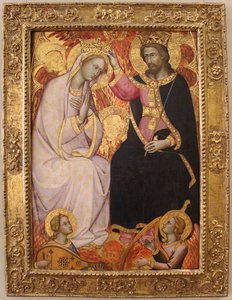
One of his most celebrated achievements, the Coronation of the Virgin, bears a proud inscription dating the work to March 1385, serving as a permanent testament to his hand. His depictions of the Life of Saint Louis and scenes involving St. In the twilight of the fourteenth century, amidst the architectural grandeur of Northern Italy, the name Serafino Serafini emerged as a vital, if enigmatic, force in the evolution of late medieval painting.

Signature works · The 100 signature works

97of 99

Antonio Baboccio Da Piperno

Italian Born in Pietrantonella Late Medieval Art

Antonio Baboccio Da Piperno

He was a progenitor of style, fostering a school of artists that included luminaries such as Agnello del Fiore and Guglielmo Monaco. As we look back upon his life, which concluded around 1435, we see an artist who successfully navigated the complexities of patronage and the shifting tides of cultural influence. In the twilight of the Middle Ages, as the rigid structures of the Gothic era began to soften under the burgeoning light of the Renaissance, there emerged a master whose hands shaped the very identity of Neapolitan grandeur.

Signature works · The 100 signature works

98of 99

Zekkai Chūshin

Italian Born in Tosa Byzantine art

Zekkai Chūshin

The Master’s origins are shrouded in some mystery, yet a clear lineage can be traced through the artistic networks of Pistoia. He was deeply influenced by Giotto di Bondone, whose revolutionary approach to depicting human emotion and space began to permeate the region. The figure known as the Master of 1336 remains one of the most intriguing enigmas in Italian art history.

Signature works · The 100 signature works

Signature works

Signature Late Medieval works

  1. Ilmestys ja kaksi pyhimystä, teos, jonka on tehnyt Simone Martini

    Ilmestys ja kaksi pyhimystä

    Simone Martini

    1333 · Galleria degli Uffizi, Firenze

  2. Deesis Range: The Archangel Michael, teos, jonka on tehnyt Andrei Rubljov

    Deesis Range: The Archangel Michael

    Andrei Rubljov

    1410 · Tretyakovin kansallismuseo, Moskova

  3. Hyvän hallinnon vaikutukset kaupunkielämään, teos, jonka on tehnyt Ambrogio Lorenzetti

    Hyvän hallinnon vaikutukset kaupunkielämään

    Ambrogio Lorenzetti

    1338 · Palazzo Pubblico, Siena

  4. The Apostles Saint Andrew and Saint James the Lesser, with a Prophet, teos, jonka on tehnyt Pietro Lorenzetti

    The Apostles Saint Andrew and Saint James the Lesser, with a Prophet

    Pietro Lorenzetti

    1328 · Yale University Art Gallery, New Haven

  5. Agneau Mystique 0, teos, jonka on tehnyt Hubert Van Eyck

    Agneau Mystique 0

    Hubert Van Eyck

    St Bavo katedraali, Gent

  6. Two Apostles Saints, teos, jonka on tehnyt Taddeo Gaddi

    Two Apostles Saints

    Taddeo Gaddi

    1320 · Collezione Vittorio Cini, Venice

  7. The Last Supper, teos, jonka on tehnyt Agnolo Gaddi

    The Last Supper

    Agnolo Gaddi

    1395 · Lindenau-Museum, Altengau

  8. Our Lady of the Don, teos, jonka on tehnyt Kreikkalainen Teofanes

    Our Lady of the Don

    Kreikkalainen Teofanes

    1382 · Tretyakovin kansallismuseo, Moskova

A timeline

Late Medieval through its signature works

  1. 1320
  2. 1324
  3. 1324
  4. 1328
  5. 1333
  6. 1334
  7. 1336
  8. 1338
  9. 1340
  10. 1345
  11. 1350
  12. 1354
  13. 1357
  14. 1370

Figures

The figures

Syntymämaa
Italy37
Italia18
Japan8
China4
Spain3
France3
Germany3
Egypt3
Syntymäkymmenet
1270s4
1280s9
1290s11
1300s9
1310s8
1320s12
1330s13
1340s9
1350s15
1360s9
Museot, joissa on teoksia kyseiseltä taiteilijalta
Metropolitan Museum of Art19
Galleria degli Uffizi5
National Gallery of Art5
Yale University Art Gallery4
Harvard Art Museums4
National Gallery4
Gemäldegalerie3
Fine Arts Museums of San Francisco3

Every name

List of 99 famous Late Medieval taiteilijat, every name

  1. 1Simone MartiniSimone MartiniItalialainen · 1284–1344
  2. 2Andrei RubljovAndrei RubljovVenäläinen · 1360–1430
  3. 3Ambrogio LorenzettiAmbrogio LorenzettiItalialainen · 1290–1348
  4. 4Pietro LorenzettiPietro Lorenzettiitalialainen · 1280–1348
  5. 5Hubert Van EyckHubert Van EyckAlankomaalainen · 1366–1426
  6. 6Taddeo GaddiTaddeo Gaddiitalialainen · 1300–1366
  7. 7Agnolo GaddiAgnolo GaddiItalian · 1350–1396
  8. 8Kreikkalainen TeofanesKreikkalainen TeofanesKreikkalainen · 1335–1410
  9. 9Paolo VenezianoPaolo Venezianoitalialainen · 1333–1358
  10. 10Lippo MemmiLippo MemmiItalialainen · 1291–1356
  11. 11Altichiero Da ZevioAltichiero Da Zevioitalialainen · 1330–1390
  12. 12Spinello AretinoSpinello AretinoItalia · 1350–1410
  13. 13Bernardo DaddiBernardo Daddiitalialainen · 1290–1348
  14. 14Andrea PisanoAndrea Pisanoitalialainen · 1290–1348
  15. 15Niccolò Di TommasoNiccolò Di TommasoItalian · 1346–1376
  16. 16Ni ZanNi ZanKiinalainen · 1301–1374
  17. 17Andrea Di Cione Di Arcangelo (Orcagna)Andrea Di Cione Di Arcangelo (Orcagna)Italian · 1308–1368
  18. 18OrcagnaOrcagnaItalian · 1315–1368
  19. 19Giovanni Da MilanoGiovanni Da MilanoItalialainen · 1346–1369
  20. 20Barna Da SienaBarna Da SienaItalian · 1330–1380
  21. 21Wang MengWang MengChinese · 1308–1385
  22. 22Cresques AbrahamCresques AbrahamSpanish · 1325–1387
  23. 23Nicolas BatailleNicolas BatailleFrench · 1330–1405
  24. 24Lorenzo VenezianoLorenzo VenezianoItalian · 1336–1379
  25. 25Segna Di BuonaventureSegna Di BuonaventureItalian · 1298–1326
  26. 26Cennino CenniniCennino CenniniItalian · 1360–1440
  27. 27Ugolino Di NerioUgolino Di Nerioitalialainen · 1280–1330
  28. 28Taddeo di BartoloTaddeo di BartoloItalian · 1362–1422
  29. 29Lippo Di BenivieniLippo Di BenivieniItalian · 1296–1327
  30. 30Zhao YuanZhao YuanChinese · syntynyt 1350
  31. 31Andrea Di BartoloAndrea Di BartoloItalian · 1360–1428
  32. 32Lorenzo di BicciLorenzo di BicciItalian · 1350–1427
  33. 33Melchior BroederlamMelchior BroederlamBelgian · 1355–1410
  34. 34Bicci Di LorenzoBicci Di LorenzoItalian · 1350–1427
  35. 35Gherardo StarninaGherardo StarninaItalian · 1354–1413
  36. 36Jean PucelleJean PucelleFrench · 1300–1334
  37. 37Andrea da FirenzeAndrea da FirenzeItalian · 1343–1379
  38. 38Guariento di ArpoGuariento di ArpoItalian · 1310–1370
  39. 39Giovanni Del BiondoGiovanni Del BiondoItalian · 1356–1399
  40. 40Claus SluterClaus SluterHollantilainen · 1355–1406
  41. 41Kokan ShirenKokan ShirenJapanese · 1278–1346
  42. 42Jacopo di CioneJacopo di CioneItalian · 1325–1399
  43. 43Bartolo Di FrediBartolo Di FrediItalian · 1330–1410
  44. 44Conrad von SoestConrad von SoestGerman · 1360–1423
  45. 45TuthmosisTuthmosisEgyptian · 1340–1300
  46. 46Giovanni da MilanoGiovanni da MilanoItalian · 1325–1370
  47. 47Master BertramMaster BertramGerman · 1345–1415
  48. 48Agostino Di GiovanniAgostino Di GiovanniItalian · 1285–1347
  49. 49Ashikaga YoshimitsuAshikaga Yoshimitsu1358–1408
  50. 50André BeauneveuAndré BeauneveuNetherlandish · 1335–1403
  51. 51Jacopo Del Casentino (Jacopo Landino)Jacopo Del Casentino (Jacopo Landino)Italian · 1330–1380
  52. 52Musō SosekiMusō SosekiJapanilainen · 1275–1351
  53. 53Francesco TrainiFrancesco TrainiItalian · 1321–1365
  54. 54Vitale Da BolognaVitale Da BolognaItalian · 1289–1359
  55. 55Sheikh Zain Al-DinSheikh Zain Al-DinKurdish · syntynyt 1325
  56. 56Pere SerraPere SerraSpanish · 1357–1406
  57. 57AzteekivaltakuntaAzteekivaltakuntaMeksikolainen · 1300–1521
  58. 58Liaoan QingyuLiaoan QingyuChinese · 1288–1363
  59. 59Marco Di Paolo VenezianoMarco Di Paolo VenezianoItalian · syntynyt 1362
  60. 60Matteo Di Ser CambioMatteo Di Ser CambioItalian · 1351–1424
  61. 61Zhu DiZhu Di1360–1424
  62. 62Ferrer BassaFerrer BassaCatalan · 1285–1348
  63. 63Tommaso Da ModenaTommaso Da ModenaItalian · 1326–1379
  64. 64Jacopo AvanziJacopo AvanziItalian · 1350–1416
  65. 65Paolo Di Giovanni FeiPaolo Di Giovanni Feiitalialainen · 1345–1411
  66. 66GiottinoGiottinoItalian · 1324–1372
  67. 67Wu ZhenWu ZhenYuan dynasty · 1280–1354
  68. 68Jacopo del CasentinoJacopo del CasentinoFlorentine · 1297–1358
  69. 69Giusto De' MenabuoiGiusto De' MenabuoiItalian · 1330–1393
  70. 70Jacquemart de HesdinJacquemart de HesdinFrench · 1350–1410
  71. 71Matteo GiovanettiMatteo GiovanettiItalian · 1322–1368
  72. 72Reisai GukyokuReisai GukyokuJapan · 1363–1452
  73. 73Qingzhuo Zhengcheng, Ch'Ing-Cho Cheng-Ch'EngQingzhuo Zhengcheng, Ch'Ing-Cho Cheng-Ch'EngChinese · 1274–1339
  74. 74Bartolommeo BulgariniBartolommeo BulgariniItalian · 1305–1378
  75. 75Gikō TettōGikō TettōJapanese · 1295–1369
  76. 76Barnaba Da ModenaBarnaba Da ModenaItalian · 1328–1386
  77. 77Peter ParlerPeter ParlerGerman-Bohemian · 1330–1399
  78. 78Bonanat Descoll I De SantclimentBonanat Descoll I De SantclimentItalialainen · 1310–1390
  79. 79Yuan DynastyYuan DynastyChinese · 1271–1368
  80. 80Giovanni Di RiginoGiovanni Di RiginoItalian · syntynyt 1315
  81. 81Domenico Di AgostinoDomenico Di AgostinoItalian · 1317–1366
  82. 82Agnolo Di VenturaAgnolo Di VenturaItalian · 1290–1349
  83. 83Giovanni Da CampioneGiovanni Da CampioneItalian · 1320–1375
  84. 84Francesco Di PetraccoFrancesco Di PetraccoItalian · 1304–1374
  85. 85Giovanni d'AgostinoGiovanni d'Agostino1285–1347
  86. 86Sesson YūbaiSesson YūbaiJapanese · 1290–1347
  87. 87Sultan Al-Malik Al-Zahir Abu Sa’Id BarquqSultan Al-Malik Al-Zahir Abu Sa’Id BarquqEgyptian · 1339–1399
  88. 88Giovanni Di Chellino BoccaccioGiovanni Di Chellino BoccaccioItalian · 1313–1375
  89. 89Emperor KōgonEmperor KōgonJapanese · 1313–1364
  90. 90Jakushitsu GenkōJakushitsu GenkōJapanese · 1290–1367
  91. 91Bernat Saulet I El Taller De Sant Joan De Les AbadessesBernat Saulet I El Taller De Sant Joan De Les AbadessesItalian · 1341–1342
  92. 92Mother JulianMother JulianEnglish · syntynyt 1343
  93. 93Nardo di CioneNardo di CioneItalian · 1320–1366
  94. 94TutankhamenTutankhamenEgyptian · 1345–1327
  95. 95Serafino SerafiniSerafino SerafiniItalian · 1324–1393
  96. 96Filippo CalendarioFilippo CalendarioItalian · 1315–1355
  97. 97Antonio Baboccio Da PipernoAntonio Baboccio Da PipernoItalian · 1351–1435
  98. 98Zekkai ChūshinZekkai ChūshinItalian · 1336–1405
  99. 99Ryūshū ShūtakuRyūshū ShūtakuJapanese · 1307–1388

Questions

Your questions

Other movements

Famous artists of other movements

Other periods

Famous artists across the periods

Discover more

More artists to discover