Academic Realism · 1887
Composition study (Ferdinand Hodler, 1887)
Ferdinand Hodler (1853–1918) on loonud teose Composition study. See on pärinev 1887 aastast. See kuulub Academic Realism suuntrime. Teos on valmistatud materjalist Oil On Canvas. Teos asub Bosnia ja Hertsegovina Riiklik galerii kogamuses Sarajevo, Bosnia ja Võlheina. Mõõdud on 26 × 22 cm.
- 1887
- Oil On Canvas
- 26 × 22 cm
- Bosnia ja Hertsegovina Riiklik galerii, Sarajevo

 Eelvaade

 Käsitsi maalatud õlimaalatsioon
 Saada
 Jaga
 Teave teose kohta


 Laadi alla
 Sarnased teosed
 Röntgenuuring
 Slaidietendus
 KÜSIMUSED JA VASTUSID

 Statistika
Composition study lühidalt
- Pealkiri
- Composition study
- Kunstnik
- Ferdinand Hodler (1853–1918)
- Kunstnik on sündinud
- Bern, Šveits
- Kuupäev
- 1887
- Tehnika
- Oil On Canvas
- Mõõtmed
- 26 × 22 cm
- Kus seda näeb
- Bosnia ja Hertsegovina Riiklik galerii, Sarajevo, Bosnia ja Võlheina
- Suunad
- Academic Realism
- Teema
- weightlifting, human form, anatomy, study, sketch, exercise
Mida Composition study kujutab?
Composition Study – A Window into Hodler’s Soul
Ferdinand Hodler's "Composition Study," created in 1887, isn’t merely a sketch of three figures engaged in strenuous activity; it’s a profound meditation on the human condition, rendered with an arresting blend of anatomical precision and evocative symbolism. This work, now housed within the Tretyakov Gallery in Moscow, offers a rare glimpse into the artist's deeply personal vision – a world shaped by loss, contemplation, and a fascination with the ephemeral beauty of existence. The piece immediately draws the eye with its stark contrasts: the dark, almost brooding grey-brown tones of the pencil lines against the aged, neutral surface of the paper create an immediate sense of weight and seriousness. Hodler’s technique is deceptively simple yet remarkably powerful; he eschews elaborate shading or detailed rendering in favor of a confident, linear approach that emphasizes form and movement with remarkable economy.
The Anatomy of Effort – A Study in Human Form
At first glance, the composition depicts three men locked in what appears to be a grueling weightlifting exercise. However, Hodler doesn’t offer a realistic portrayal of physical exertion. Instead, he strips away extraneous detail, focusing instead on the essential lines and angles that define the figures' postures. The musculature is suggested with sharp, decisive strokes, conveying strength and strain without resorting to photographic accuracy. Notice how the diagonal lines of their bodies create a dynamic tension, mirroring the implied struggle within each individual. The arrangement isn’t haphazard; it’s carefully constructed to draw the viewer’s eye across the page, creating a sense of movement and narrative – a silent drama unfolding before our eyes.
Symbolism and the Weight of Mortality
Beyond its anatomical interest, “Composition Study” is rich in symbolic meaning. The figures themselves are often interpreted as representations of mortality and the inevitability of fate. Hodler’s early life was marked by profound loss – the deaths of his father and two brothers at a young age instilled within him a deep awareness of human vulnerability. This personal experience undoubtedly informs the work's somber mood and its exploration of themes related to death, remembrance, and the passage of time. The grid lines overlaid on the drawing—a technique frequently employed by Hodler—further emphasize this sense of structure and order imposed upon chaos, perhaps reflecting a desire to impose meaning onto an inherently unpredictable existence.
A Bridge Between Eras – Hodler’s Legacy
“Composition Study” stands as a pivotal work in the career of Ferdinand Hodler, bridging the gap between academic realism and the burgeoning Symbolist movement. Influenced by Renaissance anatomical studies—particularly those focused on depicting the human form with scientific accuracy—Hodler nevertheless departs from traditional representation, prioritizing emotional resonance over literal depiction. The piece’s stark simplicity and evocative power have resonated with viewers for over a century, cementing Hodler's place as one of Switzerland’s most important artists. Reproductions of this compelling work offer an accessible way to experience the depth and complexity of Hodler’s artistic vision, bringing his poignant reflections on life, death, and the human spirit into any space.
- Artist: Ferdinand Hodler
- Year: 1887
- Medium: Graphite pencil on paper
- Size: 26 x 22 cm
- Location: Tretyakov Gallery, Moscow
Consider commissioning a hand-painted reproduction to bring the intensity and emotional depth of “Composition Study” into your home or office. Each reproduction is meticulously crafted by skilled artisans, ensuring an authentic representation of Hodler’s original masterpiece.
Kumba muuseumis asub teos Composition study?
Bosnia ja Hertsegovina Riiklik galerii
Sarajevo, Bosnia ja Võlheina
Vastutuse pärand: Sarajevo hing Sarajevo pulsisavas, linnas, mis on üleleelnud XX sajandi sügavimad tormid, seisab Bosnia ja Hertsegovina Riiklik Galeria kui särav testament inimloovuse pühendumusele. Selle uksest sisenemine on astumine ruumi, kus ajalugu haavad kohtuvad kunstilise vaimu triumfiga, pakkudes sügavale leitavat dialoogi turbulentse mineviku ja ambitsioonika tuleviku vahel. See toimib pühapaigana, kus rahva kollektiivne mälu on säilitatud peente pintoonide ja kivi rasketes tekstuurides.


Composition study kõrge resolutsiooniga pildid

Avalik omanik: kunstnik suri aastal 1918.
Teised laiused, uueste lõikud ja alluding →Ferdinand Hodler, Composition study (1887), Bosnia ja Hertsegovina Riiklik galerii. Avalik omaniklik õigus
Digitaalsete ekspertide poolt originaalvärvidega vastavaks vormitud ja kunstniku pintlapidega täpselt kohanitud, hoolikalt retušeeritud fail.
Osta kõrge resolutsiooniga failKüsimused teemal Composition study – vastused
Kust saan näha originaalteost „Composition study“, autor Ferdinand Hodler?
Originaalteost "Composition study" saab vaadata Bosnia ja Hertsegovina Riiklik galerii, Sarajevo, Bosnia ja Võlheina-is.
Mis aastal loodi teos „Composition study“, autor Ferdinand Hodler?
Teos „Composition study“, autor Ferdinand Hodler loodi aastal 1887.
Millist tehnikat teose „Composition study“, autor Ferdinand Hodler valmistamisel kasutati?
Teos "Composition study" on valmistatud tehnika Oil On Canvas.
Mis on originaalteose "Composition study" mõõdud?
Teose „Composition study“, autor Ferdinand Hodler mõõdud on 26 x 22 cm. Reproduktsioone saab tellida muutes mõõtust, säilitades samal ajal samad proportsioonid.
Mida „Composition study“, autor Ferdinand Hodler kujutab?
„Composition study“, autor Ferdinand Hodler kujutab: weightlifting, human form, anatomy, study, sketch, exercise, strength, graphite.
Kas teos „Composition study“, autor Ferdinand Hodler kuulub avalikku omandisse?
Teos „Composition study“, autor Ferdinand Hodler on lubaõiguslikult avalikus õiguses – selle autoriõigud onหมดunud. See staatus reguleerib teose pildi reprodüseerimise võimalusi.
Kes on teose "Composition study" looja?
Teose "Composition study" autoriks on mõeldud Ferdinand Hodler.
Millissele stiilile kuulub "Composition study"?
Teosest „Composition study“, autor Ferdinand Hodler tuntud kunstisuuna on Academic Realism. See klassifikatsioon aitab teost paigutada sarnaste kunstnike ja teoste hulka.
Millissele perioodile Ferdinand Hodler karjäärist kuulub teos "Composition study"?
Teos "Composition study" esindab kunstniku Ferdinand Hodler loovperioodi Mature Period.
Kunstnikust, Ferdinand Hodler
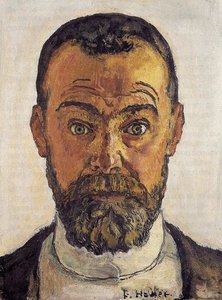
1853–1918, Šveits
Ferdinand Hodler
Surma arhitektuur Ferdinand Hodler sündis Šveitsis, Bernis aastal 1853 ning tema varajased aastad olid määratletud vaikse ja püsiva kadunäiduga. Enne tema noorehood, kust võtsid elu oma alla tuberkuloos, jäeti tema isa ja kaks nooremat brotherlise koduperhe tühimikku. See varane kohtumine kaotusega sai tema loomingus korduvaks motiiviks – varjuks, mis kaasas teda alates tema õpilasajastu vaatustest kuni professionaalse karjääri tipphetkideni. Ta alustas oma harjutamist dekoratiivmaljri kui õpilasena, aidates oma võimendatisaega kaubanduslike reklaaditööde tegemisel; see praktiline haridus andis talle täpse kontrolli joone ja vormi üle.
Teel Ferdinand Hodler kohta Ferdinand Hodler silmapaistvad teosed
Ka Ferdinand Hodler teosed
 Eiger, Monch and Jungfrau in Moonlight1908
 Woman in Ecstasy1911
 Sunset on Lake Geneva1915
 Study of two figures1897

Essee teemadel Composition study
 Visualizing Sorrow: How Historical Art Captures the Universal Experience of LossExplore how masters like David and Munch visually capture grief through art history. Discover the profound language of loss today.
 Mastering Parallelism: The 25 Greatest Artworks by Ferdinand HodlerImmerse yourself in the rhythmic beauty of Ferdinand Hodler. Explore 25 iconic masterpieces of Swiss Symbolism and Parallelism, from emotiv…
 Mastering Composition: The Secrets of the Rule of Thirds, Golden Ratio, and Diagonals in Impressionist ArtDiscover the invisible architecture of Impressionism. Explore how the Rule of Thirds, Golden Ratio, and dynamic diagonals create the lumino…