

 Vista previa
 Compartir
 Compartir
 Ver detalles
 Guía
Guía

 Descargar
 Ver artículos similares
 Radiografía
 Presentación de diapositivas
 Estadísticas
Landscape


 Leer más
Giclée / Impresión de arte
Impresiones giclée o en lienzo de calidad de museo con producción rápida y opciones de acabado flexibles. ( Encargar reproducción pintada a mano Ver versión en imagen digital)




P118B €10

P118H €10

P118W €10

P438Z €10

P508JH €12

P508YH €12

P805H €10

P805Z €10

P919BZ €10

P919G €10

P919XJ €10

P959ZH €10

P968JZ €12

W106C €8

W218G €10

W218JH €8

W218Y €10

W307PJ €10

W316G €10

W316PJ €8

W316Y €10

W398PJ €8

W4111J €10

W500HY €15

W500JH €15

W692G €12

W849H €8

W940BG €15

W953PJ €8




Elija entre nuestros tamaños predefinidos que respetan las proporciones originales de la obra.

Introduzca el ancho y el alto que necesite para adaptarse a su marco o pared. Una impresión solo puede recortarse, nunca hacerse más grande que la imagen original, por lo que un tamaño con una forma distinta perderá parte de la obra. Le enviaremos una maqueta digital para su aprobación antes de realizar cualquier impresión. La imagen que se muestra en esta página no refleja el recorte real; solo la maqueta lo hace.
Envío a todo el mundo () en 2 semanas en lugar de las 4/5 semanas estándar. (21 octubre)

Envío exprés gratuito a todo el mundo

Lienzo de lino de alta calidad

Seguro de envío completo

Garantía de reembolso de impuestos aduaneros

Garantía de fidelidad cromática exacta

Política de devolución de 100 días (solo por defectos)

Garantía de devolución del 100% del dinero

Oferta por volumen
 La opción de vidrio solo está disponible en tamaños inferiores a 110 cm.

Landscape
Giclée / Impresión de arte
Tamaño de la reproducción
-


Precio total
€ 70
Nicolas de Largillière’s “Landscape”: A Symphony of Light and Tranquility
The world of 17th-century French portraiture is often associated with opulent formality, yet within this tradition flourished a remarkable vein of serene landscapes – paintings that offered a respite from the constraints of courtly life. Nicolas de Largillière’s “Landscape,” painted around 1680, stands as a prime example of this quieter, more contemplative style, capturing not just a visual scene but also an atmosphere of profound peace and timeless beauty. It's a work that invites the viewer to step into its verdant depths and lose themselves in the gentle rhythms of nature.
Largillière’s approach diverges significantly from the dramatic, theatrical landscapes favored by some contemporaries. Instead, he presents a scene imbued with an understated elegance, prioritizing subtle details and a masterful manipulation of light. The composition is carefully balanced, drawing the eye through a winding path that leads into the heart of a densely wooded area. The foreground, dominated by a modest track, establishes a sense of intimacy, while the middle ground reveals a tapestry of trees – oaks, birches, and pines – rendered with meticulous attention to texture and form. The background fades gently into a hazy distance, suggesting an expansive horizon without overwhelming the viewer.
A Masterclass in Light and Shadow
What truly elevates “Landscape” is Largillière’s extraordinary command of light. He doesn't employ harsh contrasts or dramatic highlights; rather, he utilizes a diffused, almost ethereal illumination that permeates the entire scene. Sunlight filters through the canopy, casting dappled patterns on the forest floor and creating an interplay of light and shadow that breathes life into every leaf and branch. This delicate handling of chiaroscuro – the contrast between light and dark – is not merely decorative; it’s fundamental to the painting's emotional impact, lending a sense of depth, volume, and realism to the landscape.
The artist’s technique is remarkably refined. Largillière employs a loose, expressive brushstroke, particularly in depicting the foliage, which appears almost luminous. He builds up layers of color with subtle gradations, creating a rich tapestry of greens, browns, and yellows that evoke the changing seasons. The trees themselves are not sharply defined but rather suggested through carefully placed dabs of paint, conveying their form and texture without resorting to overly detailed rendering. This approach aligns perfectly with the prevailing Baroque aesthetic, prioritizing atmosphere and feeling over strict realism.
Symbolism and a Moment of Reflection
While Largillière’s landscapes are often characterized by their serene beauty, they also carry subtle symbolic weight. The winding path invites contemplation and suggests a journey – perhaps not just through the physical landscape but also through life itself. The dense forest can be interpreted as representing the complexities of nature, while the open spaces symbolize freedom and possibility. The painting’s overall mood is one of quiet reflection, encouraging the viewer to pause and appreciate the simple pleasures of the natural world.
Considering Largillière's background in portraiture, it’s intriguing to note how he translated his skills of capturing likeness and personality into this genre. The landscape isn’t merely a backdrop; it feels inhabited, imbued with a sense of stillness and tranquility that mirrors the contemplative nature of portraiture. The painting subtly evokes a feeling of escape – a momentary retreat from the pressures of daily life.
A Timeless Appeal
“Landscape” by Nicolas de Largillière is more than just a beautiful depiction of a forest scene; it’s a testament to the artist's skill, sensitivity, and profound understanding of light and atmosphere. Its enduring appeal lies in its ability to transport the viewer to a place of peace and tranquility, reminding us of the restorative power of nature. Reproductions of this remarkable work offer a chance to bring this serene vision into any space, fostering a sense of calm and contemplation – a valuable addition to any collection or interior design.
Preguntas y respuestas
¿Qué tono predominante recorre "Landscape" de Nicolas de Largillière?
Un tono Amber to Saffron recorre "Landscape" de Nicolas de Largillière.
¿Qué lugar ocupa "Landscape" dentro de la obra de Nicolas de Largillière?
"Landscape" comparte con otras obras de Nicolas de Largillière su estilo Baroque Portraiture y los temas recurrentes: flemish landscape tradition, french courtly portraiture, baroque light and shadow, genre scenes, everyday life, refined elegance, social status.
¿Cómo se relaciona el tema de "Landscape" con los temas habituales de Nicolas de Largillière?
Los temas recurrentes de Nicolas de Largillière incluyen flemish landscape tradition, french courtly portraiture, baroque light and shadow, genre scenes, everyday life, refined elegance, social status; "Landscape" se centra en landscape, forest, path, trees, sky, tranquility, composition.
Biografía del artista
Nicolás de Largillière: Una Vida Dedicada al Retrato
- Nacido: París, Francia (1656)
- Fallecido: 1746
Nicolás de Largillière fue un prominente pintor de retratos barroco francés que floreció a finales del siglo XVII y principios del XVIII. Su carrera abarcó varios períodos significativos de la historia europea, reflejando tanto las tendencias artísticas como los cambios políticos. La habilidad de Largillière para capturar la esencia de sus sujetos – desde la realeza hasta personas comunes – lo estableció como uno de los retratistas líderes de su tiempo.
Primeros Años y Formación
La primera etapa de vida de Largillière estuvo marcada por considerables viajes. Nacido en París, fue llevado a Amberes a los tres años por su padre, comerciante. Pasó casi dos años en Londres como niño antes de regresar a Amberes. Un negocio fallido lo llevó a buscar un aprendizaje con Anton Goubau, pero Largillière se marchó después de poco tiempo. Un momento crucial llegó cuando viajó a Inglaterra y trabajó para Peter Lely, el retratista líder de la corte inglesa, durante cuatro años en Windsor. Esta experiencia bajo Lely demostró ser invaluable, exponiéndolo a las técnicas y estilos que moldearían su propio desarrollo artístico. La controversia en torno a la Conspiración de Rye House contra los católicos motivó su regreso a París.
Logros Destacados y Estilo Artístico
- Patronazgo Real: Largillière rápidamente ganó reconocimiento en París, atrayendo la atención del rey Jacobo II, quien lo convocó brevemente de vuelta a Inglaterra. Pintó retratos de Jacobo II, la reina María de Modena y el Príncipe de Gales (aunque este último probablemente se completó más tarde en París).
- Membresía en la Academia Francesa: En 1686, produjo un retrato de Charles Le Brun, entonces presidente de la Academia Francesa, asegurando su aceptación en esta prestigiosa institución. Esto lo marcó como una figura significativa dentro del mundo artístico parisino.
- Pintura Histórica y Retrato: Largillière fue documentado por la Academia Francesa como pintor histórico, reflejando una tendencia artística más amplia. Sin embargo, se le conoció principalmente por sus retratos, representando figuras prominentes de la época, incluyendo Pierre de Montesquiou, gobernador de Arras, y miembros de la familia real.
- El Retrato de la Familia Real (1709): Su monumental retrato de la familia de Luis XIV, mostrando al rey, Madame de Ventadour y sus nietos, ejemplifica su dominio de la composición y la captura de personalidades individuales dentro de un entorno grupal. Empleó técnicas del Renacimiento de disposición estructurada en esta obra.
- Retratos Posteriores: Hacia el final de su carrera, Largillière pintó numerosos retratos de nobles parisinos, a menudo adoptando una pose distintiva con los dedos extendidos ocultando una carta o mostrando una vista frontal de tres cuartos contra un fondo de columna dórica. Obras posteriores notables incluyen retratos del rey Augusto II de Polonia, Jacques-Antoine Arlaud y Nicolas Couston.
El estilo de Largillière se caracteriza por su elegancia, realismo y atención al detalle. Empleó hábilmente la luz y la sombra para crear profundidad y dimensión en sus retratos, capturando los rasgos de sus sujetos con una precisión notable. Si bien influenciado por el enfoque de Peter Lely, Largillière desarrolló una sensibilidad parisina distintiva, incorporando elementos del estilo cortesano francés a sus composiciones.
Legado e Influencia
Nicolás de Largillière dejó atrás un cuerpo sustancial de obra que proporciona valiosas perspectivas sobre el panorama social y cultural del siglo XVIII en Francia. Sus retratos son admirados por su habilidad técnica y su capacidad para transmitir el carácter y el estatus de sus modelos. Formó a varios artistas notables, incluyendo Jean-Baptiste Oudry y Jacob van Schuppen, quienes continuaron en la tradición rococó. El legado de Largillière se extiende más allá de sus obras individuales; desempeñó un papel significativo en dar forma al desarrollo del retrato en Francia y contribuyó al prestigio de la Academia Francesa.
Colecciones
Obras de Nicolás de Largillière pueden encontrarse en numerosos museos prestigiosos en todo el mundo, incluyendo:
- Museo Ashmolean (Universidad de Oxford)
- Museo Fitzwilliam (Universidad de Cambridge)
- Honolulu Museum of Art
- El Louvre
- National Gallery of Art (Washington D.C.)
- Nelson-Atkins Museum of Art (Kansas City, Missouri)
- Musée des Beaux-Arts de Estrasburgo
- Pinacoteca di Brera (Milán)
- Museo Calouste Gulbenkian
- Museu Nacional de Arte Antiga (Lisboa)
- Museum De Fundatie (Zwolle)
- Detroit Institute of Arts (Detroit)
- Speed Art Museum (Louisville)

Nicolas de Largillière
1656 - 1746 , Francia
Datos clave
- Artistas Influenciados:
- Jean-Baptiste Oudry
- Jacob van Schuppen
- Artistas Que Influyeron:
- Anton Goubau
- Peter Lely
- Fecha De Muerte: 1746
- Fecha De Nacimiento: 1656
- Lugar De Nacimiento: París, Francia
- Movimiento Artístico: Barroco, Rococó
- Nacionalidad: Francés
- Nombre Completo: Nicolas de Largillière
- Obras Notables:
- Retrato de la Marquesa
- François de Gontaut
- Magistrados Municipales
- Princesa rákóczi
- André François Alloys
- Elizabeth Throckmorton
- Anne Frances Throckmorton
- Pomona
- Autorretrato
Artículos relacionados
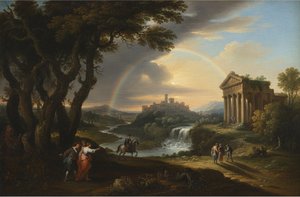
Shadow, Light, and Spectacle: The Dramatic Evolution of Baroque Landscape Painting
Explore the breathtaking drama of Baroque landscapes. Our expert guide delves into the interplay of light and shadow in 17th-century masterpieces. Discover art history and find museum-quality, hand-painted oil reproductions to bring classical grandeur to your home.

Drama in Nature: The Captivating Grandeur of Baroque Landscapes and the Art of Emotional Spectacle
Explore the breathtaking drama of Baroque landscapes. From Rubens's grand vistas to the mastery of chiaroscuro, discover how 17th-century artists transformed nature into a theatrical stage of emotion and light. A deep dive for true art enthusiasts.

Nature’s Sanctuary: Curating Enchanting Forest Artworks to Transform Your Home into a Serene Woodland Retreat
Transform your home into a serene woodland retreat with enchanting forest artworks. Discover museum-quality oil reproductions and custom landscape commissions designed to bring the peaceful beauty of nature indoors.

John Constable: Las 25 Obras Maestras del Paisaje Inglés | OriginalUniqueArt
Descubre las 25 obras maestras de John Constable, el pintor romántico inglés que capturó la belleza del paisaje. Explora su técnica, historia y significado en OriginalUniqueArt.com. Reproducciones de arte de alta calidad para tu hogar.
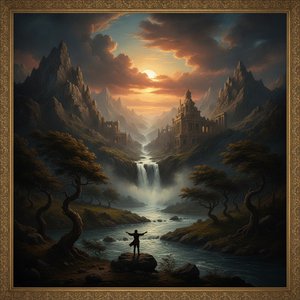
Epic Drama & Dark Vibes: The Ultimate Collector's Guide to Baroque Landscapes
Master the art of drama with our ultimate guide to Baroque landscapes. Discover the power of chiaroscuro, explore legendary masters, and learn how to curate epic, dark-vibe masterpieces for your collection with expert insights from OriginalUniqueArt.


