 Ver en contexto
 Enviar
 Compartir
 Detalles
 Guía
Guía

 Descargar
 Similares
 Radiografía
 Presentación de diapositivas
 Q&A
Q&A Estadísticas
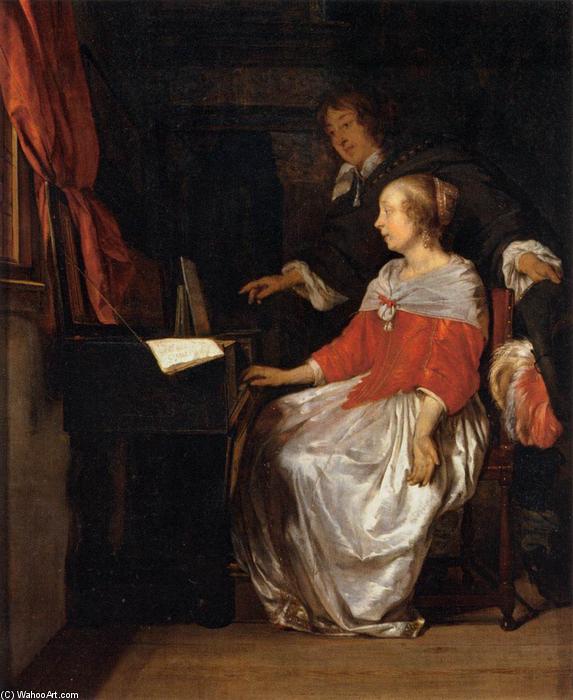
El jugador de virginal

- 32.0 x 24.0 cm


 Ver más
Giclée / Impresión de arte
Impresiones giclée o en lienzo de calidad de museo con producción rápida y opciones de acabado flexibles. ( Comprar pintura hecha a mano Cambiar a imagen digital)




P118B €10

P118H €10

P118W €10

P438Z €10

P508JH €12

P508YH €12

P805H €10

P805Z €10

P919BZ €10

P919G €10

P919XJ €10

P959ZH €10

P968JZ €12

W106C €8

W218G €10

W218JH €8

W218Y €10

W307PJ €10

W316G €10

W316PJ €8

W316Y €10

W398PJ €8

W4111J €10

W500HY €15

W500JH €15

W692G €12

W849H €8

W940BG €15

W953PJ €8




Elija entre nuestros tamaños predefinidos que respetan las proporciones originales de la obra.

Introduzca el ancho y el alto que necesite para adaptarse a su marco o pared. Una impresión solo puede recortarse, nunca hacerse más grande que la imagen original, por lo que un tamaño con una forma distinta perderá parte de la obra. Le enviaremos una maqueta digital para su aprobación antes de realizar cualquier impresión. La imagen que se muestra en esta página no refleja el recorte real; solo la maqueta lo hace.
Envío a todo el mundo () en 2 semanas en lugar de las 4/5 semanas estándar. (2 noviembre)

Envío exprés gratuito a todo el mundo

Lienzo de lino de alta calidad

Seguro de envío total

Garantía de reembolso de aranceles aduaneros

Garantía de fidelidad cromática exacta

Política de devolución de 100 días (solo por defectos)

Garantía de devolución del 100% del dinero

Descuento por cantidad
 La opción de vidrio solo está disponible en tamaños inferiores a 110 cm.

El jugador de virginal
Giclée / Impresión de arte
Dimensiones de la reproducción
-


Precio total final
€ 71
A Moment Frozen in Time: Exploring Gabriel Metsu’s “The Virginal Player”
Gabriel Metsu, a Dutch Golden Age painter born in Leiden in 1629, stands as an enigmatic figure whose artistic legacy continues to captivate scholars and connoisseurs alike. Unlike his contemporaries like Rembrandt and Vermeer who achieved widespread fame during their lifetimes, Metsu's oeuvre remained relatively modest—only fourteen of his estimated 133 paintings bear definitive dates—yet those works possess a remarkable depth of observation and psychological insight that distinguishes them from many others of the era. This essay delves into the artistic world of Metsu, examining “The Virginal Player,” a masterpiece that exemplifies his signature style and offers a poignant glimpse into the social milieu of seventeenth-century Holland.Subject Matter and Composition: A Portrait Steeped in Domestic Tranquility
“The Virginal Player” depicts a serene tableau featuring a woman seated at a virginal (a keyboard instrument popular for playing music) alongside her husband, who is positioned to her right. The scene unfolds within the confines of a richly decorated room—a chair stands behind them, and another sits further back—creating an intimate space that invites contemplation. Metsu’s meticulous attention to detail extends beyond the central figures; a book rests on the left side of the canvas, subtly suggesting an engagement with musical practice or perhaps a moment of quiet reflection. The composition is carefully balanced, emphasizing harmony and conveying a sense of peaceful domesticity—a characteristic feature of Metsu's genre paintings.Style and Technique: Baroque Precision Meets Subtle Emotion
Metsu’s artistic approach defies easy categorization, earning him the moniker “a highly eclectic artist.” He eschewed rigid stylistic conventions, favoring instead a blend of influences drawn from Rembrandt and Vermeer, artists who had established themselves as masters of realism and tonal modulation. Metsu's technique is characterized by exceptional precision—evident in the rendering of fabrics, textures, and facial expressions—yet he skillfully employs subtle gradations of light and shadow to imbue his subjects with palpable emotion. The muted palette—dominated by earthy tones—contributes to the painting’s contemplative atmosphere, mirroring the quiet dignity of the depicted figures.Historical Context: Reflecting Dutch Society's Values
“The Virginal Player” was created around 1661, during the apex of the Dutch Golden Age—a period marked by unprecedented artistic flourishing and economic prosperity. This era witnessed a burgeoning interest in portraiture, particularly amongst the upper classes who sought to commemorate their families and convey social status. Metsu’s depiction captures not only the physical appearance of his subjects but also hints at their inner lives—their intellectual pursuits and emotional connections—reflecting broader societal values concerning education, marriage, and familial piety prevalent during the time.Symbolism: Music as Embodiment of Virtue
The virginal itself serves as a potent symbol within the painting—representing musical virtue and refinement. In seventeenth-century Holland, music was considered an essential element of civilized upbringing, particularly for young women destined for marriage. Metsu’s inclusion of this instrument underscores the importance placed on intellectual pursuits and moral character—themes that resonate throughout his oeuvre. The woman's gaze directs towards the virginal, symbolizing her engagement with culture and demonstrating a commitment to upholding societal ideals.Emotional Impact: Capturing Quiet Dignity and Intimacy
Ultimately, “The Virginal Player” transcends mere visual representation; it evokes a profound sense of tranquility and intimacy. Metsu’s masterful handling of light and shadow creates an atmosphere of understated elegance—drawing the viewer into a moment frozen in time. The figures appear calm, dignified, and deeply connected—suggesting a harmonious relationship underpinned by mutual respect and affection. This enduring quality speaks to Metsu's ability to capture not just what he saw but also what he felt—a testament to his artistic genius and a lasting contribution to the canon of Baroque art.Preguntas y respuestas
¿A qué etapa de la trayectoria de Gabriel Metsu pertenece "El jugador de virginal" (1661)?
Dada su fecha de 1661, "El jugador de virginal" se sitúa en el Mature Period de Gabriel Metsu.
¿Cómo se describe la atmósfera de "El jugador de virginal" de Gabriel Metsu?
"El jugador de virginal" transmite una atmósfera Elegante.
¿Es "El jugador de virginal" representativo de la temática habitual de Gabriel Metsu?
Los temas recurrentes de Gabriel Metsu incluyen rembrandt inspiration, domestic harmony symbolism, dutch tradition values, genre painting mastery, artist’s personal vision; "El jugador de virginal" se centra en piano music, woman playing piano, musical instrument, domestic scene, dutch golden age, portrait genre, interior composition.
Biografía del artista
Una Vida de Exploración Artística: Gabriël Metsu
- Nacimiento: Leiden, Países Bajos (1629)
- Fallecimiento: 1667
Primeros Años e Influencias
Gabriël Metsu vivió una vida marcada por la exploración artística y la innovación. Nacido en 1629, era hijo de Jacques Metsu, un fabricante de tapices y pintor originario de Hainault. Este trasfondo diverso probablemente influyó en su temprano interés en diversas técnicas artísticas. La mudanza familiar a Leiden lo expuso a numerosas influencias culturales.
Carrera Artística: Un Estilo Ecléctico
La carrera de Metsu se caracterizó por una adhesión a ningún estilo o técnica única, ganándose el título de "un artista altamente ecléctico". Su obra abarcó pinturas históricas, bodegones, retratos y obras de género. Notablemente, solo 14 de sus 133 obras conocidas están fechadas, lo que deja mucho por descubrir sobre su proceso creativo.
- Primeras Influencias: La influencia de Rembrandt van Rijn en la obra temprana de Metsu es evidente en su uso de la luz y el color.
- Período de Ámsterdam (a partir de 1655): Su traslado a Ámsterdam marcó un cambio hacia interiores domésticos y escenas de género, con mayor énfasis en el detalle y el realismo.
- Formación y Mentoría: Formó a Michiel van Musscher y Joost van Geel, lo que refleja su compromiso con la comunidad artística.
Obras Notables y Desarrollo Artístico
Las pinturas de Metsu a menudo presentaban mujeres jóvenes, escenas de mercado y ancianos, basándose en los emblemas populares de la época. Su estilo evolucionó a lo largo de su carrera, demostrando un dominio de diversas técnicas.
- El Niño Enfermo (c. 1664): Esta obra refleja la admiración de Metsu por el meticuloso detalle y el uso de la luz de Johannes Vermeer.
- Retrato de la Familia Hinlopen: Una obra maestra que combina la pintura de género con el retrato, mostrando su capacidad para capturar tanto el carácter individual como la vida doméstica.
- El Hijo Pródigo (c. 1640): Demuestra una influencia barroca con su composición dramática y ricos detalles.
- Temas Recurrentes: Metsu representó frecuentemente escenas de la vida cotidiana, a menudo imbuídas de significado simbólico.
Significado Histórico y Legado
El legado de Gabriël Metsu reside en su versatilidad y contribución a la Edad de Oro holandesa. Su estilo ecléctico, aunque a veces enigmático, influyó en generaciones posteriores de artistas. Hoy en día, sus obras se conservan en prestigiosos museos de todo el mundo.
- Pintor de la Edad de Oro Holandesa: Es reconocido como una figura significativa dentro del vibrante panorama artístico del siglo XVII neerlandés.
- Colecciones de Museos: Sus pinturas se pueden encontrar en varios museos, incluido el Rijksmuseum de Ámsterdam.
- Apreciación Continua: El arte de Metsu continúa fascinando e inspirando a los espectadores con su realismo, detalle y sutiles narrativas.

Gabriel Metsu
1629 - 1667 , Países Bajos
Datos clave
- Artistas Que Influyeron: ['Rembrandt van Rijn']
- Fecha De Fallecimiento: 1667
- Fecha De Nacimiento: 1629
- Lugar De Nacimiento: Leiden, Países Bajos
- Movimiento Artístico: Edad de Oro Holandesa
- Nacionalidad: Holandés
- Nombre Completo: Gabriël Metsu
- Obras Notables:
- El niño enfermo
- Retrato de la familia Hinlopen
- Vendedora de aves de corral
- La escritora sorprendida
- El hijo pródigo
Artículos relacionados

La Luz y la República: Innovación Artística en el Siglo de Oro Neerlandés
Descubra la innovación artística del Siglo de Oro Neerlandés. Explore las obras maestras de Rembrandt y Vermeer, técnicas revolucionarias y el legado perdurable de este florecimiento cultural. ¡Sumérjase en la luz y la belleza!

Los 10 Maestros del Siglo de Oro Holandés: Arte, Historia y Decoración Exclusiva
Descubre los 10 imprescindibles del Siglo de Oro Holandés: Rembrandt, Vermeer y más. Explora la historia, técnica y belleza de estos lienzos clásicos. Encuentra reproducciones de arte exclusivas para decorar tu hogar en .

Las 25 obras maestras de Dante Gabriel Rossetti: El alma del arte prerrafaelita
Explora las 25 obras maestras de Dante Gabriel Rossetti y el arte prerrafaelita. ¡Descubre toda la colección en OriginalUniqueArt.com!

Golden Light & Dutch Skies: The Timeless Magic of Dutch Golden Age Landscapes
Discover the breathtaking beauty of Dutch Golden Age landscapes. Explore the mastery of light, chiaroscuro, and 17th-century realism through an expert art history lens, celebrating the enduring legacy of the Dutch Masters for discerning collectors and art lovers.

Reflejos de una Época Dorada: La Pintura Barroca Holandesa y la Innovación Cultural
Descubra la riqueza y el detalle de la pintura barroca holandesa del Siglo de Oro. Explore las obras maestras de Rembrandt, Vermeer y otros artistas clave. Análisis experto e historia cultural.