Text size

() ·

A painting made for you, by hand

The Nativity

Reproducción al óleo hecha a mano

Óleo sobre lienzo pintado a mano en el tamaño y marco de su elección, realizado por encargo por nuestros artistas. ( Cambiar a impresiones Cambiar a imagen digital)

Descripción del objeto

Discover the Baroque brilliance of Palermo's Oratorio di San Lorenzo! Marvel at Serpotta’s stunning stucco work, explore religious art & uncover a lost Caravaggio masterpiece – a hidden Sicilian gem.

Biografía del artista

Lorenzo di Bicci (c. 1350-1427) fue un pintor italiano de la escuela florentina conocido por colores brillantes, ejecución precisa y obras devocionales encargadas por gremios y clérigos. Una figura clave en el arte italiano del siglo XIV influyendo artistas como Jacopo di Cione.

from ·

Chapter 1

How large should it be?

Slide to change the size; the picture on the left shows the frame at its real width. The proportions of the original are kept.

Tamaño estándar
a medida
CM
INCH

Elija entre nuestros tamaños predefinidos que respetan las proporciones originales de la obra.

ancho
altura

Indique el ancho y el alto que necesite para adaptarse a su marco o pared. Al tratarse de una obra pintada a mano, si requiere un tamaño con una proporción distinta, el artista puede pintar un poco más alrededor de la imagen o recortarla ligeramente; usted elige. Le enviaremos una maqueta digital para su aprobación antes de comenzar la pintura. La imagen que se muestra en esta página no refleja el resultado real; solo la maqueta lo hace.

Chapter 2

How should it arrive?

Choose the edges of the stretched canvas

Choose your frame

Corner sample of the WhiteWrap canvas edge finish, stretched on madera maciza bars
White €1
Corner sample of the BlurSideWrap canvas edge finish, stretched on madera maciza bars
Blurside €1
Corner sample of the ExtendedWrap canvas edge finish, stretched on madera maciza bars
Extended €1
Corner sample of the P118B picture frame: poliestireno moldeado, 5 cm wide and 3 cm thick
P118B €10
Corner sample of the P118H picture frame: poliestireno moldeado, 5 cm wide and 3 cm thick
P118H €10
Corner sample of the P118W picture frame: poliestireno moldeado, 5 cm wide and 3 cm thick
P118W €10
Corner sample of the P438Z picture frame: poliestireno moldeado, 5.5 cm wide and 3.5 cm thick
P438Z €10
Corner sample of the P508JH picture frame: poliestireno moldeado, 7 cm wide and 3.5 cm thick
P508JH €12
Corner sample of the P508YH picture frame: poliestireno moldeado, 7 cm wide and 3.5 cm thick
P508YH €12
Corner sample of the P805H picture frame: poliestireno moldeado, 5 cm wide and 3.5 cm thick
P805H €10
Corner sample of the P805Z picture frame: poliestireno moldeado, 5 cm wide and 3.5 cm thick
P805Z €10
Corner sample of the P919BZ picture frame: poliestireno moldeado, 7 cm wide and 3.5 cm thick
P919BZ €10
Corner sample of the P919G picture frame: poliestireno moldeado, 7 cm wide and 3.5 cm thick
P919G €10
Corner sample of the P919XJ picture frame: poliestireno moldeado, 7 cm wide and 3.5 cm thick
P919XJ €10
Corner sample of the P959ZH picture frame: poliestireno moldeado, 5 cm wide and 3 cm thick
P959ZH €10
Corner sample of the P968JZ picture frame: poliestireno moldeado, 6 cm wide and 4 cm thick
P968JZ €12
Corner sample of the W106C picture frame: madera maciza, 5 cm wide and 3 cm thick
W106C €8
Corner sample of the W218G picture frame: madera maciza, 5 cm wide and 3 cm thick
W218G €10
Corner sample of the W218JH picture frame: madera maciza, 5 cm wide and 3 cm thick
W218JH €8
Corner sample of the W218Y picture frame: madera maciza, 5 cm wide and 3 cm thick
W218Y €10
Corner sample of the W307PJ picture frame: madera maciza, 6 cm wide and 3 cm thick
W307PJ €10
Corner sample of the W316G picture frame: madera maciza, 6 cm wide and 3 cm thick
W316G €10
Corner sample of the W316PJ picture frame: madera maciza, 6 cm wide and 3 cm thick
W316PJ €8
Corner sample of the W316Y picture frame: madera maciza, 6 cm wide and 3 cm thick
W316Y €10
Corner sample of the W398PJ picture frame: madera maciza, 5 cm wide and 3 cm thick
W398PJ €8
Corner sample of the W4111J picture frame: madera maciza, 6.5 cm wide and 3.5 cm thick
W4111J €10
Corner sample of the W500HY picture frame: madera maciza, 7 cm wide and 5 cm thick
W500HY €15
Corner sample of the W500JH picture frame: madera maciza, 7 cm wide and 5 cm thick
W500JH €15
Corner sample of the W692G picture frame: madera maciza, 8 cm wide and 4 cm thick
W692G €12
Corner sample of the W849H picture frame: madera maciza, 5 cm wide and 3 cm thick
W849H €8
Corner sample of the W940BG picture frame: madera maciza, 7.5 cm wide and 4.5 cm thick
W940BG €15
Corner sample of the W953PJ picture frame: madera maciza, 6 cm wide and 3.5 cm thick
W953PJ €8
Corner sample of the H24-GOLD picture frame: madera tallada con estuco, 10 cm wide and 6 cm thick
H24-GOLD €30
Corner sample of the H24-SILVER picture frame: madera tallada con estuco, 10 cm wide and 6 cm thick
H24-SILVER €30
Corner sample of the H36-GOLD picture frame: madera tallada con estuco, 15 cm wide and 6.5 cm thick
H36-GOLD €45
Corner sample of the H36-SILVER picture frame: madera tallada con estuco, 15 cm wide and 6.5 cm thick
H36-SILVER €45

Moulding: . Overall size with the frame: .

Chapter 3

Who paints it, and should anything change?

Examples of what can be changed: Replace face with customer photo; Add pet (e.g., replace cat with dog); Include hidden message in background; Change background landscape or elements.
After order, OriginalUniqueArt.com team will email client for instructions and provide a mockup preview

Envío a todo el mundo () en 3-4 semanas en lugar de las 5 semanas estándar. (2 noviembre). Sin comprometer la calidad.

Chapter 4

The finishing touches

A nameplate, as in a museum?

Detalles de la placa de bronce grabada

This elegant plaque features the artist's name and the title of the artwork, finely engraved for a timeless presentation.

It is made from bronze with a refined, elegant finish. The text is precisely laser-engraved for a sharp and permanent result. Measuring 9x2 cm, the plaque is compact yet easy to read. It's built to be durable and scratch-resistant, offering a professional, museum-quality look. Mounting is simple thanks to the included adhesive backing.

Detalles de la placa de acrílico transparente

The plaque includes essential engraved details such as the artist's name, the title of the artwork, the date it was created, the type of media used-like oil on canvas or watercolor-a brief description of the piece, and a QR code that links to the complete artwork information.

It is crafted from clear acrylic, offering a sleek, modern appearance. The text is UV-engraved in black to ensure strong visual contrast. With a size of 10x15 cm, it ensures optimal readability. It comes equipped with two metal hooks for secure wall mounting. The plaque is designed to be weather-resistant, making it suitable for various environments, and it includes interactive features that work seamlessly with smartphone scanning.

Detalles de la placa de acrílico negro

This elegant plaque includes engraved information such as the artist's name, the title of the artwork, the date it was created, the type of media used (like oil on canvas or watercolor), a short description of the artwork, and a QR code for quick access to more information.

The plaque itself is made from refined black acrylic with a premium finish. The text is laser-engraved in white for high contrast and readability. Its size is 10x15 cm, designed to be easy to read. It comes with two metal hooks for professional mounting. The design is sleek and fits any interior style. It is also weather-resistant and durable, with built-in digital integration for mobile compatibility.

A protective varnish?

When do you need it?

Chapter 5

Your painting, as you ordered it

The Nativity

Técnica de reproducción

Dimensiones de la reproducción

-

Selección de artistas premium

Mayor nivel de detalle, delicadeza y tiempo de producción adicional

-

Enmarcado de reproducción

-

-

Para obras de arte o reproducciones que midan más de 105 cm (aproximadamente 41 pulgadas) en cualquiera de sus lados, el marco se enviará como un kit desmontado. Este método garantiza una entrega segura y evita daños durante el transporte.

Se requiere montaje profesional: este no es un producto para hacer usted mismo (DIY).
El kit debe ser ensamblado y el lienzo tensado por un enmarcador profesional con experiencia, utilizando cola para madera (no incluida), una tenaza para tensar lienzos y sargentos para mantener los bastidores alineados mientras la cola se seca. Un montaje incorrecto o una tensión desigual del lienzo pueden dañar la obra de arte de forma permanente y no están cubiertos por nuestra garantía.

  • Se incluyen todos los listones de madera maciza, cortados con precisión según las medidas.

  • Se ensambla con los tornillos incluidos, además de cola para madera para las uniones de las esquinas, la cual no se incluye y debe ser proporcionada por su enmarcador.

  • Se requieren herramientas profesionales que no están incluidas: un alicate para tensar lienzos (tensor) y abrazaderas para mantener los bastidores alineados mientras se seca el pegamento.

Importante:
Las uniones de las esquinas requieren cola para madera, los listones deben sujetarse con prensas hasta que la cola esté completamente seca, y para tensar el lienzo en el bastidor ensamblado se requiere una pinza para tensar lienzos. Ninguno de estos elementos está incluido en el kit. Por favor, contacte con un profesional del enmarcado con experiencia antes de realizar un pedido de este tamaño.

Cartela

-

-

Barniz protector

Barniz brillante (realza los colores y protege contra la luz y la humedad)

-

Personalizar mi obra

Ejemplos de lo que se puede personalizar: sustituir el rostro por una foto del cliente; añadir una mascota (por ejemplo, cambiar un gato por un perro); incluir un mensaje oculto en el fondo; cambiar el paisaje o los elementos del fondo.

-

Envío urgente

Envío a todo el mundo () en 3 o 4 semanas, en lugar de las 5 semanas habituales. (2 noviembre). Sin comprometer la calidad.

-

Envío urgente

Envío internacional () en 5 semanas. (9 noviembre).

Incluido

Precio total final

€ 267

Precio total € 267

La opción de vidrio solo está disponible en tamaños inferiores a 110 cm.

Included with every order

  • Envío exprés gratuito a todo el mundo
  • Lienzo de lino de alta calidad
  • Seguro de envío total
  • Garantía de reembolso de aranceles aduaneros
  • Garantía de fidelidad cromática exacta
  • Política de devolución de 100 días (solo por defectos)
  • Garantía de devolución del 100% del dinero
  • Descuento por cantidad

A Moment of Divine Reverence: Bicci Di Lorenzo’s Nativity

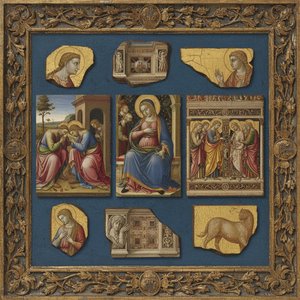
The Florentine School of painting flourished during the fifteenth century, propelled by humanist ideals and fueled by patronage from wealthy families like the Medici. Amidst this artistic dynamism emerged Bicci di Lorenzo (c. 1373–1427), a master whose devotion to religious art produced works that continue to resonate with viewers today. This magnificent Nativity panel—measuring 88 x 58 cm—offers a captivating glimpse into the aesthetic sensibilities of its time and stands as a testament to Lorenzo’s meticulous craftsmanship and profound understanding of visual storytelling.

Style & Technique: Renaissance Realism Embodied

Lorenzo di Bicci skillfully blended elements of Gothic tradition with burgeoning Renaissance realism, reflecting the evolving artistic landscape of Florence. Like many artists of his era, he embraced tempera paint on wood—a technique favored for its luminosity and durability—allowing him to achieve remarkable detail and tonal gradation. The artist’s brushstrokes are deliberate yet graceful, conveying a sense of movement and capturing the subtle nuances of light and shadow. Careful observation of nature informed Lorenzo's approach, evident in the depiction of the rocky outcrop supporting the shepherds and the soft textures of Mary’s robe and Jesus’ infant skin. This meticulous attention to realism distinguishes his work from earlier Gothic styles, aligning it squarely with the humanist preoccupation for accurate representation.

Historical Context: Florence Under Medici Influence

The painting's creation coincided with a period of significant cultural transformation in Florence under the rule of Cosimo I de' Medici—a visionary patron who championed artistic innovation and fostered an environment conducive to intellectual discourse. The Medicis’ commitment to humanist scholarship profoundly impacted Florentine art, encouraging artists to explore themes of human dignity and spiritual contemplation. Lorenzo di Bicci’s Nativity aligns perfectly with this broader cultural ethos, reflecting the Renaissance fascination with biblical narratives and its desire to convey profound theological truths through visual imagery. It exemplifies the artistic fervor that characterized Florence during Cosimo I's reign—a time when art served not merely as decoration but as a vehicle for conveying moral and spiritual values.

Symbolism & Narrative Depth: The Language of Faith

The Nativity scene itself is laden with symbolic significance, reflecting Christian beliefs about incarnation and salvation. Mary’s kneeling posture symbolizes humility and piety, while the infant Jesus nestled in the manger represents divine grace and vulnerability. The shepherds—representing the humble witnesses to God's plan—offer a poignant reminder that holiness resides not only in royalty but also in simplicity. Above all, the angel heralds the miraculous birth of Christ—a pivotal event in Christian theology signifying redemption from sin and eternal life. Lorenzo di Bicci’s masterful composition skillfully guides the viewer’s gaze across the scene, emphasizing these key elements of the narrative and fostering a contemplative response.

Emotional Impact: A Window into Renaissance Spirituality

Looking upon Bicci di Lorenzo’s Nativity panel evokes a palpable sense of serenity and reverence—a feeling deeply rooted in the spiritual values of the Renaissance period. The artist's skillful use of color—primarily earthy tones accented by subtle highlights—creates an atmosphere of warmth and solemn beauty. More than just depicting a biblical story, Lorenzo’s artwork aspires to inspire contemplation and convey the profound mystery of faith. It stands as enduring proof of the power of art to communicate spiritual truths and elevate the human spirit—a legacy that continues to captivate audiences centuries after its creation.

Preguntas y respuestas

¿Con qué técnica se realizó "The Nativity"?

Bicci Di Lorenzo utilizó la técnica de Acrylic On Canvas para "The Nativity". La técnica define la naturaleza material de la obra original.

¿Qué temas aparecen en "The Nativity" de Bicci Di Lorenzo?

Los temas presentes en "The Nativity" de Bicci Di Lorenzo incluyen nativity, religious art, shepherds, angel, manger, florence, renaissance, los cuales resumen la temática de la obra.

¿Qué colores predominan en "The Nativity" de Bicci Di Lorenzo?

"The Nativity" se define por una paleta de Dark con predominio del Bronze (#e09d46).

More about this painting

Ver en contexto Vista previa en RA Cambiar a impresiones Cambiar a imagen digital Enviar
Detalles Guía Añadir a favoritos Descargar Similares Radiografía Presentación de diapositivas Q&A Estadísticas

In numbers

  • 29frames to choose from
  • standard sizes, in its own proportions
  • 5weeks to paint and deliver it
Bicci Di Lorenzo

Bicci Di Lorenzo

1350 - 1427, Italia

Quick facts about Bicci Di Lorenzo

  • Artistic Movement Or Style: Escuela Florentina
  • Artists Who Influenced This Artist:
    • Andrea di Cione
    • Jacopo di Cione
  • Date Of Birth: c. 1373
  • Date Of Death: 1452
  • Full Name: Lorenzo di Bicci
  • Nationality: Italiano
  • Notable Artworks:
    • San Martín Entronizado
    • Santos Juan y Mateo
    • Los cuatro evangelistas (detalle)
  • Place Of Birth: Florence, Italia

Biografía del artista

Lorenzo di Bicci (c. 1373–1452): Un Maestro Florentino de la Devoción

Lorenzo di Bicci, nacido alrededor de 1373 en Florencia, se erige como una figura fundamental dentro de la floreciente Escuela Florentina de pintura durante la segunda mitad del siglo XIV y principios del XV. Aunque los detalles biográficos siguen siendo escasos —con la identidad de su padre envuelta en la oscuridad—, el consenso académico establece firmemente el aprendizaje de Lorenzo bajo la tutela de Jacopo di Cione y Andrea di Cione, artistas cuyas innovaciones estilísticas moldearon profundamente su trayectoria artística. Este linaje lo consolidó dentro de un entorno vibrante, caracterizado por la experimentación con paletas cromáticas y una fluidez compositiva que reflejaba las tendencias más amplias de la época.
  • Primeros años y formación: Los años formativos de Lorenzo transcurrieron inmerso en el taller de su padre, Jacopo di Bicci, un artesano cuyas propias labores artísticas presagiaron el enfoque distintivo de Lorenzo. Su pertenencia al Gremio de San Lucas hacia 1370 le proporcionó un acceso invaluable al conocimiento artístico y fomentó conexiones dentro del floreciente paisaje cultural de Florencia.
  • Inicios de su carrera y mecenazgo: Su encargo debut, un panel que representa a San Martín Entronizado para el gremio de la *Arte dei Vinattieri*, ejemplifica el compromiso de Lorenzo con el servicio a la ciudadanía florentina —particularmente al clero y a los gremios—, un patrón que definiría su carrera profesional. Las colaboraciones con Agnolo Gaddi y Corso di Jacopo perfeccionaron aún más sus habilidades y lo expusieron a corrientes artísticas influyentes.
  • Estilo y técnica: El estilo de Lorenzo es instantáneamente reconocible por su elegancia contenida y su ejecución magistral. A diferencia de muchos contemporáneos que adoptaron grandes narrativas y una ornamentación elaborada, él favoreció composiciones caracterizadas por una simetría equilibrada y una evitación deliberada de la complejidad. Sus figuras poseían expresiones serenas —a menudo desprovistas de emoción— y eran representadas con una precisión anatómica excepcional, reflejando la influencia del meticuloso dibujo de Andrea di Cione.
  • Obras notables: El legado artístico de Lorenzo se consolida mediante varias pinturas icónicas que continúan cautivando al público actual. Los *Santos Juan Bautista y Minias*, albergados en el Museo Legion of Honor de San Francisco, muestran su capacidad para transmitir profundidad espiritual a través de sutiles armonías de color y detalles arquitectónicos. Del mismo modo, el fresco de los *Cuatro Evangelistas* —testimonio de la destreza técnica de Lorenzo— demuestra un dominio magistral de la perspectiva y las técnicas de sombreado.
  • Legado e influencia: La producción artística de Lorenzo di Bicci impactó profundamente a las generaciones posteriores de pintores florentinos, notablemente a su hijo Neri di Bicci, quien continuó la tradición familiar del arte devocional. Su inquebrantable dedicación al retrato de temas religiosos —sumada a su compromiso con el servicio a la comunidad florentina— consolida su posición como piedra angular del desarrollo artístico del Renacimiento y como un símbolo perdurable de la piedad florentina.

Los Frescos de Palazzo Medici: Un Reflejo del Mecenazgo y la Innovación Artística

La empresa más ambiciosa de Lorenzo fue, sin duda, el ciclo de frescos que adornan el Palazzo Medici —encargado por Cosimo I de' Medici—, un proyecto que consolidó su reputación como un artista líder de su tiempo. Estas pinturas monumentales, que representan escenas de la historia bíblica y narrativas mitológicas, representan la cúspide del arte renacentista florentino, exhibiendo el dominio de Lorenzo sobre el color, la composición y la perspectiva. Los frescos sirvieron no solo como elementos decorativos, sino también como poderosas declaraciones del mecenazgo de los Médici, demostrando el papel transformador que las encomiendas aristocráticas desempeñaron en la configuración de las tendencias artísticas.

Explorando las Conexiones Artísticas de Lorenzo: Influencias y Colaboraciones

El desarrollo artístico de Lorenzo estuvo inextricablemente ligado a sus interacciones con otros maestros y artesanos, fomentando un intercambio dinámico de ideas dentro del ecosistema artístico de Florencia. Su aprendizaje bajo Jacopo di Cione le inculcó un aprecio por las paletas de colores expresivas —una característica que impregnaría sus propias obras—, mientras que sus colaboraciones con Andrea di Cione perfeccionaron su habilidad en el dibujo y lo expusieron a estrategias compositivas innovadoras. Además, la vinculación de Lorenzo con el Gremio de San Lucas facilitó el acceso a recursos artísticos y fortaleció sus lazos dentro del vibrante entorno cultural florentino.

Un Pintor Dedicado a la Fe: Temas y Simbolismo en la Obra de Lorenzo

La producción artística de Lorenzo di Bicci se centró consistentemente en temas religiosos —principalmente representaciones de santos, narrativas bíblicos y escenas litúrgicas—, reflejando la influencia omnipresente de la piedad en la sociedad florentina durante su vida. Sus pinturas empleaban una imaginería simbólica —basándose en las convenciones establecidas de la iconografía medieval— para transmitir verdades espirituales y evocar respuestas emocionales en los espectadores. Las expresiones serenas de sus figuras —a menudo carentes de emociones desbordantes— subrayaban una estética contemplativa que distinguía la obra de Lorenzo de otras propuestas artísticas más flamígeras presentes en otras partes de Europa.

Reflexiones Finales: La Significación Perdurable de Lorenzo di Bicci

La contribución de Lorenzo di Bicci al arte florentino trasciende la mera innovación estilística; él encarna el espíritu humanista de su era, caracterizado por un profundo compromiso con los ideales clásicos y una voluntad de retratar la experiencia humana con dignidad y compasión. Su inquebrantable dedicación al servicio de la comunidad florentina —unida a su maestría en la técnica artística— consolida su posición como uno de los pintores más influyentes del siglo XIV, asegurando que su legado continúe inspirando tanto a artistas como a estudiosos.

Datos clave

  • Artist: bicci di lorenzo
  • Influences:
    • Jacopo di Cione
    • Andrea di Cione
  • Medium: Oil on wood
  • Title: The Nativity
  • Artistic style: Renaissance Art

Test de conocimientos artísticos

Cada pregunta tiene una única respuesta correcta.

Pregunta 1:
What artistic movement is represented by this painting?
Pregunta 2:
Who is depicted as the central figure in 'The Nativity'?
Pregunta 3:
What stylistic characteristic distinguishes this painting from earlier artistic traditions?
Pregunta 4:
The painting utilizes light and shadow to create:
Pregunta 5:
What is Bicci di Lorenzo known for?
Explore obras de arte organizadas por temas, estilos y características.