




Una Crónica de Visiones: El Alma del Patrimonio Artístico de Colonia
Enclavado en el corazón histórico de Colonia, el Museo Wallraf-Richartz & Fondation Corboud se erige como un profundo testimonio del poder perdurable de la creatividad humana y el mecenazgo privado. Es mucho más que un mero repositorio de obras maestras; es un viaje inmersivo a través del tejido mismo de la historia del arte europeo. Desde las serenas y espirituales profundidades de la Edad Media hasta la vibrante experimentación que desafió los límites a principios del siglo XX, el museo ofrece una narrativa continua de cómo la humanidad ha percibido la belleza, la divinidad y el propio ser. La historia de esta institución está inextricablemente ligada a la identidad de la propia Colonia, una ciudad que ha resistido el auge y la caída de imperios, permaneciendo, sin embargo, como un guardián inquebrantable de la memoria cultural. Fundado gracias al legado de Ferdinand Franz Wallraf y Johann Heinrich Richartz, el museo actúa como un puente entre eras, invitando a los visitantes a presenciar la evolución gradual del estilo, el pensamiento y la emoción.
La arquitectura del museo establece un diálogo inmediato y sorprendente entre la antigüedad y la modernidad. Diseñada por Oswald Mathias Ungers e inaugurada en 2001, la estructura evita deliberadamente la estética pesada y tradicional de los museos en favor de líneas limpias y modernas, junto con espacios amplios y contemplativos. No obstante, bajo su piel contemporánea late una profunda conexión con el mundo antiguo; el museo está construido sobre los cimientos del templo romano de Colonia dedicado a Marte, un sutil recordatorio de que incluso las expresiones artísticas más modernas están arraigadas en las capas de historia que yacen bajo nuestros pies. Esta síntesis arquitectónica crea una atmósfera donde la sobriedad del presente complementa perfectamente la riqueza del pasado, permitiendo que el arte respire dentro de un espacio que se siente, a la vez, monumental e íntimo.
Del Esplendor Gótico a la Grandeza Barroca
Entrar en las galerías del museo es adentrarse en un mundo de detalles exquisitos e intensidad dramática. La colección gótica sigue siendo la joya de la corona de la institución, anclada por la etérea Madonna de la Arboleda de Rosas de Stefan Lochner. En esta obra maestra, se encuentra una fusión impresionante de elegancia gótica y un naciente realismo flamenco, donde los colores luminosos y las texturas meticulosas evocan una sensación de gracia celestial. El uso de lapislázuli triturado en tales obras nos recuerda la preziosidad del arte en la Edad Media, ya que estos pigmentos viajaban vastas distancias para llegar a Colonia. Esta era de devoción se enriquece aún más con los retablos de la Gran Iglesia de San Martín, que muestran el cambio gradual hacia el naturalismo y una conexión humana más profunda con lo divino.
A medida que uno recorre las galerías, la contemplación silenciosa del periodo gótico cede el paso a la energía teatral del Barroco. Aquí, el museo revela la magnitud de la ambición artística. Las obras de Rubens, como Junio y Argos , irradian un sentido palpable de poder y sensualidad, utilizando una composición magistral y una iluminación dramática para cautivar al espectador. Esta era de grandeza se equilibra con la profundidad psicológica que se encuentra en los autorretratos de Rembrandt, donde el uso del claroscuro invita a una mirada introspectiva hacia el alma misma del artista. Junto a ellos, el realismo meticuloso de Frans Hals captura la emoción humana con una sensibilidad que sigue siendo tan conmovedora hoy como lo fue hace siglos, ofreciando una ventana a la creciente fascinación por la identidad y la teatralidad que definió la época.
El Radiante Legado Impresionista
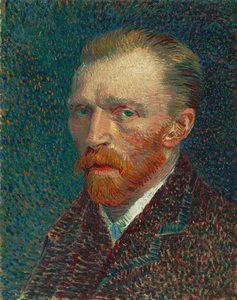
El viaje a través del tiempo culmina en la luz impresionante de la Fondation Corboud, donde el museo abraza el espíritu revolucionario del Impresionismo. Entrar en estas galerías es similar a deambular por un jardín bañado por el sol o pasear junto a la orilla de un río brumoso. La colección celebra la delicada gracia de artistas como Berthe Morisot, cuya obra Niña entre rosas entablilladas captura momentos fugaces de inocencia bañados por una luz moteada. Esta sección del museo es un triunfo sensorial, centrándose en las pinceladas fragmentadas y los matices atmosféricos que allanaron el camino para el arte moderno. Al exhibir obras de maestros como Monet, Manet, Renoir y Cézanne, el museo proporciona una conclusión radiante a su arco histórico.
Lo que verdaderamente distingue al Museo Wallraf-Richartz es este enfoque holístico de la experiencia artística. No se limita a aislar los movimientos en compartimentos separados, sino que los presenta como una evolución continua y viva del espíritu humano. Para el amante del arte, es un lugar de descubrimiento; para el coleccionista, una fuente de profunda inspiración; y para el diseñador de interiores, una clase magistral de color, textura y composición. Ya sea explorando la exposición actual "Museo de Museos" o contemplando una Madonna de hace siglos, cada visitante se marcha con una comprensión más profunda del alma artística de Europa: una celebración de la creatividad que permanece tan vital hoy como en el momento de la creación del museo.





