Lorenzo di Bicci (c. 1373–1452): Un Maestro Florentino de la Devoción
Lorenzo di Bicci, nacido alrededor de 1373 en Florencia, se erige como una figura fundamental dentro de la floreciente Escuela Florentina de pintura durante la segunda mitad del siglo XIV y principios del XV. Aunque los detalles biográficos siguen siendo escasos —con la identidad de su padre envuelta en la oscuridad—, el consenso académico establece firmemente el aprendizaje de Lorenzo bajo la tutela de Jacopo di Cione y Andrea di Cione, artistas cuyas innovaciones estilísticas moldearon profundamente su trayectoria artística. Este linaje lo consolidó dentro de un entorno vibrante, caracterizado por la experimentación con paletas cromáticas y una fluidez compositiva que reflejaba las tendencias más amplias de la época.- Primeros años y formación: Los años formativos de Lorenzo transcurrieron inmerso en el taller de su padre, Jacopo di Bicci, un artesano cuyas propias labores artísticas presagiaron el enfoque distintivo de Lorenzo. Su pertenencia al Gremio de San Lucas hacia 1370 le proporcionó un acceso invaluable al conocimiento artístico y fomentó conexiones dentro del floreciente paisaje cultural de Florencia.
- Inicios de su carrera y mecenazgo: Su encargo debut, un panel que representa a San Martín Entronizado para el gremio de la *Arte dei Vinattieri*, ejemplifica el compromiso de Lorenzo con el servicio a la ciudadanía florentina —particularmente al clero y a los gremios—, un patrón que definiría su carrera profesional. Las colaboraciones con Agnolo Gaddi y Corso di Jacopo perfeccionaron aún más sus habilidades y lo expusieron a corrientes artísticas influyentes.
- Estilo y técnica: El estilo de Lorenzo es instantáneamente reconocible por su elegancia contenida y su ejecución magistral. A diferencia de muchos contemporáneos que adoptaron grandes narrativas y una ornamentación elaborada, él favoreció composiciones caracterizadas por una simetría equilibrada y una evitación deliberada de la complejidad. Sus figuras poseían expresiones serenas —a menudo desprovistas de emoción— y eran representadas con una precisión anatómica excepcional, reflejando la influencia del meticuloso dibujo de Andrea di Cione.
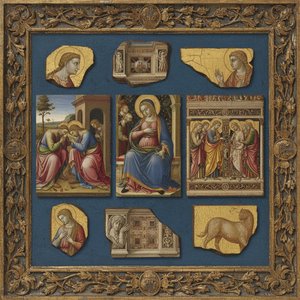
- Obras notables: El legado artístico de Lorenzo se consolida mediante varias pinturas icónicas que continúan cautivando al público actual. Los *Santos Juan Bautista y Minias*, albergados en el Museo Legion of Honor de San Francisco, muestran su capacidad para transmitir profundidad espiritual a través de sutiles armonías de color y detalles arquitectónicos. Del mismo modo, el fresco de los *Cuatro Evangelistas* —testimonio de la destreza técnica de Lorenzo— demuestra un dominio magistral de la perspectiva y las técnicas de sombreado.
- Legado e influencia: La producción artística de Lorenzo di Bicci impactó profundamente a las generaciones posteriores de pintores florentinos, notablemente a su hijo Neri di Bicci, quien continuó la tradición familiar del arte devocional. Su inquebrantable dedicación al retrato de temas religiosos —sumada a su compromiso con el servicio a la comunidad florentina— consolida su posición como piedra angular del desarrollo artístico del Renacimiento y como un símbolo perdurable de la piedad florentina.
Los Frescos de Palazzo Medici: Un Reflejo del Mecenazgo y la Innovación Artística
La empresa más ambiciosa de Lorenzo fue, sin duda, el ciclo de frescos que adornan el Palazzo Medici —encargado por Cosimo I de' Medici—, un proyecto que consolidó su reputación como un artista líder de su tiempo. Estas pinturas monumentales, que representan escenas de la historia bíblica y narrativas mitológicas, representan la cúspide del arte renacentista florentino, exhibiendo el dominio de Lorenzo sobre el color, la composición y la perspectiva. Los frescos sirvieron no solo como elementos decorativos, sino también como poderosas declaraciones del mecenazgo de los Médici, demostrando el papel transformador que las encomiendas aristocráticas desempeñaron en la configuración de las tendencias artísticas.Explorando las Conexiones Artísticas de Lorenzo: Influencias y Colaboraciones
El desarrollo artístico de Lorenzo estuvo inextricablemente ligado a sus interacciones con otros maestros y artesanos, fomentando un intercambio dinámico de ideas dentro del ecosistema artístico de Florencia. Su aprendizaje bajo Jacopo di Cione le inculcó un aprecio por las paletas de colores expresivas —una característica que impregnaría sus propias obras—, mientras que sus colaboraciones con Andrea di Cione perfeccionaron su habilidad en el dibujo y lo expusieron a estrategias compositivas innovadoras. Además, la vinculación de Lorenzo con el Gremio de San Lucas facilitó el acceso a recursos artísticos y fortaleció sus lazos dentro del vibrante entorno cultural florentino.Un Pintor Dedicado a la Fe: Temas y Simbolismo en la Obra de Lorenzo
La producción artística de Lorenzo di Bicci se centró consistentemente en temas religiosos —principalmente representaciones de santos, narrativas bíblicos y escenas litúrgicas—, reflejando la influencia omnipresente de la piedad en la sociedad florentina durante su vida. Sus pinturas empleaban una imaginería simbólica —basándose en las convenciones establecidas de la iconografía medieval— para transmitir verdades espirituales y evocar respuestas emocionales en los espectadores. Las expresiones serenas de sus figuras —a menudo carentes de emociones desbordantes— subrayaban una estética contemplativa que distinguía la obra de Lorenzo de otras propuestas artísticas más flamígeras presentes en otras partes de Europa.Reflexiones Finales: La Significación Perdurable de Lorenzo di Bicci
La contribución de Lorenzo di Bicci al arte florentino trasciende la mera innovación estilística; él encarna el espíritu humanista de su era, caracterizado por un profundo compromiso con los ideales clásicos y una voluntad de retratar la experiencia humana con dignidad y compasión. Su inquebrantable dedicación al servicio de la comunidad florentina —unida a su maestría en la técnica artística— consolida su posición como uno de los pintores más influyentes del siglo XIV, asegurando que su legado continúe inspirando tanto a artistas como a estudiosos.Preguntas y respuestas
¿Cuál es el lugar y el año de nacimiento de Bicci Di Lorenzo?
Bicci Di Lorenzo nació en Florencia en 1350.
¿Puedo explorar las obras de Bicci Di Lorenzo por palabra clave?
La página Por palabras clave de Bicci Di Lorenzo agrupa las obras del artista por sus palabras clave.
¿Dónde puedo encontrar estadísticas sobre las obras de Bicci Di Lorenzo?
Las estadísticas sobre las obras de Bicci Di Lorenzo están disponibles en la página de Estadísticas del artista.