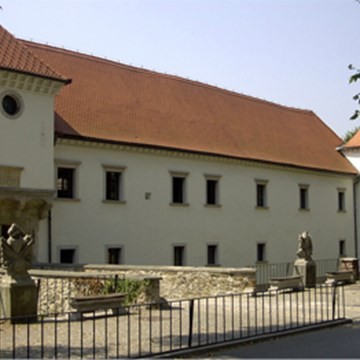
A Singular Vision: Exploring Mihály Zichy’s Legacy at the Zichy Museum
The Zichy Museum stands as a testament to Hungarian artistic heritage and, more specifically, to the extraordinary oeuvre of Count Mihály Zichy (1827-1906), an artist whose work transcends mere representation—it embodies the spirit of Romanticism itself. Located in the picturesque town of Zalaegrevár, Hungary, this museum isn’t merely a repository of paintings; it's a journey into the creative mind of a nobleman who dared to challenge conventions and capture the dramatic beauty of his era.
The Heart of Hungarian Romanticism: Zichy’s Masterpieces
At its core lies an unparalleled collection dedicated to Mihály Zichy’s artistic output, primarily focusing on Hungarian Romanticism. His canvases pulsate with emotion—a palpable yearning for sublime landscapes and a fascination with folklore and mythology—reflecting the intellectual currents of his time. The centerpiece is undoubtedly “Falling Stars,” a monumental painting that exemplifies Zichy's masterful technique in conveying narrative grandeur. Observe the meticulous detail, the rich color palette dominated by blues and golds, and the dramatic chiaroscuro – elements meticulously crafted to heighten emotional impact. This artwork alone speaks volumes about Zichy’s ability to transform visual experience into profound storytelling.
Beyond Romanticism: Contextualizing Zichy's Artistic Universe
However, limiting the museum’s narrative solely to Zichy would be a disservice to its broader significance. Alongside his celebrated works are other examples of 19th-century Hungarian art—pieces that illuminate the artistic landscape of the period as a whole. Examining these artworks alongside Zichy's oeuvre provides invaluable insight into the stylistic dialogues and influences shaping Hungarian visual culture during this transformative era. Consider, for instance, pieces exploring themes of national identity and social commentary – reflections of anxieties and aspirations shared across Hungarian society.
A Family Affair: The Zichy Legacy
The museum’s origins are inextricably linked to the illustrious Zichy family—an ancient Hungarian noble lineage dating back to the 13th century. Count Mihály Zichy wasn't simply an artist; he was a multifaceted figure who served as diplomat, politician, and benefactor of the arts. The museum serves as a poignant reminder of this familial heritage, enriching the visitor’s understanding beyond just appreciating Zichy’s artistic achievements—it unveils the social milieu that nurtured his creativity and shaped his worldview.
A Museum Unlike Any Other: Provocative Art & Intimate Exploration
What distinguishes the Zichy Museum from larger institutions is its unwavering focus on a single artist, fostering an immersive experience that allows for a deep dive into Zichy’s artistic process and emotional sensibility. Furthermore, the museum bravely confronts taboo subjects—Zichy's erotic illustrations—challenging conventional perceptions of art history and prompting contemplation about sexuality and desire within Victorian society. These daring depictions offer a crucial counterpoint to more idealized representations of beauty and virtue, demonstrating Zichy’s willingness to explore uncomfortable truths alongside breathtaking artistic skill.
Setting the Stage: Zalaegrevár & Architectural Harmony
The museum's location in Zalaegrevár contributes significantly to its overall atmosphere—a charming Hungarian town that embodies rural tradition while simultaneously providing a backdrop for appreciating Hungarian art and culture. While precise architectural details remain elusive, the building itself is designed to complement the artistic experience offered within its walls, creating a harmonious blend of space and contemplation. It’s worth noting that the museum shares similarities with other notable Hungarian institutions like The Museum of Fine Arts (Budapest), which similarly prioritizes concentrated artistic exploration and showcases impressive collections.