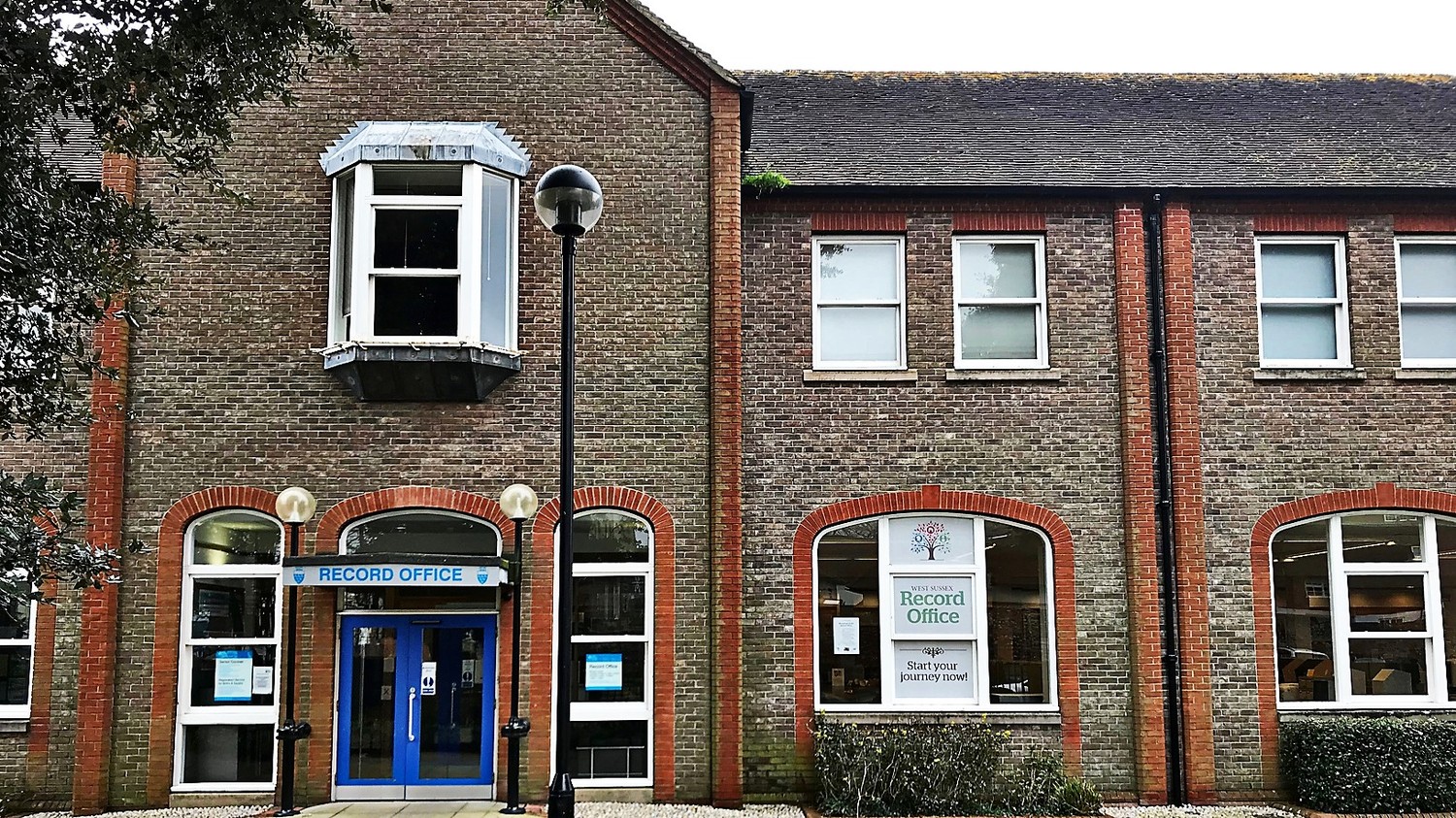


A Window Into West Sussex’s Past: Exploring the Treasures of the Record Office
The West Sussex Record Office stands as a testament to meticulous preservation and an unwavering dedication to illuminating the annals of British history. Located in Chichester, this unassuming building houses a remarkable archive spanning centuries – from the earliest charters dating back to 780 AD through to contemporary administrative documents reflecting the evolving landscape of modern West Sussex. More than just repositories of parchment and ink, these collections offer tangible connections to the lives, ambitions, and transformations that have shaped the region’s identity.- Local Government Records: A cornerstone of the archive is its comprehensive documentation of local governance. Examining documents from the 16th century onwards reveals intricate patterns of administration, legal disputes, and societal shifts—providing invaluable insight into how West Sussex functioned as a community throughout time.
- Diocesan Archives: Delving into the Diocesan Archives unveils a captivating narrative concerning religious life in Chichester. These documents chronicle ecclesiastical decrees, parish records, and artistic endeavors, offering perspectives on faith, culture, and social dynamics within the Diocese’s history.
- Family & Estate Papers: Genealogists and historians alike find themselves drawn to the Family & Estate Papers—a rich vein of information detailing lineages, land ownership disputes, and familial relationships. These papers illuminate the social fabric of West Sussex families across generations.
- Military & Hospital Collections: The Military & Hospital Collections offer poignant glimpses into pivotal moments in West Sussex’s history. Records pertaining to military deployments during wartime alongside hospital histories reveal crucial details about healthcare advancements and the experiences of ordinary citizens facing extraordinary circumstances.
What distinguishes the Record Office is its chronological breadth—a continuous timeline mirroring the county's evolution. Researchers can trace developments from medieval ecclesiastical disputes to the intricacies of Victorian estate management, uncovering narratives that transcend mere dates and names. The building itself embodies this legacy; constructed in 1897, it’s a beautifully preserved Edwardian structure designed to maximize natural light and ventilation—a deliberate choice reflecting the importance placed on accessibility and scholarly pursuit.
Notable Artistic Representations of Chichester
Recognizing the profound influence of visual culture on historical understanding, curators have thoughtfully selected artworks that capture the spirit of Chichester throughout time. Consider Henry Pether’s “A View Of Chichester Cross From East Street,” a serene depiction of Chichester Cathedral and its surroundings from 1897—a masterful example of Impressionistic technique reflecting the architectural grandeur of the era. Similarly, Richard Henry Nibbs' "St Mary’s, Chichester," showcases the cathedral’s interior in exquisite detail, demonstrating Nibbs’ meticulous observation skills and capturing the spiritual atmosphere of the church. Finally, Eric Trayler Cook’s “Chichester Close, West Sussex, 1950” presents a snapshot of daily life in Chichester during the mid-20th century—a vibrant portrayal of suburban existence rendered with skillful brushstrokes.