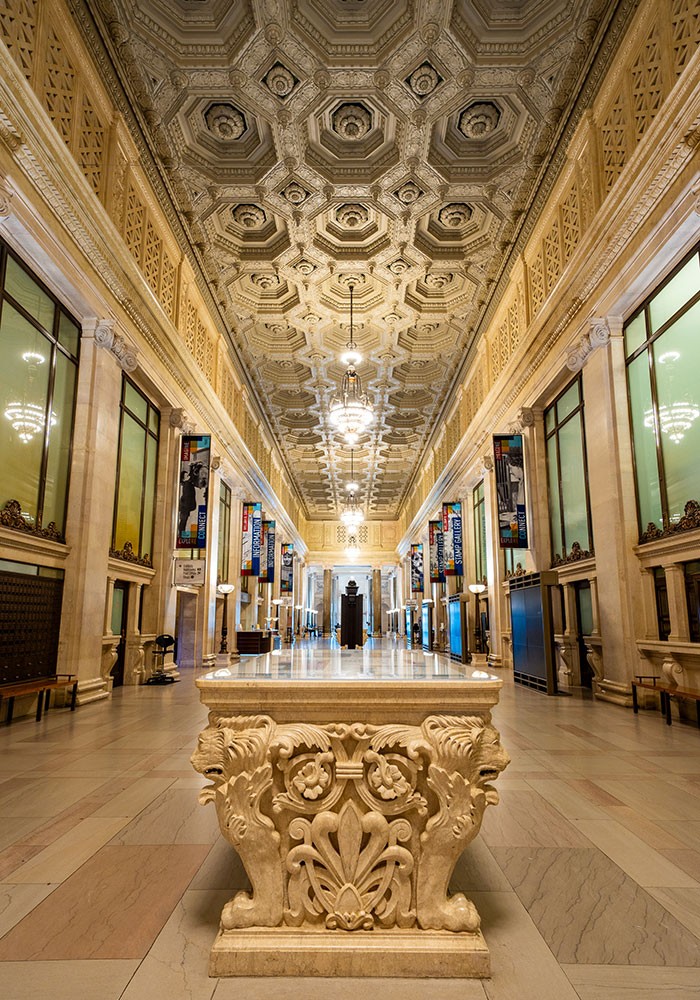
A Chronicle of Connection: The Soul of the National Postal Museum
Nestled within the historic grandeur of Washington, D.C. , the Smithsonian’s National Postal Museum resides in the magnificent Postal Square Building, a structure that serves as much more than a mere vessel for artifacts. Designed by the renowned architects Graham and Burnham in 1914, the building itself is a masterpiece of early twentieth-century civic architecture. As one steps through its imposing facade, the soaring ceilings and sweeping staircases evoke an era of permanence and purpose, reminding every visitor of a time when communication was a physical, tactile endeavor. The very bones of this institution—once the bustling heart of the city’s central post office—whisper stories of a world before the digital age, where the arrival of a letter was a momentous event, carrying the weight of news, longing, and human connection.
To wander through these halls is to embark on a journey that transcends the simple study of philately. While the museum houses one of the most comprehensive stamp collections in existence, treating these colorful, adhesive miniatures as mere objects would be to miss their profound artistic and historical depth. Each stamp serves as a tiny, meticulously designed window into a bygone era , capturing the aesthetic sensibilities, political shifts, and cultural triumphs of nations past. For the art lover, these pieces represent a unique intersection of graphic design and historical narrative, where every line and hue was chosen to convey identity and prestige.
Mechanical Marvels and Artistic Legacies
The collection breathes through its magnificent displays of transportation, showcasing the mechanical marvels that once bridged vast distances. Visitors find themselves captivated by an impressive array of vintage mail trucks, meticulously restored railway cars, and the pioneering aircraft that birthed the age of airmail. These machines are presented not merely as relics of industry, but as symbols of human ingenuity and the relentless pursuit of intimacy across continents. The exhibits detailing the evolution of rail and air transport illustrate a shrinking world, where innovation acted as the catalyst for national and international unity.
Beyond the mechanical, the museum offers a profound look at the artistry embedded in the very fabric of American visual culture through the legacy of the United States Postal Service. This includes:
- Early Engravings: The foundational era of 1847, featuring modest yet precise black engravings on white paper, such as the portraits of Benjamin Franklin and George Washington.
- Pictorial Evolution: The transformative shift in the 1860s and 70s toward stamps that graced envelopes with American landscapes, historical events, and vibrant symbols.
- Graphic Precision: The meticulous work of skilled engravers like Rawdon, Wright, Hatch & Edson, whose commitment to detail established a lasting standard for production.
The Human Element in the Archive
What truly distinguishes the National Postal Museum is its profound ability to humanize the grand sweep of history through intimate, personal narratives. The museum masterfully balances the monumental with the minute, such as the poignant acquisition of John Lennon’s childhood stamp collection . This single, delicate archive offers a rare glimpse into the formative passions of a global icon, reminding us that even the most legendary figures were once connected to the world through the simple magic of a delivered letter.
Through recurring exhibitions that explore themes of migration, communication, and postal art, the museum invites all who enter to contemplate how the tools of delivery have shaped our very concept of community. It is a sanctuary of memory, where every artifact serves as a testament to the enduring human desire to reach out, to share, and to remain connected across the vastness of time and space. For the collector or designer seeking inspiration in the intersection of utility and elegance, this institution offers a masterclass in how functional objects can become icons of cultural heritage.