

Santa Maria di Campagna: A Renaissance Gem in Piacenza
Nestled in the Emilia-Romagna region of Italy, Santa Maria di Campagna stands as a beacon of Renaissance artistry and devotion. More than just a church, it’s a meticulously crafted monument to faith and artistic innovation—a place where history whispers through its walls and breathtaking frescoes illuminate centuries past.
- A Miraculous Beginning: The basilica's story commences in 1488 with an extraordinary event – the miraculous recovery of a plague victim attributed to Saint Mary Magdalene. This divine intervention spurred the ambitious undertaking of constructing a sanctuary, which would eventually evolve into the magnificent edifice we admire today.
- Architectural Distinction: What immediately captivates visitors is Santa Maria di Campagna’s distinctive Greek cross plan. Unlike many churches of its era, this unconventional design reflects a deliberate pursuit of elegance and spiritual grandeur—a bold statement against prevailing architectural norms.
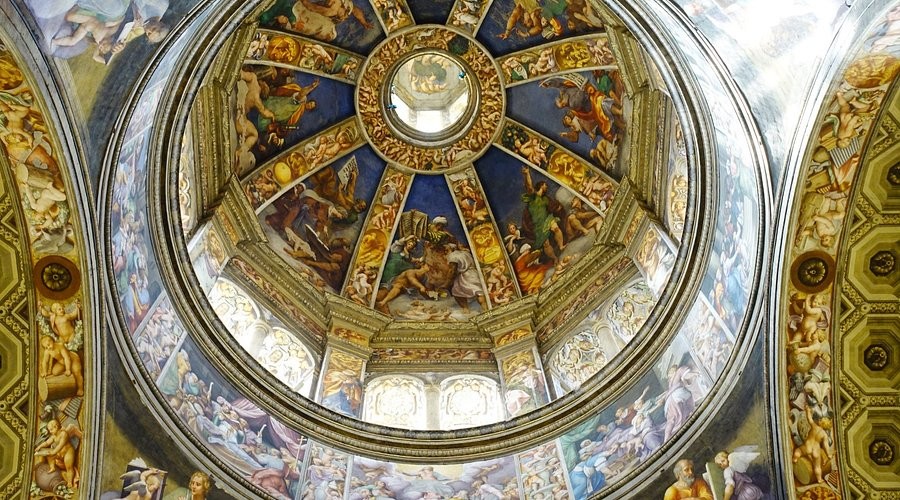
The exterior exudes the refined beauty characteristic of Renaissance style, while stepping inside reveals an immersive experience into artistic treasures. The walls are adorned with sculptures that embody humanist ideals, reflecting the intellectual fervor of the time.
Collection Highlights: Pordenone’s Vision
- Giovanni Antonio da Pordenone's Frescoes: Undoubtedly, Santa Maria di Campagna’s crowning achievement is its collection of frescoes by Giovanni Antonio da Pordenone. These canvases burst with vibrant color and expressive dynamism—a masterful demonstration of Venetian Renaissance painting technique.
Pordenone skillfully employed tempera on wood to depict scenes from the life of Saint Mary Magdalene, capturing both spiritual solemnity and artistic brilliance. His work exemplifies the humanist spirit of the period, prioritizing human emotion and narrative storytelling.
Beyond Pordenone: A Renaissance Ensemble
- Sculptural Elegance: Alongside Pordenone’s frescoes, Santa Maria di Campagna houses a collection of sculptures that further enrich its artistic heritage. These pieces showcase the meticulous craftsmanship and stylistic influences prevalent in Renaissance art.
Consider ‘The Founding of Santa Maria Maggiore,’ by Tommaso di Cristoforo Fini (1423), for example—a captivating depiction of Mary & Christ with angels, executed in tempera on wood. Its serene beauty speaks to the enduring power of religious art.
Historical Significance and Ongoing Worship
- A Living Tradition: Santa Maria di Campagna remains an active place of worship for the local community, preserving its historical narrative rooted in legend. Its continued devotion underscores the basilica’s significance as a repository of faith and artistic legacy.
Furthermore, explore ‘Saturnia, Chiesa di Santa Maria Maddalena,’ by Benvenuto di Giovanni—a Renaissance panel portraying Mary & Christ with angels—to appreciate early Renaissance style. Its tranquil atmosphere invites contemplation and reflection on the timeless themes of spirituality and devotion.
What Sets Santa Maria di Campagna Apart
- Unique Architectural Plan: The basilica’s Greek cross plan distinguishes it from countless other churches, symbolizing divine perfection and elevating its architectural grandeur.
- Preservation of Artistic Excellence: The exceptional quality and meticulous preservation of Pordenone’s frescoes solidify Santa Maria di Campagna's place among Italy’s most treasured artistic monuments.
A visit to Santa Maria di Campagna is an opportunity to immerse oneself in the splendor of Renaissance art, architecture, and Italian religious culture—a journey back in time that continues to inspire awe and reverence.