A Window into Russia’s Soul: Exploring the Russian Museum of Ethnography
The Russian Museum of Ethnography, nestled within the magnificent Mikhailovsky Palace in Saint Petersburg, isn't merely a repository of artifacts; it’s a journey back through centuries of Russian history and culture. Founded in 1895 by Sergey Prokudinov, a visionary philanthropist and photographer, its mission was ambitious: to document and celebrate the astonishing diversity of Russia’s peoples—a task that continues to resonate powerfully today. As one of the world's foremost ethnographic museums, it distinguishes itself through an unparalleled scope, delving beyond surface appearances to uncover the intricate tapestry of traditions, beliefs, and artistic expressions that have shaped Russian identity.- Collection Highlights: Over half a million objects—spanning Siberia’s nomadic tribes to the Caucasus’ vibrant mountain communities and Central Asia’s Silk Road heritage—offer visitors an astonishing glimpse into daily life across Russia’s vast expanse. The museum's curators have painstakingly assembled treasures ranging from exquisitely crafted textiles adorned with intricate patterns to monumental sculptures depicting mythological figures and scenes of rural life.
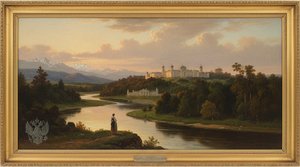
- Architectural Marvel: Mikhailovsky Palace, designed by Alexander Stroganov in the neoclassical style, serves as more than just a building; it’s an embodiment of imperial grandeur. Its soaring ceilings, opulent frescoes depicting historical events, and meticulously landscaped gardens contribute to an immersive experience that transports visitors back to the era of Tsarist Russia.
- A Legacy of Preservation: The museum's origins lie in Prokudinov’s fervent belief that preserving cultural heritage was paramount. Initially conceived as a private collection showcasing ethnographic specimens gathered during expeditions across Asia and Africa, it quickly evolved into a public institution dedicated to fostering understanding and appreciation for Russia’s multicultural past.
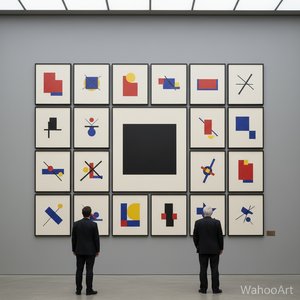
Recent exhibitions have shone a spotlight on groundbreaking research into Russian folklore and mythology, demonstrating how these narratives continue to influence contemporary art and culture. Furthermore, collaborations with leading scholars and artists—including prominent names in Surrealism and Constructivism—have cemented the museum’s position as a pivotal center for artistic dialogue.
- Notable Exhibitions: Don't miss “Russian Folk Art,” which examines the evolution of decorative arts from ancient times to the present day, showcasing masterpieces by artists like Vasili Kandinsky and Aleksandr Nikolayevich Rukomino.
- Symbolic Significance: The museum’s collection isn’t simply aesthetically pleasing; it speaks volumes about Russian spiritual beliefs and social customs. Recurring motifs—such as stylized animals representing benevolent spirits and geometric patterns symbolizing harmony—reflect the worldview of Russia's diverse ethnic groups.
What truly sets the Russian Museum apart is its ability to bridge the gap between history and artistic innovation. Visitors can contemplate artifacts alongside artworks created by artists who drew inspiration from traditional motifs, resulting in a dynamic interplay that illuminates the enduring influence of cultural heritage on creative expression. It’s an experience that lingers long after leaving Saint Petersburg—a testament to the power of art to communicate across time and borders.