

A Hidden Palace of Polish History and Art: The Ministry of Foreign Affairs Museum
Nestled within the bustling heart of Warsaw’s diplomatic district lies a treasure often overlooked by casual tourists – the Polish Ministry of Foreign Affairs museum. More than just a government building, this space is a carefully curated testament to Poland's enduring spirit, its complex relationship with the world, and a surprisingly rich artistic legacy. Stepping inside feels like entering a portal through centuries of Polish history, diplomacy, and cultural expression; it’s an intimate experience offering a profound connection to the nation’s past.
The building itself is a fascinating architectural narrative. While specific details about its initial design remain somewhat elusive – deliberately understated by those responsible for its preservation – it stands as a powerful symbol of Polish resilience. Constructed over several periods, reflecting shifts in architectural styles and political landscapes, the Ministry’s façade hints at grand European influences alongside elements that speak to Poland's unique identity. The building’s very existence within a functioning government complex is significant; it represents a deliberate commitment to safeguarding cultural heritage amidst the constant currents of political life – a quiet declaration of national pride.
The Splendor of Del Piombo and Polish Artistic Treasures
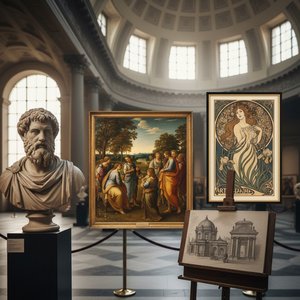
At the heart of the museum's collection lies a breathtaking series of frescoes by Sebastiano del Piombo, a renowned Italian Renaissance artist. These monumental works depict scenes from classical mythology, most notably the tragic tale of Tereus, Philomela, and Progne – a poignant narrative of betrayal, suffering, and ultimately, redemption. Del Piombo’s masterful technique, characterized by vibrant colors, dynamic compositions, and an almost palpable sense of drama, is truly captivating. The frescoes are not merely decorative; they represent a deliberate attempt to imbue the Ministry with a sense of historical gravitas and artistic prestige, reflecting Poland's engagement with European cultural traditions.
Beyond Del Piombo’s masterpieces, the museum boasts an impressive collection encompassing a diverse range of media. You’ll discover meticulously preserved paper documents detailing pivotal moments in Polish diplomacy – treaties, correspondence, and official records that illuminate the nation’s complex relationships with other countries. Engravings offer glimpses into historical events, while canvases showcase works by various Polish artists throughout the centuries. The collection also includes intriguing examples of metalwork, ink drawings, and wooden artifacts, providing a tangible connection to Poland's artistic heritage across different eras.
A Window into Diplomacy and National Identity
The Ministry’s exhibits extend far beyond purely artistic displays. A significant portion of the museum is dedicated to exploring Poland’s diplomatic history – tracing its evolving role on the international stage from the 18th century to the present day. Artifacts, photographs, and interactive displays bring to life key moments in Polish foreign policy, revealing the challenges and triumphs faced by successive governments. The exhibits delve into Poland's involvement in European alliances, its struggles for independence, and its contributions to international peace efforts.
Furthermore, the museum offers a fascinating glimpse into various facets of Polish culture. Historical costumes provide insight into traditional dress and social customs, while displays showcase significant national events – from royal coronations to moments of resistance against foreign occupation. These elements collectively paint a rich portrait of Poland’s multifaceted identity, demonstrating its enduring connection to both European traditions and its unique Slavic heritage.
A Unique Experience in the Heart of Warsaw
The Polish Ministry of Foreign Affairs museum offers a distinctly different cultural experience than many of Warsaw's more mainstream attractions. It’s a hidden gem, often overlooked by tourists rushing through the city’s historic center. This relative obscurity contributes to its intimate and authentic atmosphere – a space where visitors can truly immerse themselves in Poland’s history and artistic legacy without the crowds or distractions.
More than just a museum, it's a living testament to Poland’s resilience and commitment to preserving its cultural heritage. The combination of artistic masterpieces, diplomatic records, and cultural artifacts creates a uniquely compelling narrative – one that invites visitors to delve deeper into the heart of this captivating nation. A visit here is not simply sightseeing; it’s an opportunity for genuine connection with Polish history and art.