Plaza de Oriente: A Royal Vista in Madrid
The Plaza de Oriente is more than just a square; it’s a living testament to Madrid’s regal past and a beautifully crafted reflection of Parisian elegance. Located between the opulent Royal Palace and Teatro Real, this expansive space invites visitors on a journey through Spanish history and artistic achievement. Designed by French architect Charles Ribera in 1844, the plaza wasn't conceived as merely a functional connector but as an aspirational symbol of royal grandeur—a deliberate echo of the celebrated squares of Paris.
-
Historical Context:
The impetus for its creation stemmed from King Joseph I’s desire to establish a dignified public space for ceremonial occasions and celebrations, solidifying Madrid's position as the capital of Spain.
-
Architectural Design:
Ribera skillfully employed symmetrical layouts and monumental proportions—characteristic of Parisian squares—to create an atmosphere of formality and prestige. The plaza’s design prioritized visual harmony and grandeur, reflecting the values of the Bourbon monarchy.
Sculptural Gallery: A Lineage of Monarchs
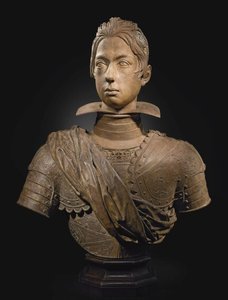
The Plaza de Oriente's most striking feature is undoubtedly its remarkable collection of sculptures depicting Spanish monarchs spanning centuries. These statues—a total of 44—are arranged along the perimeter of the square, presenting a chronological narrative of Spain’s royal lineage. Each sculpture serves as a tangible link to pivotal moments in Spanish history and embodies artistic excellence.
-
The Philip IV Statue:
Dominating the plaza is Pietro Tacca's colossal equestrian statue of King Philip IV—a masterpiece of Baroque sculpture. Its imposing presence commands attention, capturing the king’s regal bearing and symbolizing Spain’s enduring monarchy.
Gardens & Landscaping: Tranquility Amidst Majesty
Complementing the architectural grandeur is the Plaza de Oriente's meticulously maintained gardens. These verdant spaces offer a welcome respite from the city’s hustle and bustle, providing visitors with a serene environment for contemplation. The gardens adhere to classical principles of symmetry and balance, featuring fountains that cascade gracefully amidst lush floral displays—a deliberate contrast to the formality of the plaza itself.
-
Symbolic Layout:
The garden design reflects the ideals of Enlightenment aesthetics, emphasizing order and harmony alongside natural beauty.
Proximity to Cultural Institutions & Artistic Legacy
While Plaza de Oriente doesn’t house a museum in its own right, its strategic location grants easy access to the National Archaeological Museum—a treasure trove of Iberian artifacts from prehistoric times through early modernity. This proximity underscores Madrid's role as a cultural crossroads and invites visitors to explore the broader context of Spanish artistic heritage. Furthermore, the plaza has been the stage for numerous artistic events and exhibitions throughout history, cementing its place in Madrid’s artistic memory.
Notable Exhibitions:
The Plaza de Oriente frequently hosts outdoor art installations and performances, showcasing contemporary artists alongside historical masterpieces—a testament to Madrid's commitment to fostering creativity and cultural engagement.
What Makes Plaza de Oriente Unique?
Ultimately, Plaza de Oriente distinguishes itself through its unparalleled ability to encapsulate the spirit of Madrid’s royal past while simultaneously embracing modern artistic expression. It’s a space where history breathes alongside beauty, inviting visitors to contemplate Spain's illustrious heritage and appreciate the enduring power of architectural design—a true jewel in Madrid’s cultural crown.