Menu
FREE ART CONSULTATION

Pinacoteca Comunale

Quick Facts

  • Location: Spoleto, Italy
  • Alternate names:
    • Pinacoteca Comunale
    • Municipal Art Gallery
    • Spoleto Municipal Art Gallery
  • Works on APS: 1
  • Featured artists: Paolo Antonio Barbieri

Art Quiz

There is only one correct answer for each question.

Question 1:
What is the Pinacoteca Comunale primarily known for showcasing?
Question 2:
Who is considered a prominent Umbrian painter whose works form a significant portion of the Pinacoteca Comunale's collection?
Question 3:
What historical influence is highlighted within the museum's exhibits?
Question 4:
What distinguishes the Pinacoteca Comunale from larger national museums?
Question 5:
The Palazzo Rosari Spada, where the Pinacoteca Comunale is located, contributes to the museum's experience by:

A Journey Through Umbrian Artistic Heritage at Pinacoteca Comunale Spoleto

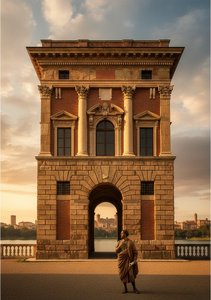
Pinacoteca Comunale Spoleto stands as a beacon of Umbrian art history, nestled within the Palazzo Rosari Spada – a building that itself narrates tales of centuries past. More than just a repository of paintings, it’s an immersive experience offering visitors a profound connection to the region's cultural soul and artistic evolution. Unlike grand national institutions, this municipal gallery prioritizes intimacy and focused exploration, allowing for a deeper appreciation of Spoleto’s distinctive artistic identity.

Umbrian Painting: Echoes of Tradition

The museum’s core strength lies in its exceptional collection of Umbrian paintings, representing an astonishing span from the Renaissance to Baroque periods. These artworks embody the stylistic nuances developed in Umbria—characterized by luminous colors, meticulous detail, and a spiritual fervor deeply rooted in Franciscan piety. Visitors can marvel at masterpieces crafted by artists who skillfully captured the essence of their time, reflecting both religious devotion and humanist ideals. Notably prominent is the oeuvre of Aloisio di Marco, commonly known as Alò, whose canvases dominate significant portions of the gallery. His works exemplify the Mannerist style—a transitional phase between Renaissance and Baroque—marked by elongated figures, dramatic poses, and a deliberate distortion of perspective – techniques that foreshadowed the revolutionary innovations of Caravaggio.

The Legacy of Pope Gregory IX: Contextualizing Artistic Expression

Beyond the visual splendor of the paintings themselves, Pinacoteca Comunale illuminates the broader historical context surrounding its treasures. The palazzo’s association with Basilica Sant'Eufemia underscores Spoleto’s role as a center of ecclesiastical power during the reign of Pope Gregory IX—a figure whose patronage profoundly shaped artistic production throughout Italy. Examining these artworks alongside biographical information about Gregory IX reveals how papal influence fostered creativity and propelled artistic movements forward, cementing Umbria’s place in European art history.

Palazzo Rosari Spada: Architecture Reflecting Time

The Palazzo Rosari Spada itself serves as a captivating backdrop to the museum's collection. Constructed over several eras—starting with Romanesque foundations and expanding through Gothic additions—the palazzo embodies Spoleto’s architectural heritage, showcasing transformations influenced by papal commissions and urban development initiatives. Its soaring ceilings and ornate decorations invite contemplation alongside the artworks housed within, creating an atmosphere that enhances the visitor’s understanding of both art and history.

A Singular Perspective: Integrated History & Local Identity

What distinguishes Pinacoteca Comunale from comparable museums is its commitment to presenting art history in conjunction with local narratives. Researchers have explored connections between Umbrian artists and papal courts, demonstrating how artistic patronage fostered innovation and shaped cultural trends. Furthermore, the museum’s curators actively engage with Spoleto's traditions—celebrating festivals and showcasing regional crafts alongside exhibitions of celebrated artworks—creating a holistic experience that transcends mere aesthetic appreciation.

Exploring Related Artistic Voices

To enrich your understanding of Umbrian art’s broader influence, consider delving into the works of artists like Orlando Flacco (1530-1592), whose portraits and religious scenes exemplify Mannerist aesthetics. Similarly, Adriano de Maestri Florentino's sculptures and medals offer insights into Renaissance artistic craftsmanship—particularly his celebrated depiction of Elisabetta Gonzaga’s portrait. And don’t miss Anselmo Ballester’s pioneering film posters, showcasing the vibrant colors and stylistic innovations of Art Nouveau and Futurism.