Table of Contents
Quick Facts
- Featured artists:
- Antoine Étex
- Antoine Augustin Préault
- François Dominique Aimé Milhomme
- David d'Angers
- Works on APS: 6
- Art types:
- sculpture
- wallart
- Mediums:
- acrylic
- stone
- More…
- Location: Paris, France
- Alternate names:
- Cimetière du Père-Lachaise
- Père Lachaise Cemetery
- Père Lachaise
- Parisian necropolis
- Movements:
- neoclassical romanticism
- neoclassicism
Exhibited Artists

Antoine Étex
Antoine Étex (1808-1888): French sculptor & painter renowned for his monumental Arc de Triomphe sculptures and poignant Géricault tomb. Explore Neoclassical & Romantic art.


Antoine Augustin Préault
Antoine-Augustin Préault (1809-1879) was a pivotal French Romantic sculptor known for emotionally charged works like 'The Killing' & 'Ophelia'. Explore his literary-inspired sculptures, funerary art, and passionate style—a forgotten master rediscover
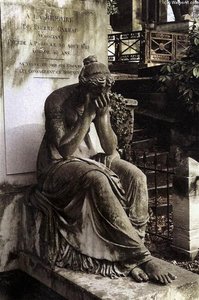
François Dominique Aimé Milhomme
Discover the dark & iconic music of François Dominque Aimé Milhomme, a pioneering British artist known for his haunting portraits & gothic themes. Explore his legacy!

Art Quiz
There is only one correct answer for each question.
Question 1:
What is Père Lachaise Cemetery primarily known for?
Question 2:
When was Père Lachaise Cemetery established?
Question 3:
What distinguishes Père Lachaise from traditional cemeteries?
Question 4:
Who is considered one of Père Lachaise's most famous residents?
Question 5:
What architectural style characterizes the earliest sections of Père Lachaise Cemetery?
Related Articles

Bronze Sculptures That Defined Art History | OriginalUniqueArt
Journey through art history with our Top 10 bronze sculptures! Explore masterpieces by Rodin, Michelangelo & more. Discover stories behind iconic statues and find museum-quality reproductions for your home decor at OriginalUniqueArt.com.

The Enduring Form: Exploring Themes & Techniques in Sculpture Across Historical Periods
Explore the rich history of sculpture from ancient masterpieces to contemporary innovations. Discover key techniques, influential artists & investment potential for discerning art collectors.

The Enduring Form: Sculpture Across History, Technique & Emotional Resonance
Explore the rich history of sculpture with OriginalUniqueArt. Discover key techniques, influential artists & investment potential for discerning collectors. Expert insights into valuing and collecting timeless masterpieces.
