Menu
FREE ART CONSULTATION

National Museum of Modern Art

Quick Facts

  • Featured artists: henri julien félix rousseau (le douanier)
  • Works on APS: 1
  • Alternate names:
    • MOMAT
    • Tokyo Kokuritsu Kindai Bijutsukan
  • Movements: symbolism
  • More…
  • Location: Tokyo, Japan
  • Mediums: oil on canvas
  • Art types: wallart

Art Quiz

There is only one correct answer for each question.

Question 1:
What is the primary focus of the National Museum of Modern Art, Tokyo?
Question 2:
Kunio Maekawa designed MOMAT's original building with what key architectural feature?
Question 3:
The Matsukata Collection at MOMAT consists of what type of artwork?
Question 4:
Which artist exemplifies the blending of Western influences into established Japanese artistic conventions?
Question 5:
What distinguishes MOMAT from other museums globally?

A Sanctuary of Modernity: Delving into the National Museum of Modern Art, Tokyo

The National Museum of Modern Art, Tokyo (MOMAT) isn’t merely a repository of canvases and sculptures; it is a vibrant chronicle of Japan's artistic soul—a place where centuries-old traditions gracefully intertwine with the bold innovations of the modern era. Established in 1952, MOMAT emerged from a powerful desire to champion domestic creativity alongside international influences, forging a distinct aesthetic path for a nation eager to define its identity after periods of profound change. This foundational commitment—prioritizing Japanese artistic development—sets it apart as a unique beacon within the global art landscape. Walking through its halls is akin to embarking on a journey through time, witnessing the evolution of thought and expression that has shaped Japan’s visual culture.

The Architecture: A Harmonious Dialogue Between Form and Function

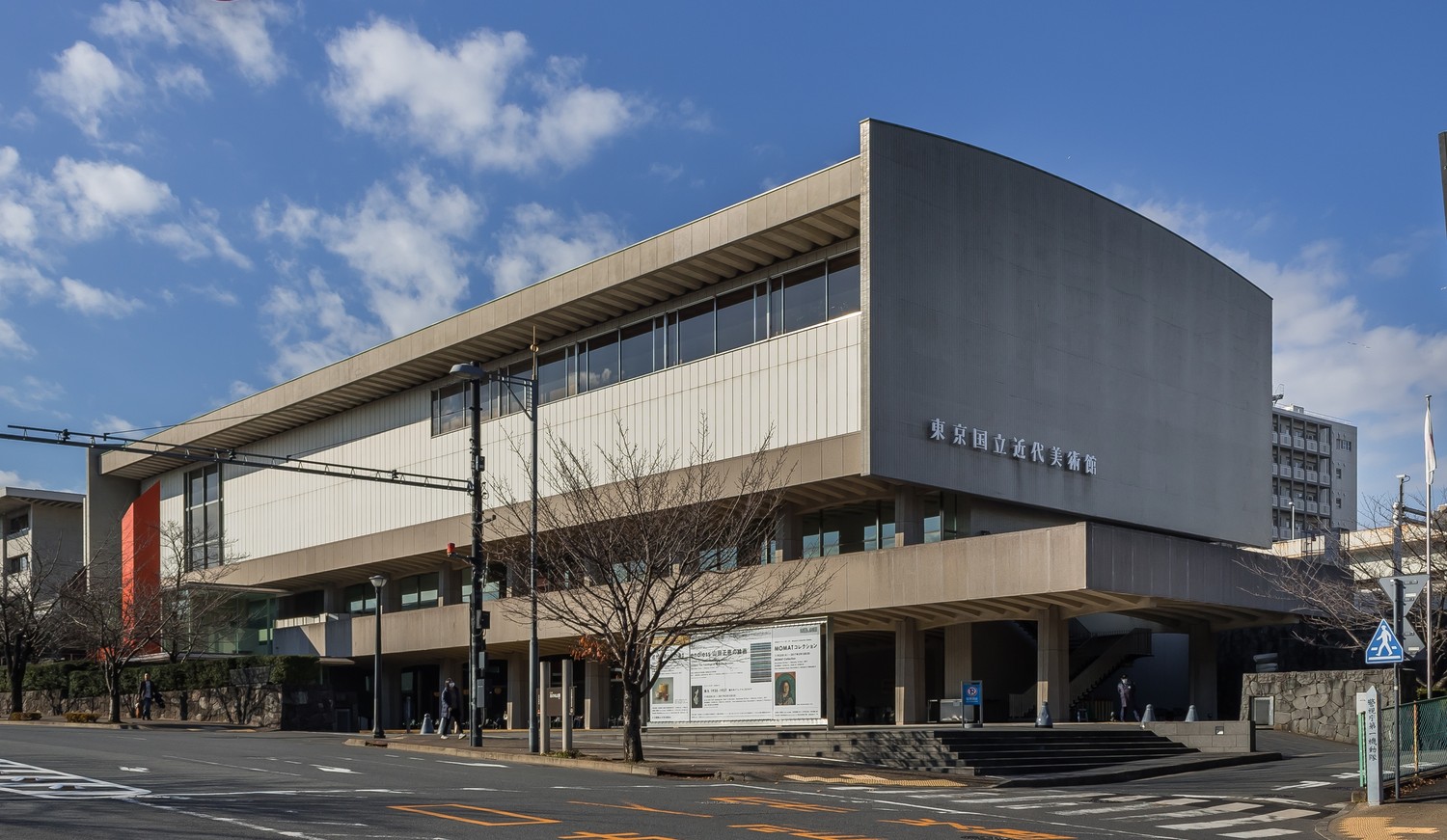
The museum building itself speaks volumes about this dedication to modernity. Originally conceived by Kunio Maekawa—a pivotal figure in Japanese modernist architecture—MOMAT's structure embodies clean lines, an unwavering focus on natural light, and a profound respect for spatial openness. Maekawa’s design wasn’t simply about aesthetics; it was about creating an inviting environment conducive to contemplation, where art could breathe and visitors could connect with the works on a deeper level. Subsequent renovations by Yoshirō Taniguchi meticulously preserved this core aesthetic while enhancing usability—a testament to the enduring power of thoughtful architectural vision. The result is a space that feels both timeless and contemporary, fostering an atmosphere of intellectual curiosity and emotional resonance. Sunlight streams through expansive windows, illuminating the artwork and creating a dynamic interplay between interior and exterior spaces.

A Rich Tapestry of Artistic Expression

MOMAT’s collection is remarkably diverse, yet unified by its unwavering commitment to charting the evolution of Japanese artistic thought. Perhaps most celebrated is its unparalleled holding of *ukiyo-e* woodblock prints—particularly the Matsukata Collection. Rescued from potential dispersal abroad in the early 20th century, this collection represents a cornerstone of Japan’s cultural heritage—a vibrant chronicle of everyday life, landscapes, and theatrical scenes rendered with exquisite detail and artistry. Each print captures a fleeting moment in time, imbued with symbolic meaning and reflecting the sensibilities of its era. Beyond these iconic prints, MOMAT champions *Nihonga*, traditional Japanese-style painting that masterfully blends modern techniques with classical aesthetics. Artists like Yokoyama Taikan exemplify this approach, seamlessly integrating Western influences into established Japanese artistic conventions—a dialogue between East and West that underscores Japan’s ability to adapt and innovate while retaining its cultural identity. The museum doesn't limit its scope to solely Japanese forms; a thoughtfully curated selection of Western paintings and sculptures provides a compelling comparative perspective on the global art movements that shaped the 20th century, fostering understanding and appreciation for diverse artistic traditions.

Contemporary Voices and Enduring Legacy

MOMAT is not a static archive but a living institution actively engaged with contemporary artistic dialogues. The museum consistently presents thought-provoking exhibitions that explore both historical themes and cutting-edge innovations—a commitment to stimulating intellectual discourse and inspiring new perspectives on art history. Recent shows have delved into the mesmerizing works of Hilma af Klint, bridging international modernism with Japanese sensibilities—demonstrating how artists from different cultures can inspire each other across time and space. Ongoing displays highlight new acquisitions and emerging artists—introducing visitors to fresh voices and artistic visions that contribute to the ongoing evolution of art. The presence of internationally celebrated figures like Kusama Yayoi within MOMAT’s collection underscores its dedication to showcasing artists who transcend national boundaries—a celebration of creativity and imagination on a global scale. Furthermore, MOMAT actively fosters research, education, and public engagement through lectures, workshops, and digital initiatives—making art accessible to audiences of all ages and backgrounds.

What Sets MOMAT Apart?

In a world often dominated by Western artistic narratives, MOMAT occupies a unique position—it champions the development of modern art *within* a distinctly Japanese context. This singular focus distinguishes it from many other museums worldwide, allowing for a nuanced exploration of Japan’s artistic contributions to the 20th century and beyond. The Matsukata Collection remains an unparalleled draw for scholars and enthusiasts alike, offering invaluable insights into the history of *ukiyo-e* and its enduring influence—a testament to the importance of preserving cultural heritage and sharing knowledge with future generations. Ultimately, MOMAT is more than just a collection of objects; it's a cultural institution dedicated to preserving, researching, and promoting the vibrant legacy of modern and contemporary Japanese art—a place where visitors can embark on a journey of artistic appreciation and intellectual enrichment. It’s a space that invites not only observation but also deep reflection on the power of art to shape our understanding of ourselves and the world around us.