

A Milanese Palazzo of Dreams: The Soul of Museo Poldi Pezzoli
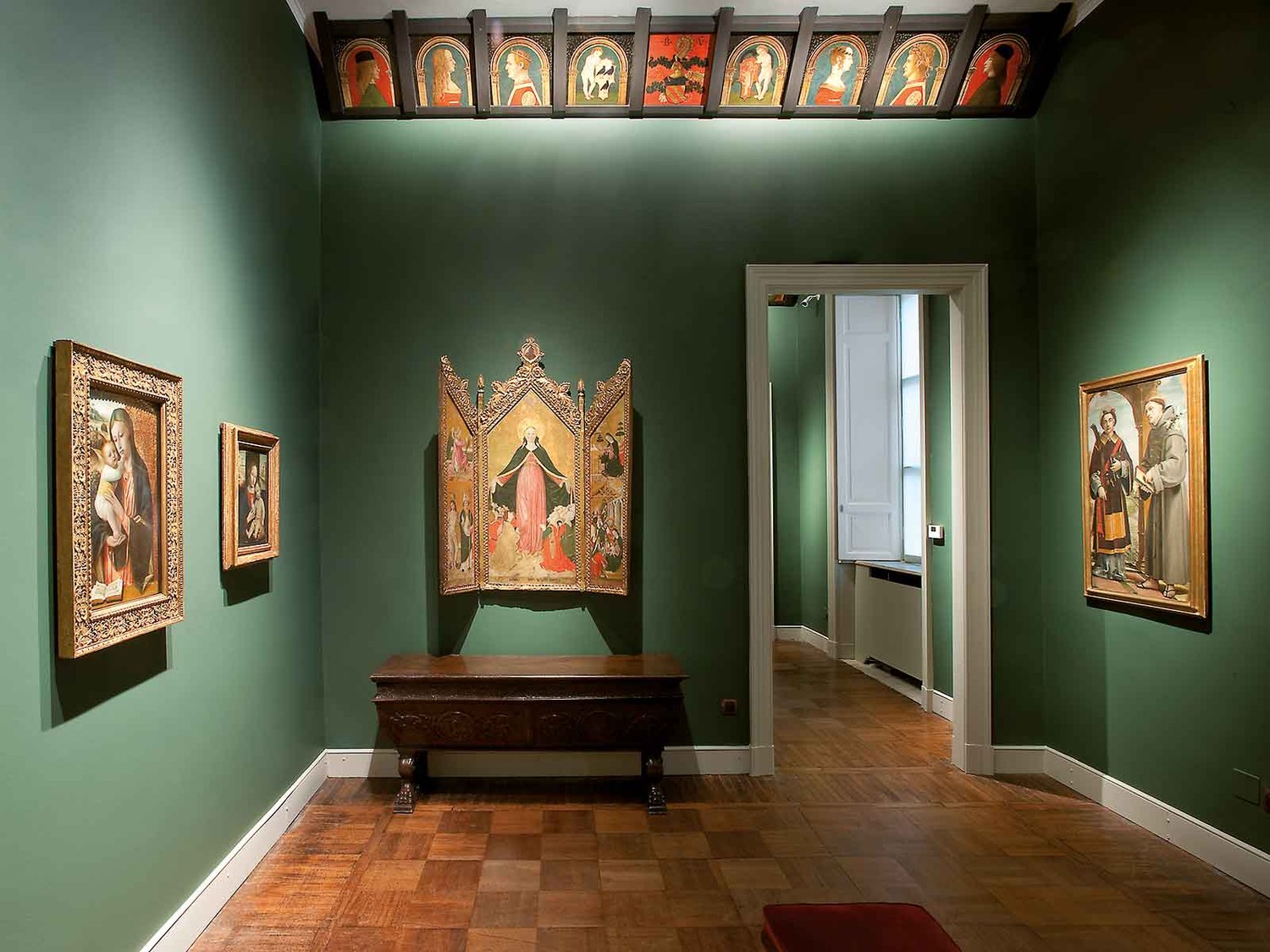
To step across the threshold of the Museo Poldi Pezzoli is to abandon the modern bustle of Milan and enter a meticulously crafted dreamscape, a sanctuary where the boundaries between a private residence and a public gallery dissolve. Nestled within an elegant palazzo on Via Manzoni, this house museum serves as a profound testament to the singular passion of its founder, Gian Giacomo Poldi Pezzoli. Unlike the cavernous, impersonal halls of many grand institutions, the Poldi Pezzoli offers an intimate encounter with the aesthetic sensibilities of the nineteenth-century aristocracy. Every room feels like a carefully orchestrated tableau, where the whispers of and history emanate from gilded furniture, silken tapestries, and the soft glow of period lighting, inviting visitors to lose themselves in a beautifully preserved era of refinement and splendor.
The museum’s narrative is one of profound emotional depth and technical mastery. One cannot wander these halls without being moved by Botticelli’s Lamentation over the Dead Christ with Saints , a work of such delicate tempera on wood that it captures the very essence of grief and spiritual devotion. This Florentine masterpiece finds its counterpart in the exquisite Ritratto di Giovancella by Antonio Pollaiolo, housed within the celebrated Golden Room. Here, the masterful use of chiaroscuro and vibrant color embodies the elegance of Milanese high society, creating a dialogue between the solemnity of religious devotion and the sophisticated grace of the Belle Époque.
A Treasury of Craftsmanship and Renaissance Splendor
Beyond the canvas, the museum reveals itself to be a treasure trove for those captivated by the artistry of craftsmanship. The legendary Armoury stands as a monumental highlight, where the metallic sheen of medieval swords, Renaissance cuirastes, and intricate pistols tells a gripping story of human ingenuity and military history. This fascination with the tactile and the decorative extends into every corner of the palazzo; visitors encounter an astonishing array of ceramics, from delicate porcelain to earthy faience, alongside furniture upholstered in sumptuous fabrics and lace woven with microscopic precision.
For the art lover or the interior designer, these rooms offer an unparalleled masterclass in how art, ornament, and architecture can coalesce to create a unified, immersive environment. The collection breathes through a cosmopolitan lens that embraces the finest achievements of Northern Europe alongside the rhythmic heart of the Italian Renaissance. Notable elements of this decorative splendor include:
- The Golden Room: A space where vibrant colors and masterful light embody aristocratic elegance.
- The Armoury: A profound collection showcasing the evolution of military artistry and metalwork.
- Decorative Arts: An exquisite selection of ceramics, fine porcelain, and intricately woven textiles.
The legacy of the Poldi Pezzoli is also one of remarkable resilience. Though the palazzo endured significant damage during the devastation of World War II, the spirit of its collection remained unbroken, preserved through the foresight of those who moved the treasures to safety. The subsequent reconstruction and meticulous restoration efforts have breathed new life into the museum, allowing contemporary viewers to witness the brilliance of Pollaiuolo's colors with a clarity that honors Poldi Pezzoli’s original vision. Today, the museum stands not merely as a repository of historical artifacts, but as a living, breathing monument to the idea that art should inspire both the intellect and the soul.