A Journey Through Time: The Accademia Etruscan Museum in Cortona
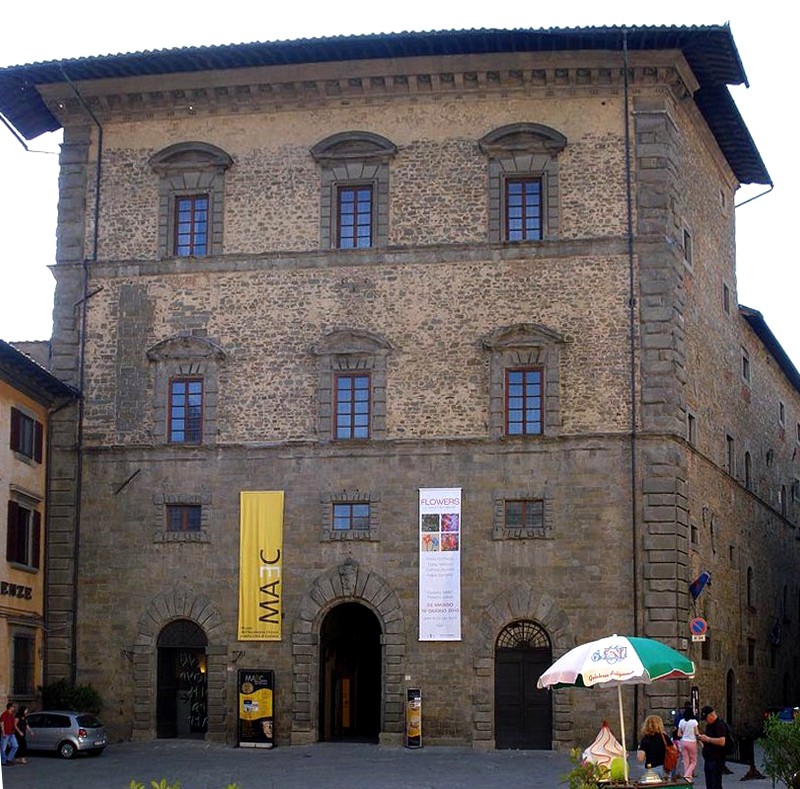
Nestled within the ancient walls of Palazzo Casali, the Museo dell’Accademia Etrusca (MAEC) in Cortona offers a remarkably singular experience—a seamless blend of archaeological discovery, Renaissance artistry, and the echoes of medieval power. More than just a museum, it's a portal to understanding not only the rich history of this Tuscan hilltop town but also the captivating civilization of the Etruscans themselves. Established as an academy in 1726, its origins are deeply intertwined with a scholarly pursuit of knowledge about these enigmatic people who once dominated central Italy, and the museum’s evolution reflects centuries of collecting and research.
The Palazzo Casali itself is a crucial element of the MAEC's allure. Originally the residence of the influential Casali family, later serving as the seat of government for Cortona under Tuscan rule, its architecture speaks volumes about its layered past. The building’s exterior boasts heraldic shields—a testament to the various leaders who once held sway over this strategic location. The museum's reorganization in 2005 cleverly integrated the Civic Art Museum, creating a dynamic space that juxtaposes Etruscan artifacts with masterpieces by Luca Signorelli and other Renaissance artists. But the true magic lies beneath the surface; the museum’s lower floors reveal an unexpected dimension—a network of prisons that once housed those accused within Cortona's walls, adding a poignant layer to the narrative of this ancient city.
Etruscan Echoes: Jewels and Rituals from a Lost Civilization
The heart of MAEC’s collection undoubtedly lies in its comprehensive exploration of Etruscan civilization. Here, visitors encounter a breathtaking array of objects that illuminate the daily lives, beliefs, and artistic achievements of this sophisticated culture. Stunning bronze jewelry—intricately crafted necklaces, bracelets, and rings—shimmers with an otherworldly beauty, reflecting the Etruscans’ mastery of metalworking. Statuettes, often depicting deities or ancestors, offer glimpses into their religious practices. The sarcophagi, adorned with elaborate carvings, reveal a profound respect for death and the afterlife. Perhaps the most celebrated artifact is the *Tabula Cortonensis*, a remarkably preserved bronze tablet dating back to the 2nd-3rd century BC. This legal document, inscribed with Etruscan script, provides invaluable insight into their legal system and social structure—a truly remarkable find that continues to be studied by scholars today.
Renaissance Splendor: Signorelli’s Masterpieces
Beyond the Etruscans, MAEC boasts a significant collection of Renaissance art, anchored by the works of Luca Signorelli. The museum is justly renowned for its display of *Tondo depicting Madonna and child with Saints Michael, Vincent, Margaret and Mark*, a serene and deeply moving depiction of the Virgin Mary and her infant son surrounded by revered saints. Another highlight is a magnificent triptych portraying the Madonna and Child, showcasing Signorelli’s masterful use of color and his ability to convey profound emotion. These works stand as testaments to the artistic flourishing that occurred in Cortona during the Renaissance period.
Beyond the Bronze: Egyptian Antiquities and Rococo Elegance
While Etruscan artifacts understandably dominate the museum's attention, MAEC also presents a fascinating collection of Egyptian antiquities, courtesy of the Corbelli family. These objects—ranging from funerary masks to pottery vessels—offer a window into the beliefs and practices of ancient Egypt. Adding an unexpected touch of opulence is the *Tempietto Ginori*, an elaborate porcelain structure that exemplifies the Rococo style. This intricate piece allegorically represents the transition of power in Tuscany from the Medici to the Lorraine families, showcasing the skill and artistry of Italian porcelain makers.
A Unique Legacy: From Academy to Museum
What truly distinguishes MAEC is its unique origin as a scholarly academy dedicated to Etruscan studies. This historical context imbues the museum with a palpable sense of intellectual curiosity and a deep respect for the past. The location within Palazzo Casali, a building that has witnessed centuries of history, further enhances this atmosphere. The combination of diverse collections—Etruscan artifacts, Egyptian antiquities, Renaissance art, and even glimpses into Cortona’s darker past—creates an unusually compelling cultural experience. MAEC is not merely a repository of objects; it's a living testament to the enduring legacy of Cortona and its pivotal role in shaping our understanding of Italy’s rich and complex history.