Nestled in the historic Grand Priory of Malta, Musée Réattu stands as a testament to Arles’s artistic legacy and a singular celebration of Impressionism. Founded by Jacques Réattu himself—a painter who captured the vibrant spirit of Provence—the museum isn't merely a repository of artworks; it’s an immersive experience transporting visitors back to the Belle Époque and beyond. Its walls whisper tales of monastic devotion, artistic experimentation, and the enduring influence of visionary artists like Vincent van Gogh.
Jacques Réattu: The Heartbeat of Provence
Pablo Picasso: A Dialogue Across Generations
Photography’s Pioneering Vision
Beyond Impressionism: Exploring Contemporary Art
The Priory's Architectural Soul
Jacques Réattu: The Heartbeat of Provence
Jacques Réattu, born in Arles in 1760, remains the museum’s cornerstone. Over eight hundred paintings and drawings—primarily landscapes infused with Impressionistic brushstrokes—document his lifelong fascination with the region's light and color. These works aren’t simply depictions of Provence; they embody a profound connection to its soil, its flora, and its atmosphere. Réattu’s artistic evolution is charted meticulously within the museum’s galleries, revealing an artist who wrestled with formal innovation while retaining a deep respect for tradition. His uncle Antoine Raspal's workshop scene—a poignant glimpse into Réattu’s familial life—offers a particularly intimate portrait of his creative spirit.
Pablo Picasso: A Dialogue Across Generations
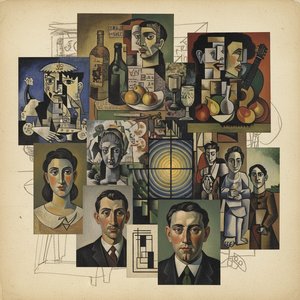
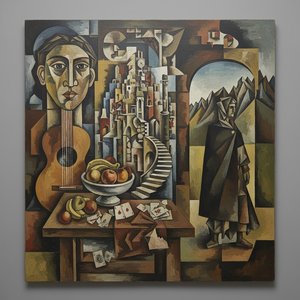
Musée Réattu holds an extraordinary collection of fifty-seven drawings donated by Pablo Picasso himself, representing a pivotal period in the artist's formative years. These sketches showcase Picasso’s early explorations of form and perspective—a precursor to his revolutionary Cubist style. Examining these drawings alongside Réattu’s landscapes illuminates the contrasting approaches to artistic expression across time, prompting contemplation on how influences shape creative vision. The museum’s curators have skillfully contextualized Picasso's work within the broader artistic landscape of the late 19th century.
Photography’s Pioneering Vision
Recognizing the burgeoning importance of photography as an art form decades before its widespread acceptance, Musée Réattu established a dedicated department—a remarkable feat for its era. Over four thousand photographic images—spanning from Richard Avedon's iconic portraits to Man Ray’s surrealist experiments—demonstrate the museum’s commitment to pushing artistic boundaries. These photographs aren’t merely reproductions of reality; they are interpretations imbued with aesthetic sensibility, reflecting the anxieties and aspirations of a changing world. The exhibition history of Musée Réattu underscores its role as a catalyst for artistic dialogue.
Beyond Impressionism: Exploring Contemporary Art
While firmly rooted in Impressionist aesthetics, Musée Réattu actively engages with contemporary artistic trends. Sculptures by César, Richier, Bourdelle and Zadkine—artists who challenged conventional sculptural forms—are juxtaposed alongside paintings from the modern era, inviting visitors to consider how art evolves across generations. Recent exhibitions have showcased innovative installations and performances, demonstrating the museum’s willingness to embrace new mediums and perspectives.
The Priory's Architectural Soul
The museum’s location within the Grand Priory of Malta—a building dating back to the fifteenth century—contributes significantly to its unique atmosphere. Originally conceived as a monastic seat, it underwent numerous transformations throughout history—serving as a tobacco warehouse and drawing school before Réattu acquired it in the late nineteenth century. Officially inaugurated in 1868, the priory’s renovation in 1956-1964, overseen by Jean-Michel Wilmotte, and subsequent redesigns further enhanced its grandeur. Listed as a monument historique since 1958, its soaring arches and stained glass windows provide an inspiring backdrop for the artworks housed within—a tangible reminder of Arles’s rich cultural heritage. Notably, Van Gogh himself famously described it as “dreadful and a joke,” offering a delightfully incongruous anecdote that underscores the museum's enduring fascination.
Explore 10 Cubist masterpieces by Picasso, Braque & more! Delve into the history of this revolutionary art movement. Find museum-quality reproductions and elevate your home decor with OriginalUniqueArt. Discover all masterpieces on OriginalUniqueArt.com
Explore 10 Cubist masterpieces by Picasso, Braque & more! Discover the stories behind these revolutionary paintings and their impact on modern art. Find museum-quality reproductions for your home at OriginalUniqueArt.com – where art comes to life.
Explore 10 revolutionary Cubist portraits by Picasso, Braque & more! Discover the stories behind these iconic paintings and how they shaped modern art. Find museum-quality reproductions to elevate your home decor on OriginalUniqueArt.com.