


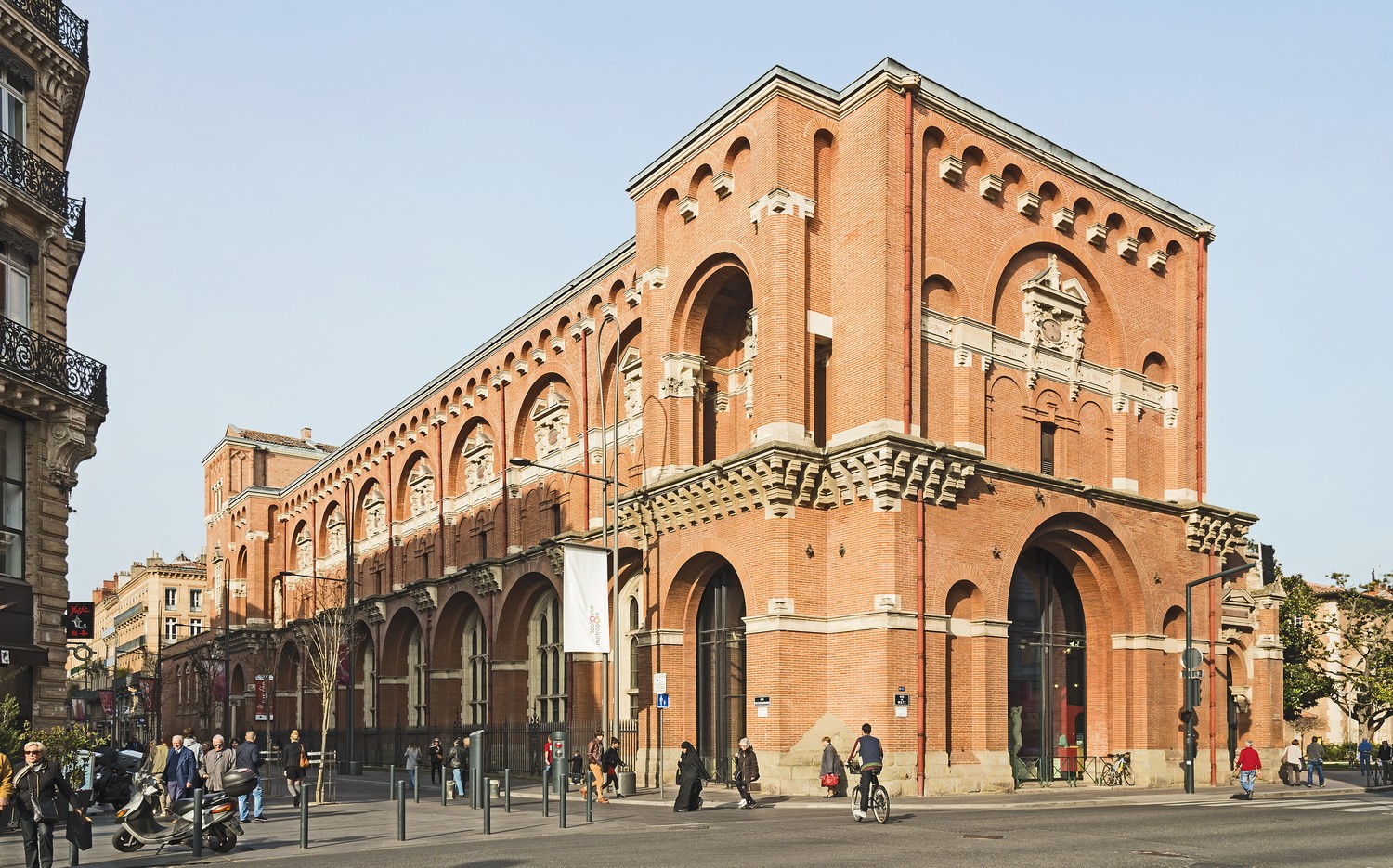
A Sanctuary of Stone and Spirit
In the heart of Toulouse, where the echoes of Occitan history still linger in the air, the Musée des Augustins offers a profound encounter with the past. Stepping into this remarkably preserved Gothic edifice, once a sacred Augustinian convent, one is immediately enveloped by an atmosphere of architectural grandeur. The soaring ribbed vaults and pointed arches do more than support a roof; they direct the gaze upward, inviting a sense of divine contemplation.As light filters through the vibrant stained glass panels in the nave, it bathes the interior in an ethereal glow, illuminating a space where the boundaries between the secular and the sacred seem to dissolve. The reconstructed cloister, with its tranquil medieval garden, provides a serene respite, allowing visitors to wander through a landscape that has witnessed centuries of devotion and transformation. This architectural setting is not merely a backdrop but a living participant in the museum's narrative, offering a sense of permanence and peace that is rare in the modern world.
The Silent Witnesses of the Romanesque Era
Within these hallowed walls, the museum’s collection of Romanesque sculpture stands as a monumental testament to the twelfth century. These limestone figures, carved with a palpable sense of spiritual solemnity, represent the distinctive aesthetic of Provence and the broader Occitan region. Each saint and biblical scene is imbued with an expressive gesture and stylized form that speaks of a time when art was a primary vessel for faith.To walk among these sculptures is to engage in a silent dialogue with the medieval soul; their weathered surfaces and powerful narratives offer a glimpse into the religious fervor that shaped European identity. This collection, alongside the museum's delicate illuminated manuscripts and liturgical treasures, creates a rich tapestry of medieval artistry, where every meticulously crafted object serves as a window into a world defined by piety and intricate craftsmanship. For the art lover, these pieces represent the very foundations of Western sculptural tradition.
A Canvas of Changing Eras
As one moves from the weight of stone to the fluidity of canvas, the Musée des Augustins reveals its role as a custodian of France’s evolving artistic legacy. The museum’s galleries house a breathtaking progression of painting styles, spanning from the fifteenth to the early twentieth century. One cannot help but be moved by the Neoclassical precision of Jean Auguste Dominique Ingres , particularly in his masterpiece, Virgil Reading from 'The Aenid' . In this work, the interplay of light and shadow brings ancient literature to life, showcasing a technical mastery that bridges the gap between classical themes and modern realism.This era of refinement is contrasted beautifully by the dramatic energy of Romanticism, seen in the works of Delacroix , and the evocative, fleeting moments captured by Toulouse-Lautrec during the Belle Époque. For the collector or the interior designer, these works offer more than mere decoration; they are profound explorations of human emotion and historical movement. The museum stands as a vital destination for anyone seeking to understand the enduring power of the visual arts, presenting a curated journey through the very soul of European creativity.



