

Quick Facts
- Location: Mafra, Portugal
- Art types: wallart
- Movements: portuguese naturalism
- More…
- Works on APS: 1
- Mediums: acrylic on canvas
- Featured artists: José Malhoa
Art Quiz
There is only one correct answer for each question.
Question 1:
What architectural style dominates the Palace of Mafra?
Question 2:
Approximately how large is the palace complex in square meters?
Question 3:
Who was primarily responsible for designing the palace's architecture?
Question 4:
What significant contribution from Brazil fueled the construction of Mafra?
Question 5:
How many bells are present in Mafra's two carillons?
Exhibited Artists

José Malhoa
José Malhoa (1855-1933): Discover Portugal's leading Naturalist painter, celebrated for iconic works like 'The Drunks' & 'Fado'. Explore his realistic depictions of Portuguese life and evolving Impressionistic style.

Related Articles

Bronze Age to Modern Masters: 10 Sculptures That Redefined Art | OriginalUniqueArt
Journey through art history with 10 legendary bronze sculptures – from Michelangelo's David to Rodin’s Thinker. Explore the stories, techniques & timeless beauty of these masterpieces. Find museum-quality reproductions & elevate your home decor on OriginalUniqueArt.com.
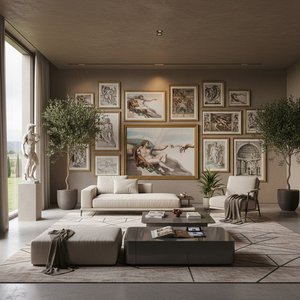
Michelangelo's Masterpieces: Explore 25 Iconic Artworks for Your Home | OriginalUniqueArt
Journey through Michelangelo's 25 greatest artworks – from David’s strength to the Sistine Chapel’s beauty. Explore Renaissance masterpieces, art history & find museum-quality reproductions for your home at OriginalUniqueArt.com.
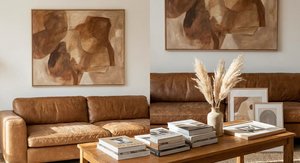
Sandy Brown Masterpieces: 10 Iconic Paintings & Timeless Decor Ideas
Explore 10 iconic paintings bathed in captivating sandy brown tones! From Rembrandt to Monet, discover the stories behind these timeless masterpieces & find museum-quality art reproductions for your home. Explore the full collection on OriginalUniqueArt.com.


Subscribe to Our Newsletter
Stay updated with the latest art news, exclusive offers, and decoration ideas.
Get 3 Free Art Suggestions
Tell us about your project and our art experts will provide you with 3 personalized art suggestions.
Not Sure Where to Start?
Let Us Curate 3 Options Just for You - Free!