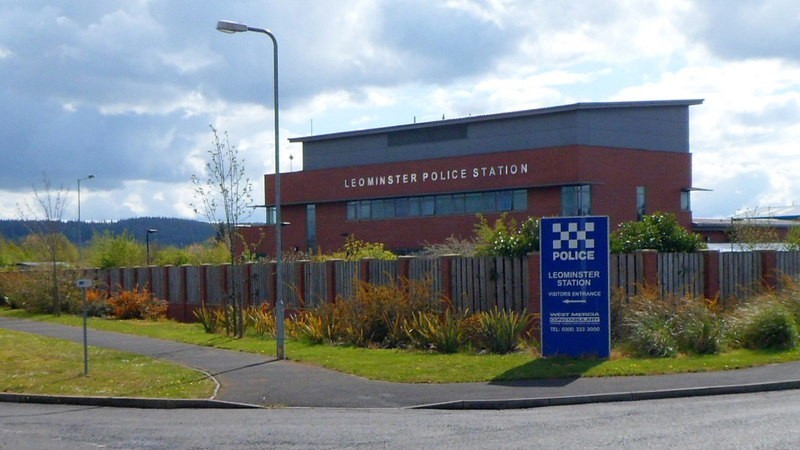
About Leominster Police Station
The Leominster Police Department serves as a vital public safety resource for the community of Leominster, Massachusetts. While not a traditional museum in the conventional sense, it offers a unique insight into local law enforcement and civic responsibility.
Specializations & Notable Aspects
- Public Safety: The department is dedicated to maintaining safety and order within Leominster through proactive policing strategies.
- Community Policing: A strong emphasis is placed on building relationships with residents and fostering a collaborative environment.
- Transparency & Access: The department provides access to public records and information regarding its operations.
- Potential New Location: Currently, there are discussions surrounding the relocation of the police station to the National Plastics Museum, potentially offering expanded facilities and community engagement opportunities.
Collection Highlights (Information & Services)
- Public Safety Initiatives: Information on various programs designed to enhance safety within the city.
- Records Requests: Access to public records pertaining to law enforcement activities.
- License to Carry: Processing and information regarding firearm licenses, adhering to Massachusetts state laws.
History & Architecture
The Leominster Police Department has a long history of serving the community, evolving alongside the city itself. Currently located at 116 Central Street, the station represents a functional and accessible base of operations. The potential move to the National Plastics Museum would signify a modern architectural shift, potentially integrating law enforcement services with a cultural institution.
What Makes It Unique
The Leominster Police Station’s uniqueness lies in its direct connection to the community it serves. While not displaying artifacts or artworks, it *is* a living representation of civic duty and public safety. The potential relocation to the National Plastics Museum presents an innovative approach to integrating law enforcement with cultural resources, fostering greater transparency and accessibility for residents.