A Legacy Woven in Stone and Brushstrokes
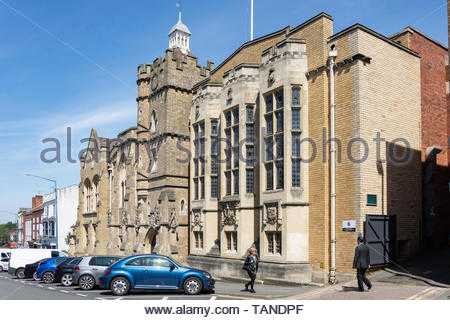
Nestled within the historic town of Stourbridge, King Edward VI College stands as more than just a center for academic pursuit; it’s a quietly compelling testament to the enduring intersection of education and artistic heritage. Founded on May 21st, 1430, as the Chantry School of Holy Trinity, this institution boasts a lineage stretching back nearly six centuries – a remarkable span that has witnessed profound shifts in British society and culture. The college’s motto, “Honi soit qui mal y pense,” – "Shame on him who thinks evil of it" – speaks volumes about its commitment to integrity, scholarship, and a deep appreciation for the value of thoughtful engagement with the world around them. While not formally designated as a museum, KEDST's unique relationship with significant artworks, particularly through its educational programs and carefully curated collections, offers a surprisingly rich experience for those willing to delve deeper than the typical sixth-form setting.
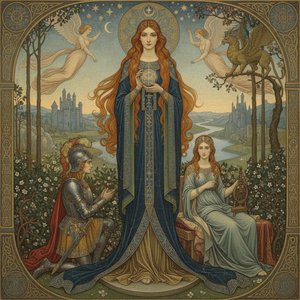
The college’s connection to art began modestly, initially focusing on classical studies and illuminated manuscripts. However, over time, a deliberate interest in visual arts developed, fueled by regular excursions to institutions like the National Gallery, British Museum, and Dudley Museum – experiences that have shaped the artistic sensibilities of generations of students. A particularly notable aspect of this connection is the college’s engagement with the works of Edward Burne-Jones, most notably his iconic “King Mark and La Belle Iseult.” Reproductions and studies related to this masterpiece are thoughtfully integrated into the curriculum, providing students with a tangible link to one of Britain's greatest Pre-Raphaelite painters. Furthermore, KEDST’s recognition of King Edward VII and his portraiture demonstrates an ongoing appreciation for royal iconography – a tradition deeply rooted in British history and artistic representation.
Royal Portraits and Artistic Echoes
Beyond the Burne-Jones connection, the college's collection subtly reflects a broader engagement with significant works of art. References to King Edward VI are present, showcasing an appreciation for historical portraiture – a tradition that has long served as both a record of power and a reflection of cultural values. The careful selection of these images isn’t merely decorative; it serves as a pedagogical tool, prompting students to consider the symbolism, context, and artistic techniques employed by various artists throughout history. The college's commitment extends beyond simply displaying artwork; it actively cultivates an understanding of its historical and cultural significance.
Furthermore, exploring the work of British watercolorists like Edward Robert King (1860-1941) and Edward King Redmore offers a fascinating glimpse into the artistic landscape of the Edwardian era. King’s evocative landscapes and portraits capture the spirit of the time with remarkable sensitivity, while Redmore's genre paintings provide intimate portrayals of Victorian domestic life – offering valuable insights into social customs and aesthetics. These artists, though perhaps less widely celebrated than Burne-Jones, represent a vital thread in the tapestry of British art history, and their works resonate powerfully within KEDST’s collection.
A Hub for Learning and Cultural Engagement
The college's artistic connections are not confined to static displays; they are actively integrated into the curriculum through educational trips and workshops. Students regularly engage with renowned institutions like the National Gallery, British Museum, and Dudley Museum, fostering a deep appreciation for art history and technique. The recent addition of the Frank Foley Building, a state-of-the-art facility designed to support creative pursuits, further underscores KEDST’s commitment to nurturing artistic talent. The college's motto, “Honi soit qui mal y pense,” reflects a broader ethos of intellectual rigor and a dedication to fostering critical thinking – qualities that are essential for both academic success and artistic appreciation.
Visiting King Edward VI College
While primarily an educational institution, KEDST offers a unique opportunity for art enthusiasts and prospective students alike. The college’s website (