Menu
FREE ART CONSULTATION

Herzog Gemäldegalerie Alte Meister

Quick Facts

  • Art types: wallart
  • Alternate names:
    • Gemäldegalerie Alte Meister
    • Old Masters Gallery
    • Herzog Gemäldegalerie Alte Meister
    • Dukes Gallery of Old Masters
    • Staatliche Kunstsammlungen Dresden
  • Featured artists: Johannes Vermeer
  • Location: Dresden, Germany
  • More…
  • Historical periods: high medieval
  • Works on APS: 1
  • Mediums: oil on canvas

Art Quiz

There is only one correct answer for each question.

Question 1:
What architectural style characterizes the Zwinger Palace, where the Gemäldegalerie Alte Meister is located?
Question 2:
The Gemäldegalerie Alte Meister primarily focuses on which artistic periods?
Question 3:
Which Italian master's lyrical grace is prominently displayed in the Gemäldegalerie Alte Meister?
Question 4:
What was the original purpose of the Zwinger Palace before it became a museum?
Question 5:
The Sistine Madonna, housed in the Gemäldegalerie Alte Meister, exemplifies what artistic ideal?

A Baroque Jewel: Exploring Dresden’s Gemäldegalerie Alte Meister

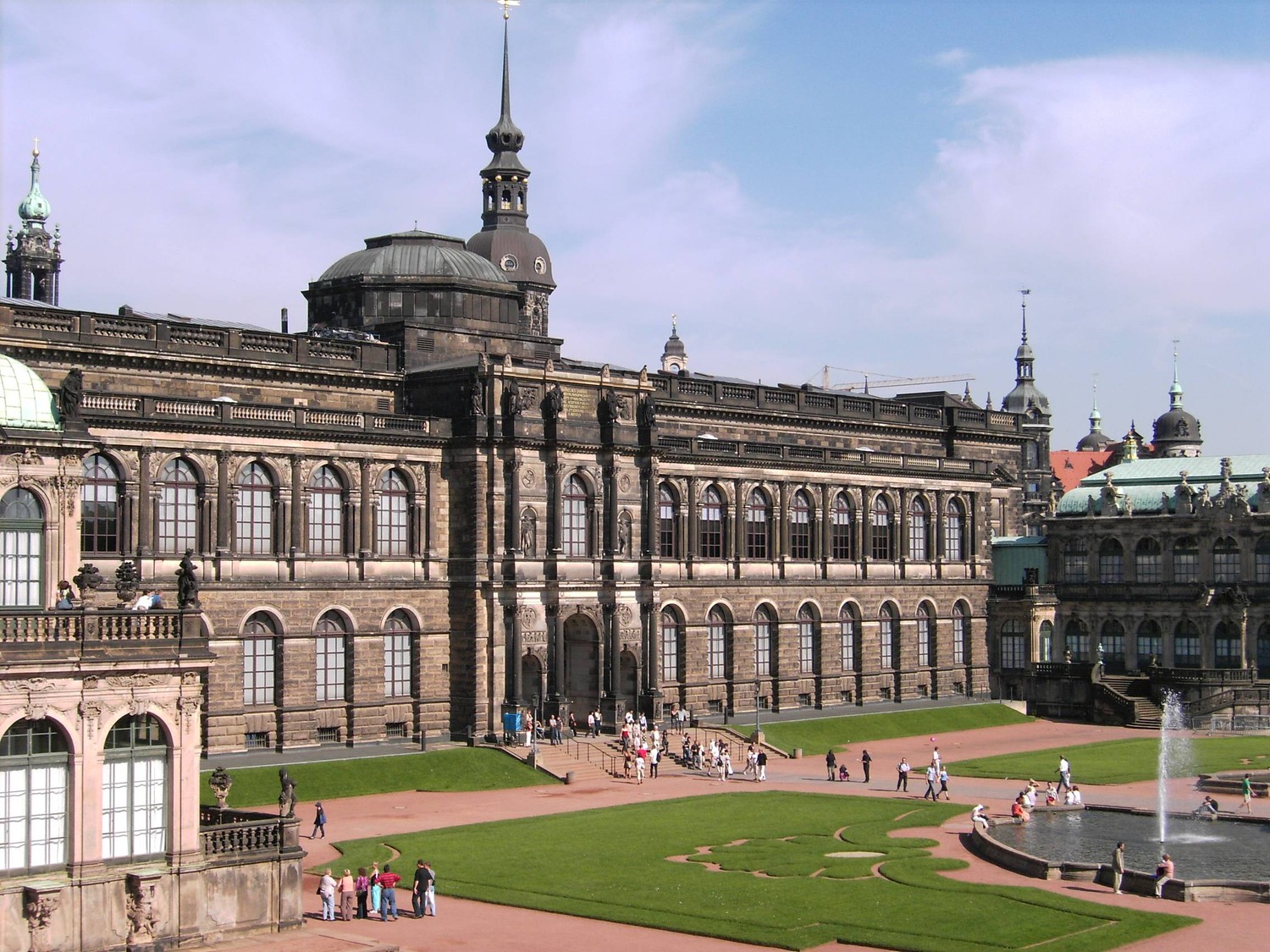
Nestled within the magnificent Zwinger Palace in Dresden, Germany, the Gemäldegalerie Alte Meister – Old Masters Gallery – is more than just a museum; it’s an immersive journey through five centuries of European artistic achievement. The very stones of its Baroque surroundings whisper tales of royal ambition and cultural flourishing, setting the stage for an unparalleled collection that spans from the 13th to the 18th centuries. Founded on the collections amassed by the Electors and Kings of Saxony, the gallery’s story is interwoven with the history of Dresden itself – a city reborn from the ashes of war, yet steadfast in its dedication to preserving beauty. Before even encountering the paintings within, visitors are captivated by the architectural splendor of the Zwinger Palace. Designed by Matthäus Daniel Pöppelmann and constructed in the early 18th century under Augustus the Strong, it began not as a museum but as an opulent orangery and festival arena. Its playful blend of pavilions, galleries, and elaborate sculptures was intended to celebrate the power and refined taste of the Saxon court. The palace’s transformation into a museum complex reflects a shift in priorities – from lavish display to thoughtful preservation and public access. Fountains dance in courtyards, statues seem to come alive amidst the Baroque flourishes, and every corner reveals a new detail demanding attention. The Zwinger isn't merely a container for art; it’s an integral part of the artistic experience, enhancing the emotional resonance of the masterpieces within. ### A Tapestry of Artistic Styles The Gemäldegalerie Alte Meister distinguishes itself through its focused specialization in Renaissance and Baroque painting. Within its walls, one encounters a remarkable concentration of Italian masters – Botticelli’s lyrical grace, Titian's vibrant colorism, and Correggio's ethereal compositions all find representation. But the collection doesn’t stop there. The Dutch Golden Age is brilliantly showcased with works by Rembrandt van Rijn, whose masterful use of light and shadow reveals the inner lives of his subjects, alongside the serene domestic scenes of Johannes Vermeer. Flemish Primitives like Jan van Eyck demonstrate an astonishing level of detail and realism, while German masters such as Lucas Cranach the Elder offer a unique perspective on portraiture and allegorical themes. Perhaps no single work embodies the gallery’s spirit more profoundly than Raphael's *Sistine Madonna*. This iconic image, with its tender depiction of the Virgin Mary and Child, has become synonymous with the museum itself, drawing countless visitors to contemplate its enduring beauty. The painting isn’t simply a religious icon; it is a testament to the Renaissance ideal of harmonious composition and emotional depth, inviting viewers into a moment of quiet contemplation and spiritual connection. ### Resilience and Renewal: A History Etched in Stone The history of the Gemäldegalerie Alte Meister is not without its shadows. The gallery endured significant damage during World War II, particularly during the devastating bombing of Dresden in February 1945. The city lay in ruins, and many artworks were lost or severely damaged. However, a remarkable effort of restoration and reconstruction followed, driven by a commitment to preserving cultural heritage. Today, the Gemäldegalerie Alte Meister stands as a testament to human resilience and the enduring power of art. The careful rebuilding of the Zwinger Palace and the painstaking restoration of its paintings represent not only an act of preservation but also a symbol of hope and renewal. This dedication extends beyond mere physical repair; it’s a commitment to safeguarding the stories embedded within each canvas, ensuring that future generations can experience the profound impact of these artistic legacies. The museum continues to evolve, hosting temporary exhibitions that explore specific themes or artists, ensuring that it remains a vibrant center for artistic scholarship and appreciation. ### An Intimate Encounter with Art History What truly sets the Gemäldegalerie Alte Meister apart is its ability to offer an intimate encounter with art history. The focused nature of the collection allows visitors to delve deeply into specific periods and styles, fostering a nuanced understanding of artistic development. The breathtaking setting of the Zwinger Palace elevates the experience beyond mere observation; it invites contemplation and emotional connection. Whether you are a seasoned collector seeking inspiration, an interior designer searching for timeless elegance, or simply an art enthusiast eager to explore the masterpieces of the past, the Gemäldegalerie Alte Meister promises an unforgettable journey into the heart of European artistic heritage. It is a place where time seems to slow down, allowing one to truly connect with the creative spirit that has shaped our world. For Collectors: A source of inspiration and insight into historical styles and techniques. For Interior Designers: An unparalleled resource for understanding color palettes, composition, and the enduring appeal of classic art. For Art Lovers: A chance to experience masterpieces in a stunning setting, fostering a deeper appreciation for European artistic traditions.