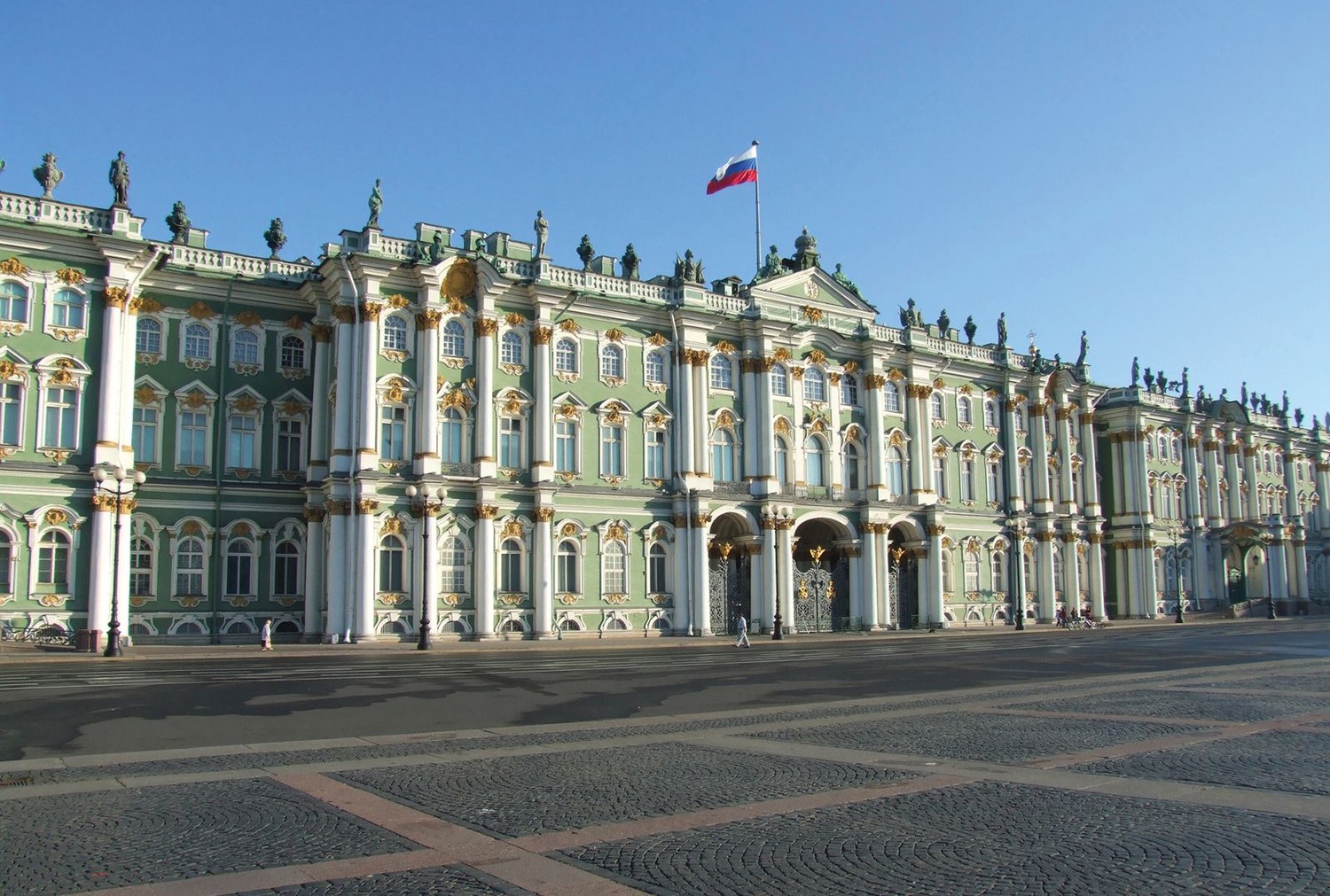



A Timeless Tapestry: Unveiling the State Hermitage Museum
Step into a world where centuries converge—the State Hermitage Museum in St. Petersburg is more than just a repository of art; it’s a living chronicle of empires, revolutions, and the enduring human spirit. Founded by Catherine the Great as a palace dedicated to showcasing Europe's artistic treasures, the museum has evolved into an unparalleled cultural complex, a sprawling testament to ambition, patronage, and the relentless pursuit of beauty. From its humble beginnings with 255 paintings, it now houses over three million items—a breathtaking kaleidoscope spanning millennia and continents. The very air within these hallowed halls vibrates with echoes of grand balls, whispered political intrigues, and the quiet contemplation of countless visitors drawn to witness the sheer magnitude of human creativity.
- A Royal Genesis: Catherine the Great’s vision was revolutionary—to transform a palace into a museum, a space where European art would be accessible not just to royalty but to all. This audacious concept laid the foundation for what is now considered one of the world's greatest museums.
- Architectural Marvels: The Hermitage isn’t contained within a single building; it’s an ensemble—a magnificent collection of palaces, each contributing to an immersive experience that unfolds along the Palace Embankment. The Winter Palace, once the opulent official residence of the Russian emperors, stands as the heart of the museum, its gilded halls and colossal sculptures embodying imperial power. Adjacent structures – the Small Hermitage, Old Hermitage, New Hermitage, Menshikov Palace – each possess unique architectural styles and historical significance, creating a layered narrative that unfolds with every step.
A Global Gallery: Treasures Across Time and Continents
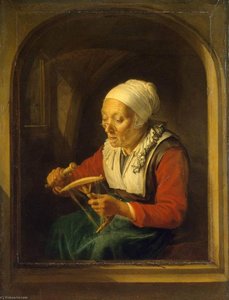
The Hermitage’s collection is remarkably diverse—a vibrant global spectrum of artistic brilliance that transcends cultures and eras. Western European Art takes center stage, boasting iconic works by masters such as Rembrandt, Leonardo da Vinci, Michelangelo, Vermeer, Titian, and Raphael. The Dutch Masters are particularly well-represented, offering an unparalleled exploration of 17th-century painting with its meticulous detail and evocative light. Consider Rembrandt’s masterful use of *chiaroscuro*, the dramatic interplay of light and shadow that brings his subjects to life—a technique he perfected through countless hours of observation and experimentation. Vermeer's serene domestic scenes, capturing moments of quiet intimacy with breathtaking realism, are equally captivating, inviting viewers into a world of subtle beauty and understated emotion.
- Ancient Echoes: Beyond Europe, the Hermitage’s treasures extend far beyond. Ancient civilizations come alive through artifacts from Egypt, Greece, Rome, and the Middle East, providing invaluable insights into ancient societies and their artistic expressions—from monumental sculptures to delicate jewelry.
- Decorative Arts & Jewelry: A dazzling array of furniture, textiles, and adornments reflects the opulence and craftsmanship of royal courts throughout history. These exquisite objects offer a glimpse into the lives of those who commissioned them, revealing details about fashion, social customs, and artistic trends.
- Eastern Rhythms: The museum’s holdings include over 3 million items, encompassing paintings, sculptures, decorative arts, archaeological finds, and numismatic collections, representing a vast range of cultures and historical periods. A significant portion is dedicated to Asian art – delicate Chinese porcelain, intricately lacquered Japanese pieces, and vibrant Persian miniatures—each reflecting unique cultural traditions and artistic techniques.
A Legacy Forged in History: From Imperial Collection to Global Showcase
The Hermitage’s collection isn't merely a static archive; it’s a living testament to human creativity and cultural exchange. The museum’s commitment to conservation ensures that these masterpieces will continue to inspire and educate for centuries to come. From the meticulous restoration of ancient frescoes to the careful preservation of delicate textiles, every effort is made to safeguard this invaluable heritage. Furthermore, the Hermitage actively promotes research and scholarship, contributing significantly to our understanding of art history and cultural studies. The museum’s dedication extends beyond its walls, with a significant portion of its collection being regularly loaned for exhibitions around the world, furthering its influence and sharing its treasures with a global audience.
Notable Exhibitions & Ongoing Engagement:**- Rotating Themes: The Hermitage isn’t simply a static display of art; it's a dynamic cultural hub that actively engages with the world. Recognized as a UNESCO World Heritage Site, its historical significance is globally acknowledged.
- Educational Programs: The museum provides an extensive range of educational programs tailored to diverse audiences—from guided tours and lectures to workshops and interactive exhibits designed to spark curiosity and foster deeper understanding.
- Cultural Events:** Cultural events, including concerts, performances, and scholarly symposia, enrich the visitor experience and foster a greater appreciation for art and history.
The Winter Palace: A Centerpiece of Imperial Grandeur
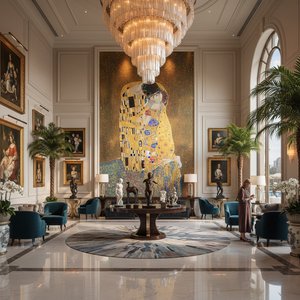
At the heart of the Hermitage lies the Winter Palace, once the opulent official residence of the Russian emperors—a space where history wasn’t merely displayed; it was profoundly *felt*. Imagine strolling through rooms where balls were held, treaties were signed, and empires were shaped – each gilded detail, from the intricate stucco work to the colossal marble sculptures, a testament to the power and artistry of a bygone age. The palace itself is a masterpiece of Baroque architecture, reflecting the grandeur and ambition of the Romanov dynasty. Its vast halls, adorned with priceless artwork and lavish furnishings, offer a tangible connection to Russia’s imperial past. Beyond its historical significance, the Winter Palace serves as a powerful symbol of Russian identity and cultural heritage.