

A Global Gallery Without Walls
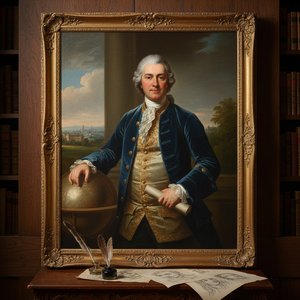
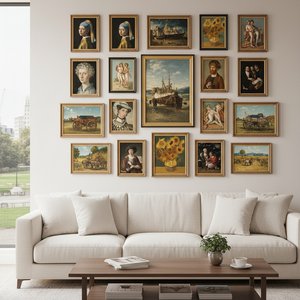
The Government Art Collection (GAC) represents one of the most ambitious and poetic experiments in cultural diplomacy ever conceived. Unlike the static, silent halls of traditional museums, the GAC operates on a principle of beautiful dispersal, acting as a living, breathing entity that transcends physical borders. Established in 1899 through the visionary foresight of the 2nd Viscount Esher, the collection was born from a profound belief that art possesses a unique power to foster international understanding and project national identity. Rather than confining masterpieces within the confines of London, the GAC strategically places works of exceptional merit within British embassies, high commissions, and government buildings across the globe—from the bustling streets of Tokyo and Nairobi to the historic corridors of Washington D.C. and Brussels.
This nomadic approach transforms diplomatic outposts into vibrant canvases of history and innovation. To encounter a piece from this collection is often to experience a serendipitous moment of beauty in an unexpected setting. The collection’s evolution reflects the shifting tides of British culture itself; while its origins were rooted in historical portraiture designed to bolster national pride, it has matured into a dynamic repository that champions the contemporary and the diverse. Today, the GAC serves as a vital stage for voices that define modern Britain, showcasing the intricate textile sculptures of Yinka Shonibary, the profound explorations of identity by Lubaina Himid, and the striking urban landscapes of Hurvin Anderson. It is a collection that does not merely look backward at past glories but actively engages with the multicultural pulse of the present.
Architectural Grandeur and Curatorial Vision
The heart of this global operation resides within the historic Old Admiralty Building in London, a structure steeped in maritime majesty. Constructed in 1865 as a naval headquarters, the building’s soaring ceilings, ornate architectural detailing, and tranquil courtyard provide a sense of permanence and gravity to the collection's administrative soul. Within these walls, the legacy of curators like Richard Perry Bedford and Richard Walker can be felt—curators who transitioned the GAC from a repository of traditional iconography into a sophisticated dialogue between historical tradition and avant-garde experimentation. The architectural setting itself serves as a reminder of the collection’s duty to represent British excellence through both strength and elegance.
The curatorial brilliance of the GAC is perhaps most evident in its ability to weave disparate eras into a single, cohesive narrative. Recent exhibitions have navigated the complex terrains of British Romanticism, Surrealism, and Conceptual Art, proving that the collection's scope is as intellectually rigorous as it is aesthetically pleasing. This commitment to depth is further exemplified by initiatives such as the ‘Representation of the People Project,’ launched in 2018, which ensures that the collection remains an inclusive mirror of society, highlighting artists from diverse backgrounds and ensuring that the British story told abroad is one of multifaceted richness.
A Legacy of Connection and Inspiration
For the art lover, the collector, or the interior designer, the Government Art Collection offers more than just a catalog of works; it offers a masterclass in how art can function as a conduit for communication. Every painting, sculpture, and print serves as an ambassador. When one considers Paul Nash’s evocative landscapes gracing an embassy in Tokyo, or the way Barbara Hepworth’s sculptural forms enrich a High Commission in Nairobi, the true mission of the GAC becomes clear: to use the aesthetic language of art to bridge geographical and cultural divides.
The collection remains a singular phenomenon in the art world—a testament to the idea that art is most powerful when it is shared. It invites us to look beyond the frame and recognize that beauty, when placed strategically within the machinery of diplomacy, can soften borders and inspire dialogue. Whether through the haunting portraits of Lucian Freud or the provocative installations of Damien Hirst, the GAC continues to weave a global tapestry of connection, ensuring that the spirit of British creativity remains an ever-present guest in the world's most important diplomatic circles.