
A Sanctuary of Baroque Brilliance: The Hidden Soul of Rome
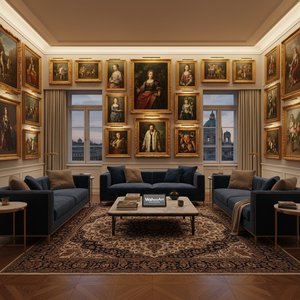
In the heart of the Eternal City, tucked away from the frenetic energy of modern Roman life, lies a sanctuary where time seems to have paused in a state of perpetual grandeur. The Galleria Corsini is not merely a museum; it is an immersive journey into the theatrical splendor of the 17th and 18th centuries. Housed within the magnificent Palazzo Corsini, this institution serves as a breathtaking testament to the era of Roman aristocratic patronage, offering a window into a world defined by dramatic innovation, emotional intensity, and the sublime beauty of the Baroque and Rococo movements. As a vital component of the Galleria Nazionale d’Arte Antica, it provides a profound narrative counterpart to the nearby Palazzo Barberini, inviting scholars and dreamers alike to trace the multifaceted evolution of Italian art history.
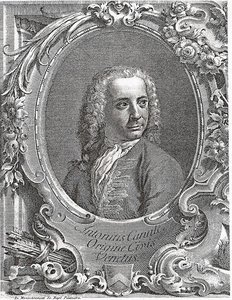
The collection itself is an almost untouched repository of artistic genius, preserved with such remarkable integrity that one feels less like a spectator and more like a guest in a private princely gallery. The walls are adorned with canvases that capture the very zenith of human creativity, where every brushstroke tells a story of devotion or drama. Visitors may find themselves spellbound by the masterful manipulation of chiaroscuro in works attributed to Caravaggio, where light pierces through deep shadows to reveal raw, psychological depth. The collection breathes with the harmonious compositions of Raphael and the sculptural dynamism of Bernini, whose influence permeates the very atmosphere of the rooms. From the serene, luminous textures found in the works of Bartolome Esteban Murillo to the sweeping, atmospheric vistas of Canaletto, every masterpiece serves as a portal to a bygone age of elegance and spiritual fervor.
Architectural Grandeur and Neoclassical Elegance
Beyond the canvases, the architecture of Palazzo Corsini provides a stage as dramatic as the art it protects. The palace itself is a marvel of transformative history, having undergone a monumental reconstruction in 1786 under the direction of the renowned architect Ferdinando Fuga. Commissioned for Cardinal Neri Maria Corsini, this renovation was a deliberate act of architectural ambition, designed to mirror the opulent tastes of the Roman nobility and elevate the palazzo's status. The building exemplifies Neoclassical elegance, drawing inspiration from the balanced proportions of Palladian villas. Its symmetrical façade and refined ornamentation command respect, reflecting the Enlightenment-era shift toward order and rational thought, even as the interior remains a lush celebration of Baroque excess.
What truly distinguishes the Galleria Corsini for the discerning collector or interior designer is its unique ability to offer an authentic atmosphere that modern galleries often struggle to replicate. It is a place where the setting and the subject matter are inextricably linked; the gilded frames and stately halls are not mere containers but active participants in the viewing experience. Recent exhibitions have further deepened this connection, delving into the psychological impact of Caravaggio’s techniques and exploring how Rococo decorative arts intertwined with visual masterpieces to shape the broader cultural landscape. To walk through these halls is to witness the enduring legacy of a golden age, making it an essential pilgrimage for anyone seeking to understand the profound intersection of power, faith, and artistic transcendence.