A Tapestry of Segovia’s Artistic Soul
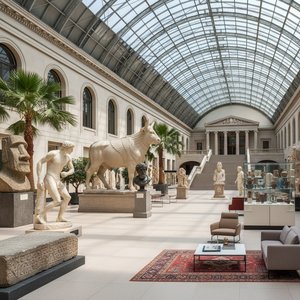
The Diputación Provincial Museum in Segovia, Spain, stands as a profound testament to the region's enduring fascination with art and history—a place where Roman grandeur intertwines with Visigothic piety and echoes of European masters resonate through the centuries. More than just a repository of artifacts, it offers an immersive experience designed to transport visitors back in time, illuminating Segovia’s multifaceted cultural heritage. Located within the impressive Palace of the Diputación del General del Reino de Aragón—a building itself steeped in provincial architectural traditions dating back to 1436—the museum provides a captivating journey through artistic evolution, where every stone and canvas tells a story of imperial power, religious devotion, and royal refinement.
At the heart of the museum’s collection lies an extraordinary assemblage of Roman mosaics, remarkably preserved and showcasing the unparalleled artistry of the period when Segovian soil was part of the Roman Empire. These intricate tesserae—tiny colored stones meticulously arranged—depict scenes from mythology and daily life, offering invaluable insights into Roman artistic conventions and societal values. The skillfulness with which these mosaics were crafted speaks volumes about the sophistication of Roman craftsmanship and underscores Segovia’s role as a vibrant center of imperial culture. Detailed analysis reveals techniques perfected during this era, demonstrating an understanding of geometry and color theory that foreshadowed the great developments in later European art.
Alongside these Roman treasures are striking examples of Visigothic art, a period marked by intense religious fervor and distinctive stylistic features. Illuminated manuscripts adorned with elaborate borders and stylized depictions of saints exemplify the spiritual preoccupations of the time, while sculptures crafted from alabaster and granite convey a sense of solemn grandeur. The Visigoths’ artistic endeavors reflect their adaptation to challenging circumstances—the preservation of Christian traditions amidst political instability—and demonstrate an aesthetic sensibility characterized by bold ornamentation and symbolic representation. Studying these artworks provides crucial context for understanding the cultural landscape of medieval Spain, bridging the gap between antiquity and the Middle Ages.
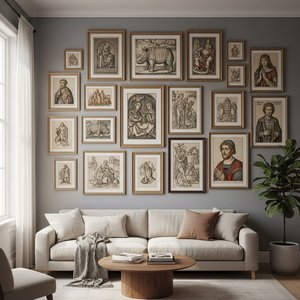
The museum’s narrative reaches a luminous peak with its display of crystal pieces originating from the Royal Palace of La Granja, a symbol of Spanish monarchy and artistic patronage. These delicate sculptures, crafted with exceptional precision, exemplify the opulent aesthetic sensibilities of the Bourbon dynasty and showcase the mastery of glassblowing techniques prevalent during the eighteenth century. This collection is further enriched by a thoughtfully curated selection of prints and drawings by celebrated European masters, including Albrecht Dürer and Rembrandt van Rijn . These reproductions capture the essence of Renaissance and Baroque techniques, allowing visitors to appreciate the nuances of draughtsmanship and the masterful use of chiaroscuro. For the art lover and the collector alike, the Diputación Provincial Museum serves as a tangible connection to the intellectual currents that shaped European culture, making it an essential destination for anyone seeking to understand the profound legacy of Spanish and continental artistry.