
Table of Contents
Quick Facts
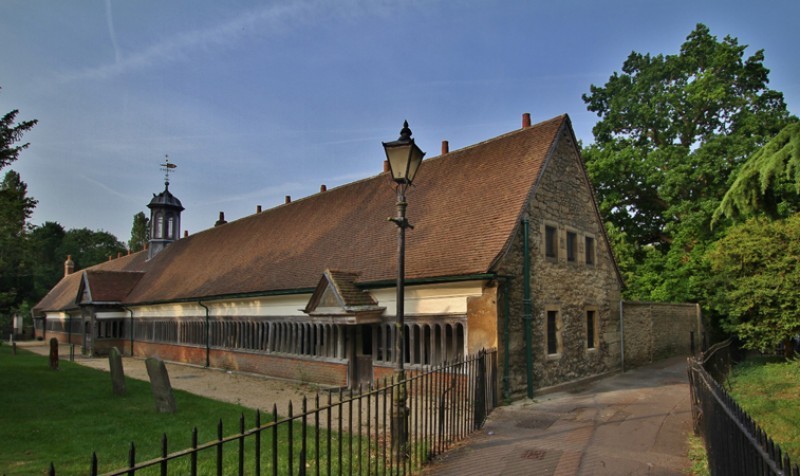
- Alternate names:
- Christs Hospital of Abingdon
- Christs Hospital Abingdon
- Christs Hospital
- Oxfordshire Almshouse Museum
- Featured artists:
- Harry Goodwin
- sampson strong
- Works on APS: 4
- Location: Abingdon, United Kingdom
Art Quiz
There is only one correct answer for each question.
Question 1:
What is Christ’s Hospital of Abingdon primarily known for?
Question 2:
Which of these artists is featured prominently in Christ's Hospital’s art collections?
Question 3:
What distinguishes Christ’s Hospital from other almshouses in the UK?
Question 4:
Approximately when was Christ’s Hospital founded?
Exhibited Artists

Harry Goodwin
Harry Goodwin (1924-2013) was a British photographer celebrated for his iconic images of 60s & 70s music and sports stars. Resident photographer of BBC's Top of the Pops, capturing a generation’s cultural history.


sampson strong
Sampson Strong (1550-1611) was a prominent English portraitist of the Tudor & Elizabethan eras. Known for his realistic depictions of nobles, clergy, and statesmen.
Related Articles
The Enduring Legacy of Architecture in Art: A Historical Survey of Representation & Meaning
Explore the rich history of architecture in art, from Renaissance theory to 19th-century reconstructions. Discover key artists & movements shaping visual representation – a guide for discerning collectors.
The Commanding Presence: Architectural Integration & Proportional Strategies for Monumental Art Reproductions in Luxury Interiors
Discover the art of integrating monumental reproductions into luxury interiors. Expert guidance on spatial harmony, authentic materials & bespoke design for a commanding presence in your home. Elevate your space with OriginalUniqueArt.
Frederick Morgan: A Study in Aestheticism & Victorian Beauty
Explore the captivating world of Frederick Morgan, a key figure in Victorian Aestheticism. Discover his beautiful paintings, recurring themes, and lasting legacy with our expert analysis. Learn more today!
List of Artworks




Subscribe to Our Newsletter
Stay updated with the latest art news, exclusive offers, and decoration ideas.
Get 3 Free Art Suggestions
Tell us about your project and our art experts will provide you with 3 personalized art suggestions.
Not Sure Where to Start?
Let Us Curate 3 Options Just for You - Free!