



A Living Tapestry of Derbyshire Grandeur
Nestled amidst the rolling hills of the Derbyshire Dales, Chatsworth House stands as a beacon of aristocratic grandeur and an enduring testament to the power of artistic patronage. It is far more than a mere stately home; it is a place where history breathes through every weathered stone and where every canvas whispers tales of centuries past. Founded in 1549 by Sir William Cavendish, the estate has evolved from a modest manor into a magnificent tapestry of human ambition, woven by successive Dukes and Duchesses who sought to transform their ancestral seat into one of Britain’s most celebrated residences. To walk through its gates is to enter a realm where the boundaries between nature and artifice dissolve, offering an immersive experience for anyone captivated by the profound intersection of architecture, landscape, and fine art.
The architectural narrative of Chatsworth is a remarkable dialogue across eras, refusing to be confined to a single stylistic movement. While the visionary Bess of Hardwick established a foundation of Elizabethan solidity with robust walls and timber framing, the house’s true metamorphosis occurred during the 17th and 18th centuries. Under the ambitious direction of William Cavendish IV, the estate underwent a dramatic reimagining that extended far beyond the manor's walls. The legendary landscape architect Capability Brown was commissioned to sculpt the surrounding terrain into an expansive panorama—a sweeping tapestry of hills, and shimmering water features that seamlessly integrate the house with the wild beauty of the Derbyshire countryside. This deliberate reshaping was an act of high art in itself, designed to elevate Chatsworth as a supreme symbol of aristocratic taste and sophisticated Enlightenment ideals.
A Sanctuary of Masterpieces and Creative Genius
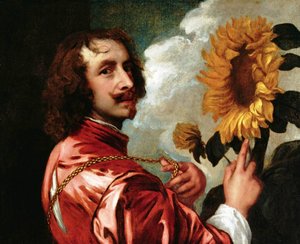
Within its hallowed halls, the collection offers a symphony of artistic expression that rivals the world's great national galleries. The interior spaces serve as a curated sanctuary for masterpieces of unparalleled significance, where light and shadow dance across centuries-old pigments. In the Queen of Scots Rooms, the masterful portraits of Rembrandt provide poignant, shadowed glimpses into Elizabethan court life, evoking the melancholic beauty of Mary Stuart’s brief confinement within these very walls. For the scholar and the connoisseur, the presence of Leonardo da Vinci’s sketches offers an intimate window into the creative mind of a Renaissance genius, revealing the delicate interplay of light and anatomical precision. This extraordinary assemblage is further enriched by neoclassical sculptures positioned with mathematical grace throughout the house and gardens, reflecting a period when beauty and reason were seen as inseparable virtues.
What truly distinguishes Chatsworth House from a static monument is its vibrant, living pulse. It remains an estate actively engaged with the contemporary moment, fostering a continuous dialogue between historical treasures and modern perspectives. Through seasonal exhibitions that showcase contemporary art alongside Old Master drawings, the house ensures that its collection never becomes a relic of the past but remains a relevant force in the present. Whether it is the festive splendor of Christmas at Chatsworth or the scholarly rigor of ongoing conservation efforts, the estate continues to innovate. For the collector and the designer alike, Chatsworth serves as an eternal source of inspiration, proving that true greatness lies in the ability to preserve the echoes of history while embracing the light of the future.


