A Glimpse into Medical History: The Chapel of the Salpêtrière Hospital
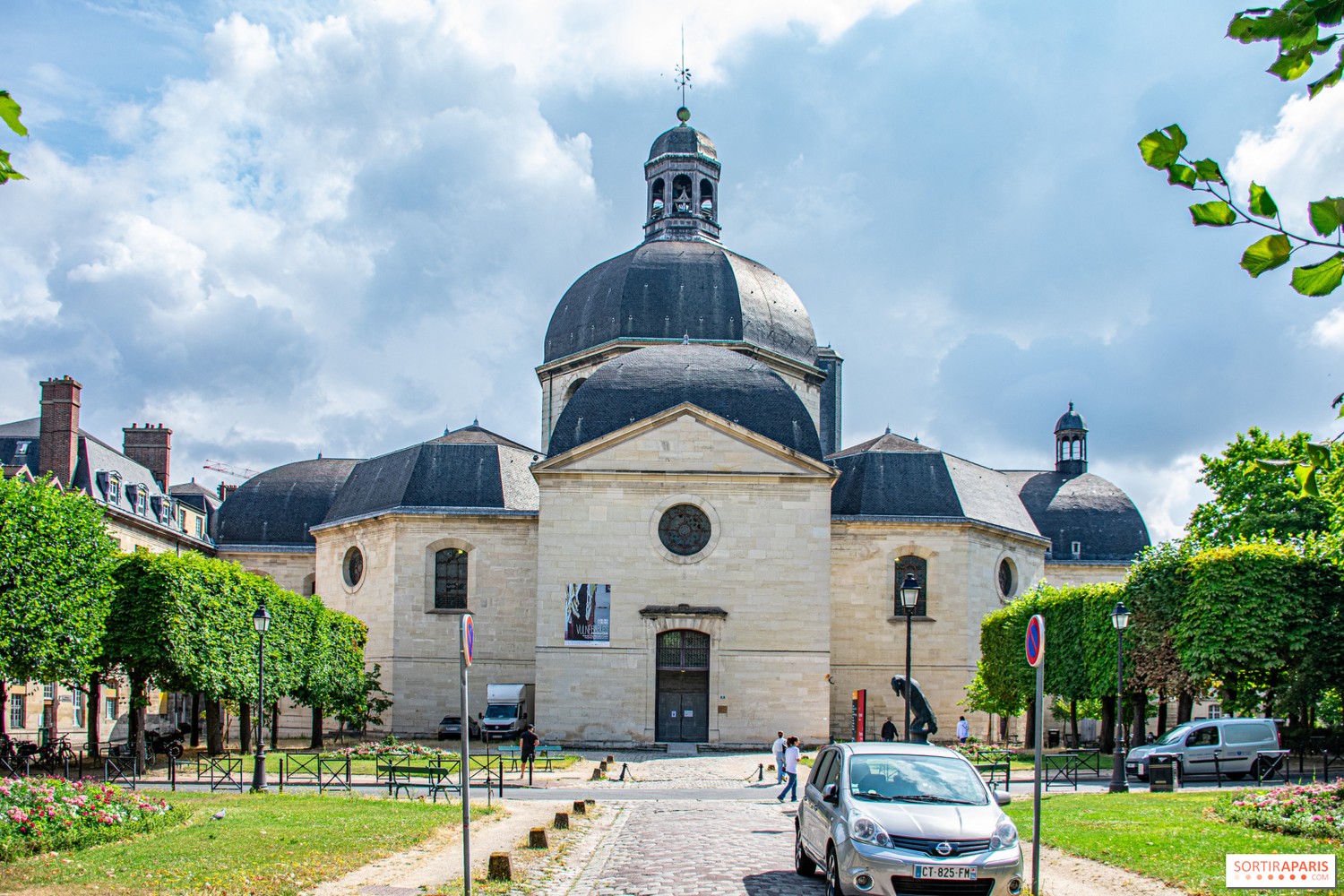
The Chapel of Saint-Louis-de-la-Salpetrière in Paris offers a unique and compelling journey through medical history, architectural beauty, and artistic expression. Originally established as a gunpowder factory in 1656, it was transformed by Louis XIV into a hospice for the poor women of Paris, marking the beginning of its long and fascinating story.
History & Evolution
Initially serving as a refuge for those with learning disabilities, mental illness, or facing poverty, the Salpêtrière evolved over centuries. The late 18th century witnessed groundbreaking humanitarian reforms in psychiatric care initiated by Philippe Pinel, who championed more compassionate treatment methods. His work here is central to the hospital’s legacy—a radical departure from the prevailing custodial practices of the time and a testament to his unwavering belief in human dignity. Revolution brought turbulent times; the September Massacres of 1792 tragically underscored the vulnerability of those housed within its walls, highlighting the complexities of social justice during an era of upheaval. Expansion continued throughout the 19th and 20th centuries as the Salpêtrière solidified its role as a leading medical institution and teaching hospital, adapting to advancements in neuroscience and psychiatry while maintaining its commitment to patient care.
Architectural Highlights
The chapel itself is a stunning example of architectural design, reflecting the grandeur and ambition of its creators. Constructed between 1671 and 1678 under the patronage of Louis XIV, it embodies the Baroque style—characterized by opulent ornamentation, soaring proportions, and dramatic use of light. Visitors can admire the intricate details of the façade, featuring Corinthian columns and a sculpted tympanum depicting Saint Louis IX, patron saint of France. The interior space is dominated by an octagonal dome adorned with gilded mosaics and frescoes, creating a breathtaking visual experience. Light floods through stained glass windows crafted by Marc Chagall in 1964, casting colorful hues upon the altar and enhancing the spiritual atmosphere.
Collection & Artistic Treasures
The chapel’s artistic treasures reside primarily in its sculptural program—a remarkable achievement for its time. Antoine Etex created two monumental sculptures that dominate the space: “Cain struck by the Divine Anger,” portraying Cain's torment after murdering Abel, and “The City of Paris implores God for Mercy for The Victims of Cholera,” commemorating Pinel’s pioneering efforts to reform psychiatric treatment and offering a poignant reflection on compassion and healing. These works exemplify Etex’s mastery of Baroque sculpture—characterized by dynamic poses, expressive drapery, and meticulous craftsmanship. Beyond the sculptures, the chapel houses a collection of paintings dating back to the 18th century, including works by Jean-Baptiste Oudry and François Boucher, reflecting the artistic tastes of the royal court. Notably, Chagall’s stained glass windows represent a significant contribution to modern art history—a bold experiment in color and symbolism that elevates the chapel's spiritual dimension.
Notable Exhibitions & Ongoing Significance
Throughout its history, the Salpêtrière has hosted numerous exhibitions showcasing advancements in psychiatric research and artistic innovation. Recent initiatives have focused on exploring themes of resilience, creativity, and social responsibility—affirming the hospital’s role as a beacon of intellectual curiosity and compassionate care. Furthermore, the chapel serves as a site for contemplative reflection—a reminder of the enduring importance of empathy and understanding in addressing mental health challenges. Its continued presence within Paris's cultural landscape underscores its legacy as a place where art, science, and human compassion converge.
What Makes It Unique?
The Chapel of Saint-Louis-de-la-Salpetrière stands out as a place where medical innovation, artistic expression, and social history intertwine—a microcosm of French intellectual and spiritual life during the Enlightenment. Unlike many religious institutions, it’s not merely a museum; it's a tangible embodiment of transformative ideas about human dignity and mental wellbeing. A visit offers a poignant contemplation on the evolution of healthcare and celebrates the enduring spirit of Paris as a city committed to fostering creativity and compassion.