

A Treasure House on the Avon: The Soul of Bristol
Nestled gracefully alongside the Clifton Suspension Bridge, overlooking the tranquil, winding currents of the Avon River, the Bristol Museum & Art Gallery stands as a profound testament to the city’s enduring fascination with the intersection of art and science. Founded in 1823 under the ambitious mantle of the Bristol Institution for the Advancement of Science and Art, this cultural sanctuary has evolved through the centuries into a comprehensive hub of human achievement. To walk through its doors is to embark on a journey that transcends time, where the whispers of ancient civilizations meet the bold, subversive strokes of contemporary street art. It is a place where history is not merely preserved in glass cases but is actively engaged with, fostering a dynamic dialogue between the legacies of the past and the innovations of the present.
The museum’s collection defies easy categorization, offering a kaleidoscope of artistic styles and cultural influences that cater to the most discerning collectors and curious wanderers alike. Within its hallowed halls, one might find themselves lost in the profound silence of the Egyptian gallery, standing before monumental sarcophagi adorned with intricate hieroglyphs—a tangible, haunting connection to ancient beliefs regarding death and resurrection. This sense of global discovery continues as you encounter the delicate beauty of English Delftware pottery, meticulously crafted by Bristol artisans during the 17th and 18th centuries, showcasing a level of technical skill and aesthetic sensibility that remains breathtaking even by modern standards. For those drawn to the local landscape, the gallery offers a window into the heart of the region through vibrant modern paintings, including works by George Edmund Butler, whose stunning depictions of the Clifton Suspension Bridge capture the atmospheric majesty of the surrounding vistas.
Architectural Grandeur and the Spirit of Innovation
The very architecture of the museum serves as an evocative backdrop to the treasures it houses, embodying the civic pride of the Victorian era. The building’s magnificent Edwardian Baroque façade is a masterclass in structural elegance, characterized by soaring barrel-vaulted glazed roofs that bathe the interior halls in a soft, diffused light. This luminosity creates an atmosphere of both grandeur and quiet contemplation, making the space feel like a cathedral of knowledge. Constructed in 1905 through the generous bequest of Sir William Henry Wills—a titan of Bristol’s industrial golden age—the museum was designed to strike a harmonious balance between the study of natural history and the appreciation of fine art. This architectural masterpiece provides an essential rhythm to the visitor experience, where the light and space are as much a part of the exhibition as the objects themselves.
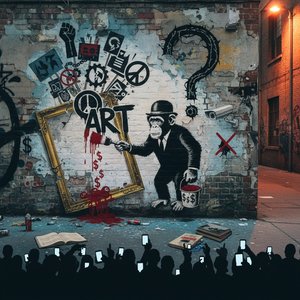
Beyond its permanent collections, the Bristol Museum & Art Gallery has cemented its reputation for boldness through landmark exhibitions that challenge societal norms. Perhaps no event resonated more profoundly than the 2009 exhibition featuring the enigmatic street artist Banksy. By transforming the museum into a platform for social commentary—showcasing over seventy pieces ranging from large-scale murals to thought-provoking installations—the institution proved it could be a site of radical experimentation. This legacy of embracing the unexpected ensures that the museum remains a beacon for innovation, inviting interior designers and art lovers to reconsider the boundaries of creativity and public space. It is this unique blend of historical reverence and contemporary courage that makes the Bristol Museum & Art Gallery an indispensable destination for anyone seeking inspiration.