
The Enduring Vision of Barbara Piasecka Johnson: A Sanctuary for Polish Art
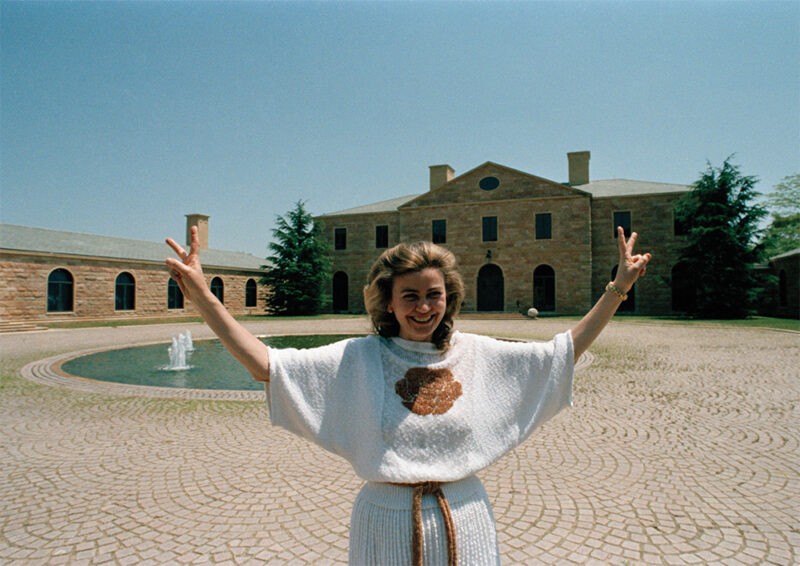
Nestled in the heart of Saratoga Springs, New York, the Kathryn Phillips House stands as a testament to one woman’s extraordinary passion and unwavering commitment – that of Barbara Piasecka Johnson. More than just a museum, it's a vibrant portal into the world of Polish art and culture, meticulously assembled by Mrs. Johnson over decades with a singular focus: to celebrate the legacy of her late husband, Stefan Jaracz, a Polish diplomat and artist, and to foster a deeper understanding of Poland’s rich artistic heritage. The building itself, a stunning example of early 20th-century American architecture, provides an immediate sense of grandeur and historical context, immediately drawing visitors into the story of its transformation.
The Kathryn Phillips House began as a grand estate built in 1907 for William H. Miner, a prominent businessman and philanthropist. Its imposing façade, featuring intricate stonework and soaring chimneys, speaks to the era’s fascination with Beaux-Arts design. However, it was Stefan Jaracz who truly breathed new life into the property, transforming it into a private residence reflecting his deep connection to Poland. Following his death in 1970, Mrs. Johnson embarked on an ambitious project – one that would ultimately become her life's work: to preserve and expand upon his collection of Polish art and artifacts, creating a space dedicated to sharing this cultural treasure with the world. This wasn’t merely collecting; it was a deliberate act of preservation against the backdrop of Poland’s turbulent history, a quiet rebellion against erasure.
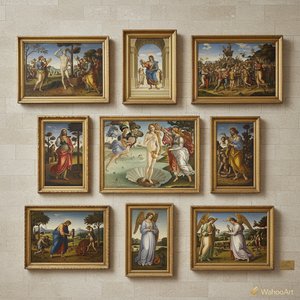
A Treasure Trove of Polish Artistic Voices- Early Polish Masters: The museum's core collection is anchored by works from the 18th and 19th centuries, showcasing the evolution of Polish painting. You’ll find captivating portraits by Jan Matejko, a pivotal figure in Romantic art who meticulously documented key moments in Polish history through his monumental canvases; alongside the delicate landscapes of Henryk Siemieniowski, known for his evocative depictions of Eastern European life and mythology.
- The Rise of Symbolism and Art Nouveau: A significant portion of the collection delves into the vibrant Symbolist and Art Nouveau movements that flourished in Poland during the late 19th and early 20th centuries. Artists like Józef Mehoffer, with his luminous color palettes and dreamlike imagery, and Władysław Strydom, celebrated for his floral motifs and intricate details, are prominently featured.
- 20th-Century Polish Art: The museum’s holdings extend into the 20th century, offering a glimpse into the artistic responses to Poland's struggles during World War II and the subsequent communist era. Works by artists like Stanisław Witkiewicz, known for his revival of medieval art, and Helena Malinowska, a pioneering figure in Polish modernism, provide a powerful narrative of resilience and creativity.
Beyond paintings, the collection encompasses a remarkable array of decorative arts – intricately carved furniture, exquisite porcelain, period costumes, and antique weaponry—each piece meticulously chosen to illuminate the cultural context surrounding the artwork. The museum’s holdings also include a significant collection of Polish folk art, reflecting the country's deep-rooted traditions and regional diversity. Notably, Mrs. Johnson was particularly dedicated to acquiring works by lesser-known artists, ensuring that a broader spectrum of Polish artistic talent is represented.
Architectural Harmony and Interior Design
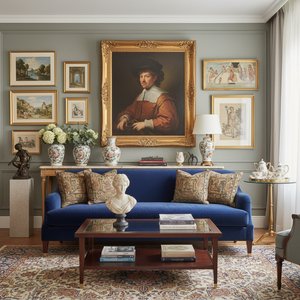
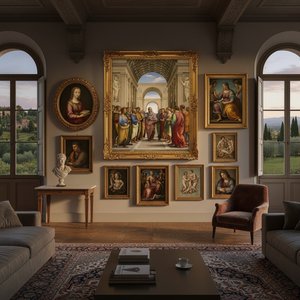
The transformation of the Kathryn Phillips House into a museum is a remarkable feat of architectural preservation and interior design. Mrs. Johnson’s vision was to create an environment that seamlessly integrated the original building's grandeur with the collection’s artistic treasures. The interiors are a testament to her discerning eye, blending period furnishings with carefully curated decorative elements. Original details—stained-glass windows, ornate plasterwork, and hand-painted murals—have been meticulously restored, creating a cohesive and immersive experience for visitors. The flow of the rooms is deliberate, guiding viewers through the collection in a way that highlights both individual artworks and their interconnectedness within the broader narrative of Polish art.
A Legacy of Patronage and Cultural Exchange
Since its opening in 1987, the Kathryn Phillips House has hosted numerous notable exhibitions, including retrospectives of prominent Polish artists and thematic displays exploring specific periods or movements within Polish art history. The museum’s commitment to cultural exchange is evident through its ongoing collaborations with Polish institutions and organizations, fostering a vibrant dialogue between American and Polish audiences. Mrs. Johnson's dedication extended beyond the walls of the museum; she actively supported Polish artists and cultural initiatives throughout her life, leaving an enduring legacy as a champion of Polish art and culture.
Visiting the Kathryn Phillips House
Today, the Kathryn Phillips House welcomes visitors with open arms, offering a unique opportunity to immerse oneself in the beauty and richness of Polish artistic heritage. The museum’s knowledgeable staff is dedicated to providing insightful tours and educational programs, enriching the visitor experience. For those seeking a deeper understanding of Mrs. Johnson's remarkable story and her profound impact on the world of art, a visit to this Saratoga Springs sanctuary is an absolute must. Wizyta w Domu Kathryn Phillips jest niezapomnianym doświadczeniem!